
Blooming
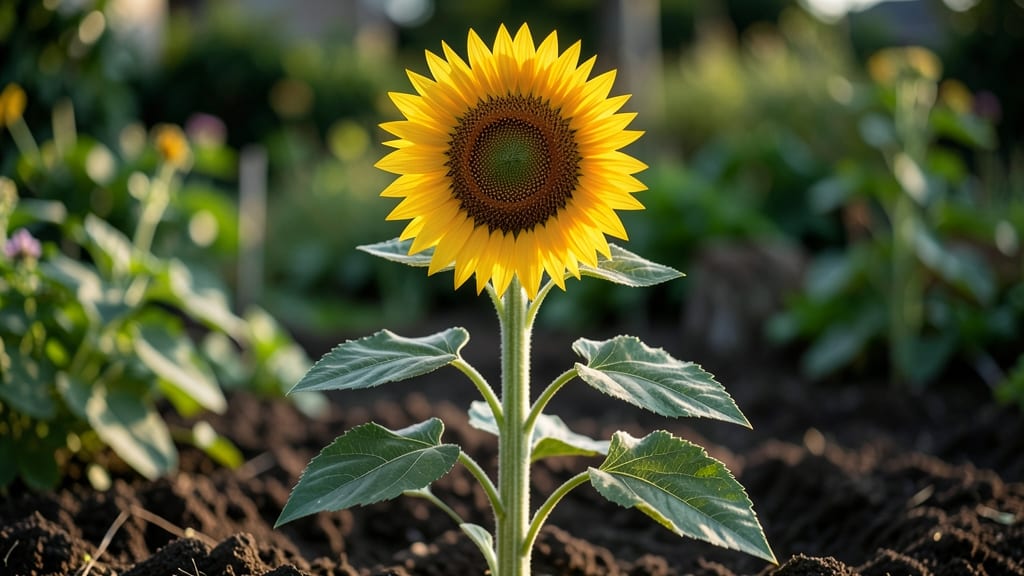
If you've ever planted sunflowers 🌻 and eagerly waited for those golden blooms to appear, you know timing is everything. The sunflower bloom time can vary dramatically—some varieties pop up in as little as 60 days, while others take nearly four months to reach their full glory.
Understanding these differences isn't just about patience; it's about planning your garden for maximum impact. Whether you're dreaming of towering Russian Giants or compact dwarf varieties, knowing when to expect those vibrant faces lets you time your plantings perfectly for summer displays or seed harvests.
But here's the catch: bloom time depends on more than just the variety. Soil quality, sunlight exposure, and even your local climate play huge roles.
I'll break down exactly how to give your sunflowers the best shot at blooming on schedule—plus, which months to watch for those first buds to appear.
Ready to turn your garden into a sunflower spectacle? Let's dive into the month-by-month growth stages and discover how to speed up those blooms so you can enjoy them sooner.
Sunflower bloom time by variety: fastest to slowest growing types
If you're planning your summer garden, knowing which sunflower varieties bloom fastest can make all the difference. Some varieties like 'Teddy Bear' reach their cheerful faces in just 55 days, while giants like 'Russian Giant' take nearly 120 days to fully mature.
This dramatic difference helps you choose sunflowers that fit your timeline—whether you want quick color or towering summer displays.
Sunflower bloom time varies based on genetics, soil conditions, and climate, but the variety is the biggest factor. Dwarf types often bloom earlier than their towering cousins, making them perfect for containers or small gardens.
Meanwhile, giant varieties need more time to develop their impressive height and seed heads. Let’s break down the fastest and slowest bloomers to help you plan.
Below is a comparison of popular sunflower varieties, ranked from fastest to slowest bloom time, including their mature heights and ideal growing conditions. This will help you visualize which types will thrive in your garden and when you can expect those iconic yellow blooms to appear.
For gardeners eager for instant gratification, 'Sunspot' and 'Teddy Bear' are unbeatable choices, blooming in as little as 50 days. These dwarf varieties are perfect for adding quick color to your garden or even growing in containers on patios.
Their compact size also makes them ideal for small spaces or urban gardens where height isn’t a concern.
If you're aiming for a dramatic summer display, mid-size varieties like 'Autumn Beauty' strike a balance. They bloom in 65-70 days and reach heights of 3-5 feet, making them versatile for both cut flowers and garden borders.
Their vibrant, multi-colored petals also attract pollinators, adding an extra layer of garden activity.
Giant sunflowers like 'Russian Giant' and 'Mammoth' require patience but deliver stunning results. These varieties take nearly 120 days to bloom, but their towering heights of 10-16 feet create a breathtaking focal point in any landscape.
They’re also excellent for harvesting seeds, which can be saved for next year’s garden or used in bird feeders.
When planning your sunflower garden, consider your planting timeline and garden layout. For example, planting a mix of dwarf and giant varieties ensures a gradual progression of blooms throughout the summer.
Start with the fastest varieties in early spring, followed by mid-size types, and save the giants for late spring to avoid overcrowding.
Another pro
Month-by-month sunflower growth stages: what to expect each season
Sunflowers grow at an astonishing pace, transforming from tiny seeds into towering giants in just a few months. Their development follows predictable stages, each marked by distinct changes in height, leaf structure, and flower formation.
Understanding these month-by-month milestones lets you anticipate when those golden blooms will appear and troubleshoot any delays.
From the first cotyledon leaves to the fully opened sunflower head, each phase depends on factors like temperature, sunlight, and soil nutrients.
In my garden, I've seen dwarf varieties bloom in as little as 60 days, while giant sunflowers take nearly 120 days to reach their full glory. Let's break down what to expect each month.
🌱 Sunflower Growth Timeline
- Month 1: Germination to 4-inch seedlings with 4-6 true leaves. Focus on consistent moisture and full sun exposure.
- Month 2: Rapid stem growth (1-2 feet tall) and bud formation. Thin seedlings to 12-18 inches apart for optimal airflow.
- Month 3: Flower head emergence (green buds visible). Reduce watering slightly to encourage blooming instead of leafy growth.
- Month 4: Full bloom (yellow petals open) to seed maturation (brown center disk). Harvest seeds when back of head turns brown.
In April, when I plant my sunflower seeds after the last frost, the first cotyledon leaves emerge within 7-14 days. These initial leaves are thick and spoon-shaped, providing energy for the young plant.
By late May, my seedlings should reach 4-6 inches tall with 4-6 true leaves—this is when I start fertilizing lightly to support stem elongation.
June marks the most dramatic growth phase, where sunflowers can add 2-3 feet in height per week under ideal conditions. During this time, I watch closely for bud formation—small green bumps appear where the flower head will develop.
This is also when I begin spacing plants properly to prevent disease spread from crowded foliage.
By July, the real magic happens as flower buds swell and petals begin to unfurl. In my experience, dwarf varieties like 'Teddy Bear' bloom first, followed by mid-size types like 'Moulin Rouge'.
Giant sunflowers like 'Russian Giant' often take until late August to reach their full 12-foot height and bloom.
Once blooming begins, the final stage focuses on seed maturation. After petals wilt and drop, the center disk turns dark brown, and seeds become plump. I harvest these in September for planting next year or for bird feeders.
Proper care during these stages ensures your sunflowers reach their full potential bloom time.
Remember, these timelines are estimates—cooler temperatures or poor soil can delay growth by weeks. But with the right conditions, your sunflowers will reward you with stunning summer color and a bountiful seed harvest! 🌻