
Fertilization
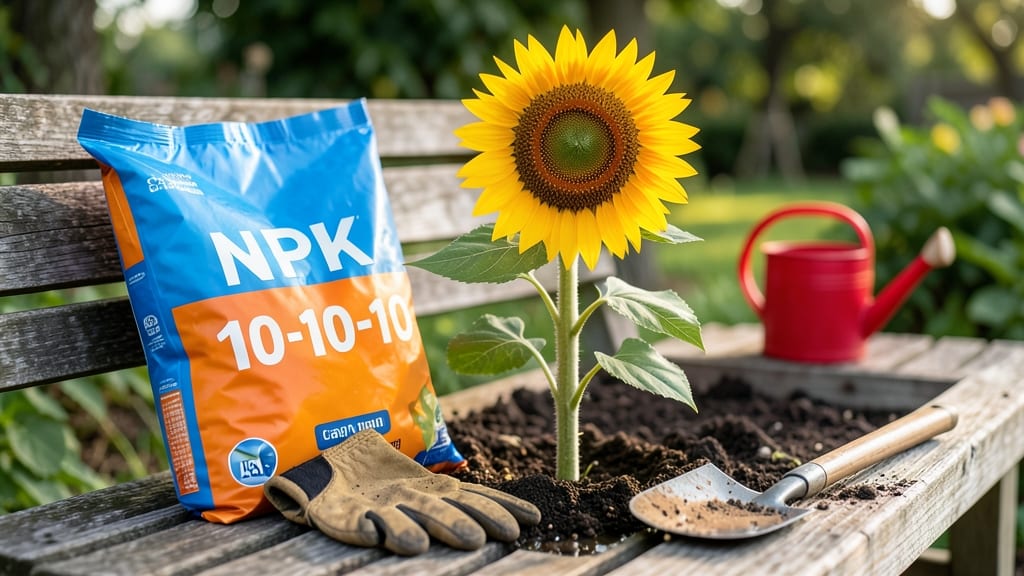
When to apply 10-10-10 fertilizer for maximum sunflower growth
Sunflowers are hungry plants—especially when you're aiming for those 12-foot giants that steal the show in your backyard. The 10-10-10 fertilizer provides that perfect balance of nitrogen, phosphorus, and potassium to fuel every growth stage.
But timing is everything—apply it too early, and you’ll stunt root development; too late, and your blooms will suffer. Let’s break down the exact feeding schedule that works with sunflowers’ natural growth rhythm.
Most gardeners make one critical mistake: they treat sunflowers like tomatoes or peppers, feeding them constantly. Sunflowers are different—they need strategic bursts of nutrients at specific times. The key is understanding their three main growth phases: seedling, vegetative, and flowering.
Each phase demands different nutrition, and 10-10-10 fits perfectly when applied correctly. Let’s dive into the science behind it.
🌱 Did You Know? Sunflowers store nutrients in their stems during the vegetative stage, so over-fertilizing here can lead to weak stems that snap under their own weight. The 10-10-10 ratio is ideal because it supports both leafy growth and root development without overwhelming the plant.
Before you even think about grabbing that 10-10-10 bag, test your soil. Sunflowers thrive in slightly acidic to neutral soil (pH 6.0-7.0).
If your soil is too alkaline, the nutrients in 10-10-10 won’t be as available, and your sunflowers will show signs of nutrient deficiency like yellowing leaves or stunted growth. A simple home soil test kit (around $10) will save you from wasting fertilizer—and your plants from struggling.
Organic gardeners often ask if they can skip the synthetic 10-10-10. The answer? Not entirely. While organic options like composted manure or fish emulsion provide similar nutrients, they lack the precise NPK ratio.
For maximum growth, I recommend using half the 10-10-10 dose and supplementing with compost. This gives you the best of both worlds: the balanced nutrition of synthetic fertilizer and the soil-building benefits of organics.
One of the biggest mistakes I see is over-applying fertilizer during the flowering stage. Sunflowers don’t need extra nitrogen when they’re blooming—they need potassium and phosphorus to develop strong stems and vibrant flowers.
Too much nitrogen here will lead to lush leaves but small, weak blooms. Stick to the 10-10-10 schedule in the table above, and you’ll avoid this common pitfall.
Pro tip: If your sunflowers start showing signs of nutrient burn (brown leaf tips or crispy edges), flush the soil with water immediately. This dilutes the fertilizer concentration and prevents further damage.
Always water your sunflowers before applying fertilizer—this helps the nutrients soak into the soil instead of sitting on the surface where it can harm roots.
For container-grown sunflowers, reduce the 10-10-10 dose by 50%. Pots dry out faster, and excess salts from fertilizer can build up quickly, leading to root damage. Mix a quarter tbsp of 10-10-10 into the top inch of soil at each feeding, and monitor your plants closely for stress signs.
Remember, sunflowers are fast growers, and their needs change weekly. By following this three-stage feeding plan, you’ll give your sunflowers the exact nutrition they need—when they need it—to reach their full potential. Happy growing!
Step-by-step 10-10-10 application guide for sunflowers
Sunflowers thrive with the right 10-10-10 fertilizer schedule, but timing and method make all the difference. Too much too soon causes fertilizer burn, while too little stunts growth. My secret?
Start with a pre-planting boost and follow up precisely during key stages. Let’s break it down step by step to ensure your sunflowers reach their full 12-foot potential.
Before applying, test your soil’s pH—sunflowers prefer 6.0 to 7.0. If your soil is acidic, add lime; if alkaline, mix in sulfur. Well-drained soil is critical, as sunflowers hate soggy roots. Amend heavy clay with compost to improve aeration. This prep work ensures your fertilizer works efficiently, not wasted.
Dry vs. Liquid 10-10-10 Application for Sunflowers
🌱 Dry Application
- Pros: Longer-lasting, less risk of overfeeding
- Cons: Harder to measure precisely, may clump
- Best for: Pre-planting and established plants
- How to apply: Sprinkle 1 tbsp per plant, work into top 2 inches of soil
💧 Liquid Application
- Pros: Faster nutrient uptake, easier to dilute
- Cons: Requires frequent reapplication, risk of burn if overused
- Best for: Foliar sprays and mid-season boosts
- How to apply: Mix 1 tbsp in 1 gallon water, apply to soil (not leaves)
💡 Pro Tip: Always water soil thoroughly before applying liquid fertilizer to prevent burn.
For pre-planting, mix 1 tablespoon of 10-10-10 fertilizer into the planting hole or broadcast it lightly over the bed. Space seeds 6 inches apart in rows 2 feet apart—this spacing prevents competition for nutrients.
Water deeply after applying to help granules dissolve and reach roots. Seedlings need patience: avoid fertilizing until they’re 4-6 inches tall.
Once your sunflowers hit 4-6 inches tall, it’s time for the first mid-season feed. Use liquid 10-10-10 diluted to half-strength (1 tbsp per gallon of water) and apply directly to the soil, not the leaves.
This timing coincides with their rapid vegetative growth phase when they’re soaking up nitrogen for strong stems. Repeat every 4-6 weeks until flowering begins—typically in late summer.
During flowering, switch to a lighter touch. Reduce your dose to half a tablespoon per plant and focus on potassium-rich fertilizers if you notice weak stems.
Overfeeding now can cause blossom drop or attract pests. Always apply in the early morning when temperatures are cooler to minimize stress on the plant.
Watch for signs of fertilizer burn: yellowing leaves, crispy edges, or stunted growth. If this happens, flush the soil with water and hold off on feeding for 2 weeks. Organic alternatives like compost tea or fish emulsion can gently replenish nutrients without the risk of overdoing it.