
Light Requirements
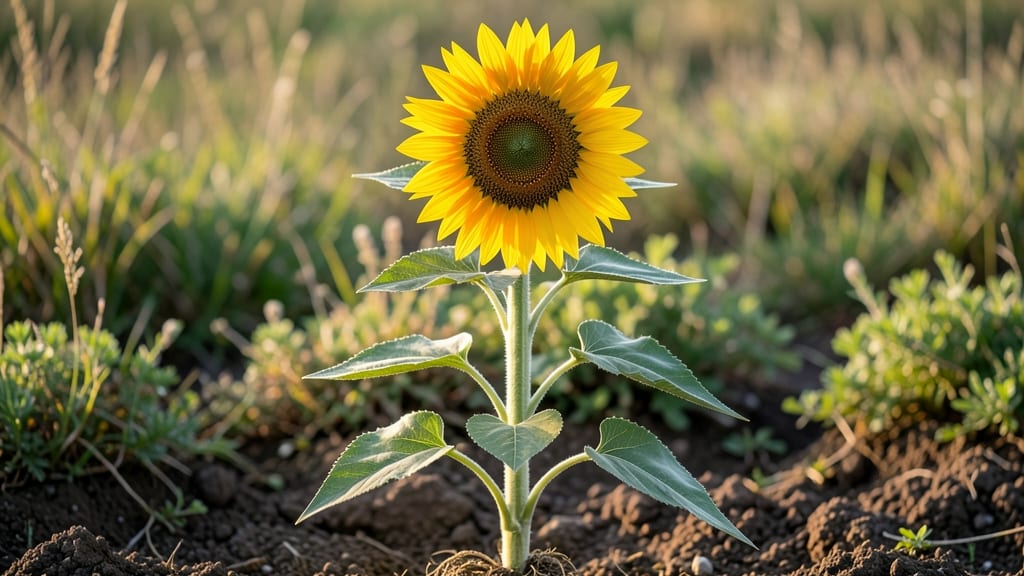
If your 🌻 sunflowers are stretching tall and weak instead of blooming bright, you might be missing the right sunflower light requirements.
These cheerful giants aren’t just named for their sunny faces—they thrive when basking in 6 to 8 hours of direct light daily, or they’ll turn into leggy shadows of their potential.
I’ve watched my own sunflowers go from scraggly stems to towering, vibrant blooms simply by moving them to a sunnier spot. The difference isn’t just aesthetic—it’s about survival. Without enough light, sunflowers skip the flowering stage entirely, leaving you with nothing but disappointment (and extra weeds to pull).
But here’s the good news: adjusting for light is easier than you think. Whether you’re dealing with a shady backyard, a high-rise balcony, or just inconsistent sunshine, I’ll show you how to give your sunflowers the perfect light prescription—no green thumb required.
Let’s dive into the science behind why sunflowers crave light, how to spot when they’re not getting enough, and the simple fixes that’ll have them reaching for the sky in no time.

How many hours of sunlight do sunflowers need for optimal growth?
Sunflowers thrive under the sun like few other plants, but their light requirements are more nuanced than you might think.
While they’re famous for their full-sun love, not all varieties demand the same intensity. Giant sunflowers like 'Russian Giant' need 8+ hours daily, while dwarf types like 'Teddy Bear' can tolerate 4-6 hours in partial shade.
The key lies in understanding how photosynthesis efficiency varies by variety and how to measure sunlight in your garden.
Sunflowers convert sunlight into energy through chlorophyll, but their light spectrum preferences peak at blue (400-500nm) and red (600-700nm) wavelengths. This is why they lean toward the sun (heliotropism) to maximize exposure.
Without enough light, their growth stalls, stems elongate weakly, and blooms fail to develop. Let’s break down the science and practical tips to give your sunflowers the perfect light prescription.
| Sunflower Type | Minimum Sunlight (Hours/Day) | Ideal Sunlight (Hours/Day) | Shade Tolerance | Growth Impact of Low Light |
|---|---|---|---|---|
| Dwarf Varieties (e.g., 'Teddy Bear', 'Moulin Rouge') | 4–6 | 6–8 | Moderate (partial shade OK) | Stunted height, fewer blooms |
| Standard Varieties (e.g., 'Autumn Beauty', 'ProCut') | 6–8 | 8–10 | Low (full sun required) | Leggy stems, weak blooms |
| Giant Varieties (e.g., 'Russian Giant', 'Mammoth') | 8–10 | 10–12 | None (full sun only) | No flowering, extreme stunting |
| All Varieties (Seedlings) | 4–6 | 6+ (after germination) | Critical (etiolation risk) | Elongated, weak stems |
🌱 Note: Sunflowers grown in <6 hours of light may never bloom.
Measuring sunlight in your garden is simpler than you’d think. Use a sunlight tracker or observe your space for a week. Note when shadows fall: a south-facing garden in the U.S. typically gets the most consistent light.
If your sunflowers are in partial shade (e.g., near a fence or tree), they’ll still grow but may produce smaller blooms or no flowers at all.
For container-grown sunflowers, place pots in the sunniest spot available, even if it’s just a balcony. Rotate pots daily to ensure even light exposure—sunflowers naturally follow the sun, so mimicking this helps.
In cloudy climates, supplement with a grow light (LED full-spectrum bulbs work best) for 12–14 hours daily during early growth stages.
The consequences of insufficient light are dramatic. Sunflowers deprived of light develop etiolation: stems stretch painfully thin, leaves turn pale, and buds fail to open. Worse, the plant diverts energy to survival instead of flowering.
In extreme cases, you’ll end up with a 6-foot-tall stick with no blooms—hardly the cheerful giant you planted!
Pro tip: If your garden has morning sun only, choose early-maturing varieties like 'Early Bird' (harvests in <50 days). These finish blooming before afternoon shade sets in. For afternoon shade, opt for dwarf types—they’re more forgiving and still produce vibrant blooms, even if not as large.
To test your garden’s sunlight, use a DIY sunlight map: Place a white board where you plan to plant and mark shadow patterns every hour for a day. Aim for 6+ hours of unobstructed sun for standard varieties.
If your space falls short, consider reflective surfaces (like white walls or mirrors) to bounce extra light onto your plants.
Remember, sunflowers aren’t just about height—they’re about vibrant blooms. The more
Signs your sunflowers aren’t getting enough light (and how to Fix it)
Your sunflowers might be silently screaming for help if they’re stretching toward the sky like leggy teenagers instead of standing tall and proud. When these plants don’t get their 6-8 hours of direct sunlight, they’ll show you clear signs—starting with weak stems and ending with zero blooms.
I’ve seen this happen in my own garden when I moved a batch of sunflowers under a partial shade tree by mistake.
The first red flag is thin, elongated stems that sway dramatically in the breeze. These "spaghetti stems" are a classic sign your sunflowers are reaching for light they can’t find. You’ll also notice small, sparse leaves clustered near the top, while the lower stems remain bare.
Worst of all? No flower buds will form, leaving you with nothing but disappointment when summer arrives.
⚠️ callout warning
- Stop flowering entirely
- Develop weak, brittle stems (prone to snapping)
- Grow slowly or not at all
If you’re dealing with seasonal shade (like early spring or late fall), your sunflowers might still struggle. In these cases, I recommend companion planting with taller, shade-tolerant plants like corn or beans to break up wind and reflect light downward.
For containers, rotate them quarter-turns daily to ensure even light exposure on all sides.
For indoor growers or those with limited outdoor space, LED grow lights are a game-changer. Place them 6-12 inches above your sunflowers and run them for 12-16 hours daily to mimic summer sunlight.
I’ve had great success with full-spectrum LED bulbs that cover the blue and red light spectrums, which sunflowers crave for photosynthesis.
Don’t forget to adjust for your climate. In northern latitudes, sunlight is weaker in spring and fall, so you may need to extend grow light use or choose shade-tolerant varieties like 'Teddy Bear' sunflowers.
Meanwhile, in southern climates, afternoon shade can actually help prevent heat stress—just ensure they still get morning sun.
Start with these three quick fixes today: relocate your sunflowers to the sunniest spot in your yard, add a reflective surface (like white gravel) nearby to bounce extra light, and thin out nearby plants that might be stealing sunlight.
Your sunflowers will thank you with bold blooms and strong stems in no time! 🌻