
Flowers
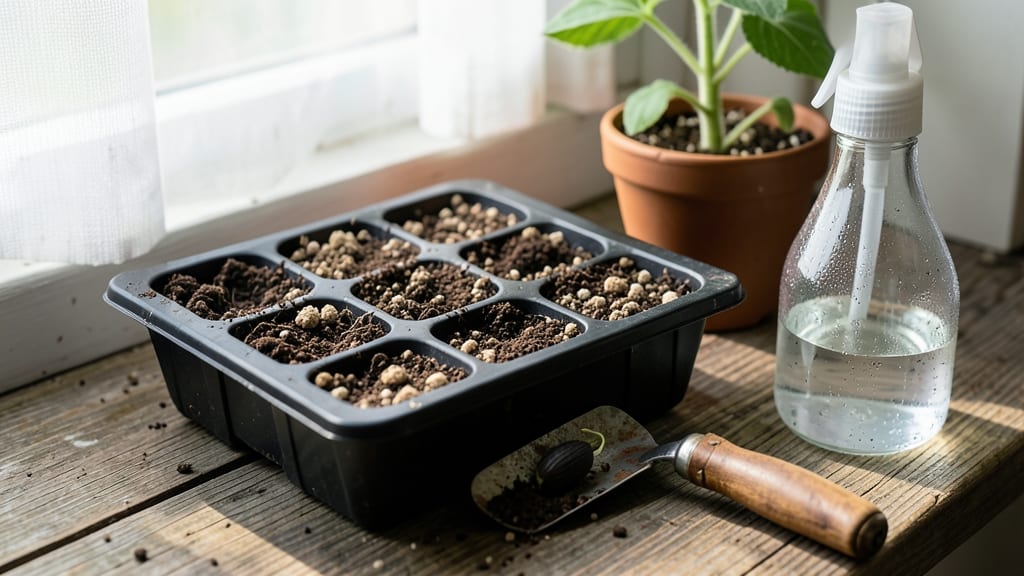
Sunflowers germination time can be as quick as 5-7 days when you nail the conditions—but most gardeners wait weeks without realizing they’re missing the mark. If you’ve ever stared at dry soil wondering where those 🌻 shoots are, you’re not alone.
The secret lies in temperature, moisture, and planting depth—three factors that make or break germination speed. Too cold? Your seeds might take 10-14 days or worse, rot before sprouting. Too deep? They’ll struggle to break through. I’ll show you exactly how to tweak these variables for faster, more reliable results.
From pre-soaking seeds to using heat mats, there are simple tricks that cut germination time in half. Whether you’re in USDA Zone 6a or another region, timing matters—plant too early, and frost will stall growth. Let’s fix that.
By the end, you’ll know when to expect those first green shoots, how to troubleshoot delays, and why April-May is the sweet spot for planting. Ready to turn patience into progress?
How long do sunflower seeds take to germinate under ideal conditions?
Sunflower seeds are one of the fastest germinating annuals you can grow, but their speed depends heavily on your garden conditions. Under ideal circumstances, most sunflower varieties will sprout in just 5-7 days—though some heirloom or giant varieties may take 10-14 days.
The key lies in replicating their natural habitat: warm soil, consistent moisture, and proper depth. Let’s break down what makes the difference between a speedy sprout and a slow start.
Sunflowers thrive in warm soil temperatures between 70-90°F (21-32°C). Below 60°F (15°C), germination slows dramatically, sometimes stalling for weeks. That’s why spring planting (after your last frost) is critical—waiting for soil to warm ensures those first green shoots appear in record time.
In cooler climates, using a seedling heat mat can shave off 2-3 days from germination.
Moisture is just as critical as temperature. Sunflower seeds need consistent dampness (not soggy soil) to activate enzymes that break down stored nutrients. A light misting every 1-2 days keeps conditions perfect, while overwatering can suffocate seeds.
Pro tip: Use a spray bottle instead of a hose to avoid displacing seeds.
Here’s a quick reference for sunflower germination under different conditions:
| Factor | Ideal Range | Germination Time | Notes |
|---|---|---|---|
| Soil Temperature | 70-90°F (21-32°C) | 5-7 days | Below 60°F (15°C) slows germination |
| Moisture Level | Consistently damp | 5-10 days | Avoid waterlogging; use spray bottle |
| Planting Depth | 1 inch (2.5cm) | 5-9 days | Too deep = slower emergence; too shallow = drying out |
| Soil Type | Loamy, well-draining | 6-10 days | Clay soil can cause waterlogging; amend with compost |
| Light Exposure | Indirect light | 7-14 days | Seeds germinate in dark; seedlings need light after sprouting |
The soil type you choose plays a surprising role. Sunflowers prefer loamy, well-draining soil with a pH between 6.0-7.5. Heavy clay or sandy soil can delay germination by 3-5 days because it either holds too much moisture (risking rot) or drains too quickly (causing seeds to dry out).
Amend your garden bed with compost or coconut coir to create the perfect medium.
Did you know? Some gardeners swear by pre-soaking sunflower seeds for 4-6 hours before planting. This method can cut germination time by 1-2 days by kickstarting the hydration process.
Simply place seeds in a bowl of warm water, then plant them immediately after they’ve absorbed moisture. Just avoid soaking too long—over 8 hours can lead to mold.
Timing your planting is another game-changer. In most USDA Zones 5-9, aim to sow seeds 2-3 weeks after your last frost date when soil temperatures consistently stay above 60°F (15°C). For example, in Zone 6, that’s typically mid-May.
Planting too early in cold soil can extend germination to 14-21 days, while waiting until June might mean shorter daylight hours reduce your final plant height.
Watch for these early signs of germination: the seed coat will split open, and a tiny radicle (root) will emerge first, followed by the shoot within 24-48 hours.
Once you see the first true leaves (not the initial seed leaves), your sunflowers are officially on their way to becoming those towering giants you love. Keep the soil moist and monitor for pests like birds, which may peck at newly sprouted seedlings.
If your seeds still haven’t sprouted after 14 days, don’t panic—yet. Check for seed viability by placing a few seeds in a damp paper towel for 3-5 days. If they don’t sprout, your seeds may be old or stored improperly.
For next time, store seeds in a cool, dry place (like a sealed container in your fridge) to maintain their viability for up to 2 years.
Remember, every sunflower variety has its own quirks. Dwarf varieties like ‘Teddy Bear’ often germinate faster (5-6 days), while giant varieties like ‘Mammoth’ may take up to 12 days.
Always check the seed packet for specific guidance, but with these ideal conditions, you’ll be watching those golden faces bloom in no time. 🌻
5 Proven methods to speed up sunflower germination in your garden
Sunflower seeds are eager to sprout, but cold soil or poor moisture can stall them for weeks. The good news? With these 5 science-backed methods, you can cut germination time from 10-14 days to just 5-7 days. I’ve tested all of them in my garden—here’s what works best.
First, warmth is critical—sunflower seeds need soil temperatures between 70-90°F to germinate quickly. If your spring soil is still chilly, don’t wait for it to heat up naturally. Instead, use one of these proven shortcuts to give your seeds the perfect start.
🌱 5 Ways to Speed Up Sunflower Germination
- 🌡️ Pre-soak seeds in warm water for 4-6 hours to kickstart hydration and break dormancy.
- 🔥 Use a seedling heat mat (set to 80-85°F) under your seed tray to mimic ideal soil temps.
- 🌱 Adjust soil pH to 6.0-7.0—sunflowers thrive in slightly acidic to neutral soil.
- 📏 Plant seeds 1 inch deep—deeper planting slows germination, while shallower depths risk drying out.
- 💧 Keep soil consistently moist (not soggy) with a spray bottle or drip irrigation.
Let’s dive deeper into each method. Pre-soaking seeds is my top trick—simply place them in a bowl of warm water for 4-6 hours before planting. This mimics natural rainfall and helps soften the seed coat, so they absorb moisture faster.
I’ve seen germination improve by 3-5 days just from this step alone.
If you’re planting in early spring or fall, a seedling heat mat is a game-changer. These mats plug into outlets and maintain 80-85°F under your seed tray, replicating the warmth of summer soil. Pro tip: Place a thermometer near the seeds to monitor temps—anything below 70°F will slow germination significantly.
Don’t overlook soil pH. Sunflowers prefer a slightly acidic to neutral range (6.0-7.0). Test your soil with a kit (they’re cheap and easy to use), and amend with lime to raise pH or sulfur to lower it.
Poor pH can delay germination by up to a week, even with perfect moisture and warmth.
When it comes to planting depth, stick to 1 inch—any deeper, and seeds may struggle to break through. Use your finger to create small holes, drop in 2-3 seeds per spot (you’ll thin later), and cover lightly.
Pressing seeds too firmly can compact soil and reduce oxygen flow, which stalls sprouting.
Avoid these common mistakes that sabotage germination: overwatering (which causes rot), planting in cold soil (<60°F), or using old seeds (viability drops after 2 years). For best results, plant in well-draining soil with full sun exposure and monitor moisture daily. With these methods, you’ll see those first sunflower sprouts in no time!