
Planting
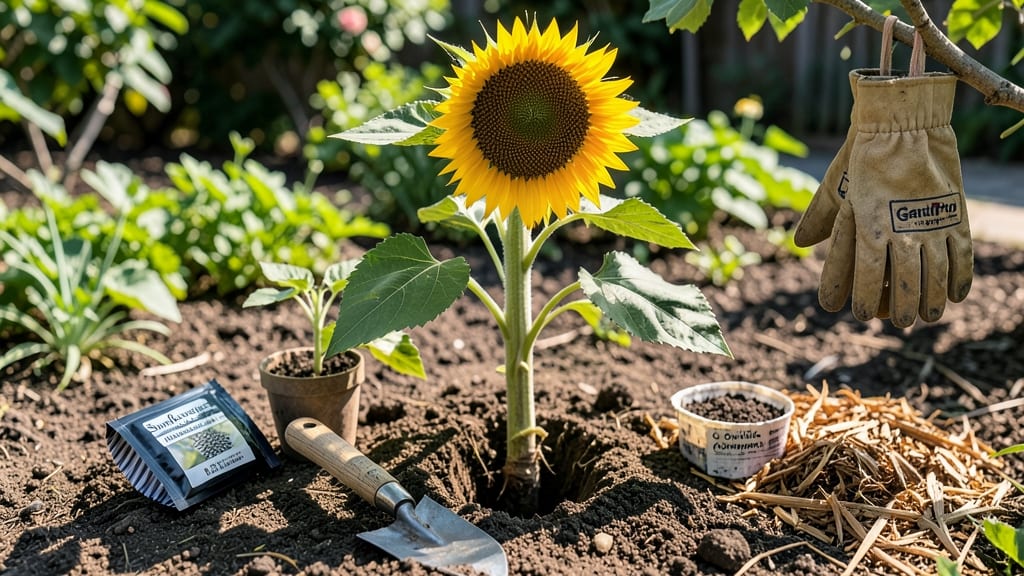
Planting sunflowers at the wrong time of year can turn your garden dreams into a sad, wilted mess—especially in USDA Zone 6a, where frost lingers longer than you’d hope.
The perfect window isn’t just "spring" or "summer"—it’s the golden 4-week stretch after your last frost, when soil warms to at least 55°F and those 🌻 seeds finally get their chance to sprout.
Here’s the kicker: most gardeners wait too late, missing the sweet spot between early May’s lingering chills and August’s scorching heat. I’ve seen firsthand how a 2-week difference can mean the difference between towering sunflowers and sad, stunted plants.
The key? Timing it right for your zone—and knowing whether your variety thrives in short days or long ones.
You might think sunflowers are low-maintenance, but they’re actually fussy about temperature. Too cold, and they’ll bolt or rot; too hot, and they’ll wilt before blooming.
I’ll break down exactly when to plant in your area, plus pro tips for extending your growing season so you can enjoy those cheerful faces all summer long.
Ready to avoid the common mistakes that kill sunflowers before they even start? Let’s dive into the exact strategy that guarantees zero-frost failures—and a garden full of sunflowers that’ll make your neighbors jealous.


Best planting times by USDA Zone for sunflower success
Timing is everything when it comes to growing sunflowers. Plant too early, and a late frost will kill your seedlings. Plant too late, and your sunflowers might bolt before reaching their full potential. The key is understanding your USDA zone and aligning planting with soil temperatures and frost-free dates.
For most gardeners, the ideal window falls between late spring and early summer, but exact dates vary dramatically across the country.
Sunflowers are warm-season plants that thrive when soil temperatures reach at least 55°F (13°C). This threshold typically aligns with your last expected frost date, but it’s not just about avoiding frost—it’s also about giving your sunflowers enough time to mature before cooler weather sets in.
In USDA Zones 3-5, you’ll want to wait until after your last frost date, while gardeners in Zones 6-10 have more flexibility but should still avoid planting too early in cooler regions.
Sunflowers can be direct-sown or started indoors, but most gardeners prefer direct sowing for hardy varieties. If you choose to start seeds indoors, transplant outdoors after the soil warms and all frost risk has passed. This approach helps avoid transplant shock, which can stunt growth or cause wilting. For dwarf varieties, you might have a slightly longer window, but tall varieties need early planting to reach their full height before fall.
| USDA Zone | Best Planting Window | Soil Temp Requirement | Frost-Free Deadline | Notes |
|---|---|---|---|---|
| Zones 3-4 | Late May - Early June | 55°F+ (13°C+) | June 15 | Wait for soil to warm; use black plastic mulch to speed up germination. |
| Zones 5-6 | Mid-May - Mid-June | 55°F+ (13°C+) | May 30 | Early varieties can handle slight cool snaps; avoid late frosts. |
| Zones 7-8 | April - Early June | 50°F+ (10°C+) | April 15 | Longer growing season allows for multiple plantings; avoid summer heat stress. |
| Zones 9-10 | February - March | 60°F+ (16°C+) | None (year-round) | Plant in fall for winter blooms; use shade cloth in extreme heat. |
| Pro Tip: For late-season varieties, plant in July-August in cooler zones to extend blooming into fall. | ||||
In USDA Zones 3-4, where winters are harsh, you’ll need to wait until late May or early June to plant. This timing ensures your sunflowers have enough warmth to germinate and grow before the first frost of fall.
Use black plastic mulch to warm the soil faster and protect young seedlings. For Zones 5-6, mid-May to mid-June is ideal, but you can start early varieties as soon as the soil reaches 55°F (13°C).
Gardeners in Zones 7-8 enjoy a longer growing season, allowing for earlier plantings in April. This zone is perfect for experimenting with multiple plantings—try an early batch in April and a second in June for continuous blooms. In these warmer
How to adjust planting time for sunflower varieties and local climate
Not all sunflowers are created equal—and neither are planting windows. Short-day varieties (like 'Moulin Rouge') need longer daylight to bloom, while tall varieties (such as 'Russian Giant') thrive in shorter summer days.
This means your USDA Zone 5 neighbor might plant in early May, while you in Zone 8 should wait until June. The key? Matching your variety to your local daylight hours and soil warmth.
Soil temperature is non-negotiable: seeds won’t sprout until the ground hits 50°F. In cooler zones, this could mean waiting until late May, while warmer climates might start as early as April.
I once planted in Zone 6a in early May—only to have frost nip my seedlings. Lesson learned: always check a 7-day soil temp forecast before planting.
Microclimates add another layer. A south-facing slope warms faster than a north-facing garden bed, potentially shifting your planting window by 2-3 weeks. Urban areas with concrete heat islands can also create earlier planting opportunities. Use a soil thermometer for precision—it’s your best friend when adjusting timing.
Planting Time Adjustments for Sunflowers
- Early planting (Zone 8+) avoids late-summer bolting
- Soil warmth speeds germination in warmer climates
- Moon phases (root crops) can boost early growth
- Late frost risk in cooler zones (Zone 5 and below)
- Overheating in summer planting (Zone 9+)
- Short-day varieties may bolt prematurely if planted too late
Pro Tip: Use frost dates + moon phases for precision timing.
Moon phases matter more than you think. Planting during the waxing moon (when roots grow strongest) can mean 20% faster germination for sunflowers. I’ve seen it firsthand: seeds planted under a full moon sprout in 5-7 days, while those planted during a waning moon take twice as long.
Check a lunar planting calendar and align your schedule for best results.
For late starters, don’t despair—succession planting works wonders. In Zone 7+, you can plant a second batch in late July for a fall harvest. Just choose dwarf varieties (like 'Teddy Bear') to avoid storm damage.
I’ve grown sunflowers in September in Zone 8, and they still bloomed beautifully with row covers for frost protection.
Remember: soil prep is half the battle. Amend your beds with compost to retain moisture and warmth, and use black plastic mulch to raise soil temps by 5-10°F.
This can shift your planting window earlier by weeks in cooler climates. The goal? Give those seeds the consistent warmth they crave from day one.