
Blooming
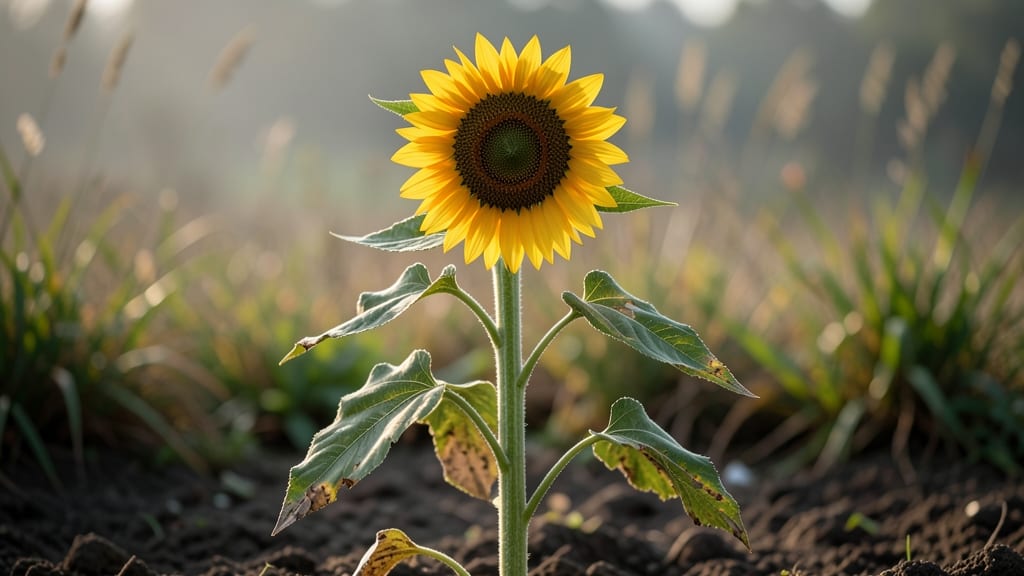
If you’ve ever wondered what time of year do sunflowers bloom, you’re not alone—their timing can feel like a mystery, shifting from a golden summer spectacle to a quiet patch of green stems in just a few weeks.
The truth is, sunflowers don’t bloom on a strict calendar; instead, they follow a delicate dance with your local climate, the variety you planted, and even the soil temperature.
For most gardeners in USDA Zone 6a, those golden faces typically appear between July and October, but timing can shift dramatically depending on whether you're growing a towering Mammoth variety or a compact Teddy Bear type.
The key to maximizing your blooms lies in understanding these factors—and I'll show you exactly how to predict and even influence your sunflowers' bloom schedule.
Planting too early or too late can leave you staring at green stems instead of vibrant blooms. What if I told you that with just a few adjustments—like choosing the right planting window or adjusting your care routine—you could stretch your sunflower season by weeks?
Let's break down the science behind their bloom times and how you can work with nature to get the most stunning display possible.
Whether you're planning a summer garden for pollinators or saving seeds for next year, knowing when to expect those cheerful faces makes all the difference.
By the end of this guide, you'll have a clear timeline tailored to your zone and variety, plus pro tips to ensure your sunflowers put on their best show all season long.
Sunflower bloom times by variety: when to expect flowers based on type
Sunflowers are nature's golden showstoppers, but their bloom times can vary dramatically depending on the variety. Whether you're growing towering giants like 'Mammoth' or compact dwarfs like 'Teddy Bear', timing matters.
Most sunflowers bloom between late summer and early fall, but some varieties defy expectations with early or extended displays.
Understanding these bloom windows helps you plan your garden for maximum impact. Early varieties might start as soon as June in warm climates, while late-season types could still be flowering in October in cooler regions.
The key is matching the right variety to your local frost dates and desired bloom period.
Annual sunflowers dominate most gardens, offering the widest range of bloom times. Perennial varieties are rarer but provide multi-year displays. Even dwarf sunflowers follow predictable patterns, just on a smaller scale. Let's break down exactly when to expect those iconic golden faces by popular types.
| Variety Type | Common Names | Bloom Window | Height Range | Key Notes |
|---|---|---|---|---|
| Early Annual | 'Teddy Bear', 'Moulin Rouge' | June–July | 1–3 ft | Compact, great for containers |
| Mid-Season Annual | 'Moulin Rouge', 'Autumn Beauty' | July–August | 3–6 ft | Classic cut flowers |
| Late Annual | 'Mammoth', 'Russian Giant' | August–September | 8–14 ft | Tallest varieties, need staking |
| Perennial | 'Helianthus debilis' | July–October (multi-year) | 1–4 ft | Drought-tolerant, self-seeds |
| Dwarf Annual | 'Sunspot', 'Little Becka' | July–September | 1–2 ft | Perfect for borders, pots |
The 'Teddy Bear' variety is a crowd-pleaser for early blooms, often starting in June and lasting through July. Its 1–3 foot height makes it ideal for small gardens or container growing.
If you're aiming for a summer-long display, mix early varieties like 'Teddy Bear' with mid-season types like 'Autumn Beauty' for continuous color.
For those towering sunflowers that make a statement, 'Mammoth' and 'Russian Giant' varieties typically bloom between August and September. These giants can reach 10–14 feet tall, so plan their placement carefully to avoid shading smaller plants. Their late-season blooms also make them perfect for fall harvests and seed saving.
Perennial sunflowers like 'Helianthus debilis' offer a unique advantage—they return year after year. While their July–October bloom window overlaps with annuals, their drought tolerance and self-seeding habits make them low-maintenance stars. They're especially valuable in xeric landscapes where water conservation is key.
Dwarf varieties like 'Sunspot' provide the same cheerful faces without the height. Their July–September bloom time aligns with mid-season annuals but with the added benefit of border-friendly proportions. These are perfect for adding color to front-of-bed plantings or container gardens where space is limited.
To maximize your sunflower display, consider succession planting. Start with early varieties in April or May, then follow with mid-season types in May or June, and finish with late bloomers in June or July.
This staggered approach ensures you have continuous blooms from June through October in most climates.
Remember that local climate plays
How climate zones shift sunflower bloom schedules: USDA Zone adjustments
Sunflowers thrive on consistency, but their bloom schedules are anything but uniform across the country.
While most gardeners in USDA Zone 6a enjoy blooms from July to October, those in Zone 3 might see their first flowers as early as June, while Zone 11 gardeners could extend blooms into November.
The key lies in understanding how your local climate zone affects planting windows and frost risks.
Your USDA hardiness zone isn’t just a number—it dictates when to plant, how fast your sunflowers grow, and whether you’ll face early frost threats.
For example, northern zones (3-5) should plant seeds after the last frost (typically May), while southern zones (8-11) can start as early as February for extended blooming seasons. Even a single zone difference can shift bloom times by 4-6 weeks.
| USDA Zone | Planting Window | Typical Bloom Period | Frost Risk Note |
|---|---|---|---|
| 3-5 (Cold) | Mid-May to early June | Late July to early September | High early frost risk after September |
| 6-7 (Temperate) | Late April to May | June to October | Moderate frost risk in October |
| 8-9 (Warm) | February to March | April to November | Minimal frost risk; extended season |
| 10-11 (Hot) | January to February | March to December | No frost risk; year-round potential |
In northern climates (Zones 3-5), the challenge is avoiding early frosts that can cut blooms short. I recommend planting dwarf varieties like 'Teddy Bear' in containers for easier frost protection. These varieties bloom faster (typically 60-70 days) and can be moved indoors if frost threatens.
For standard varieties, aim to plant by June 1st to ensure blooms before the first frost.
Southern gardeners (Zones 8-11) have the advantage of longer growing seasons, but heat can also stress sunflowers. To extend blooms, I suggest succession planting—sow new seeds every 2-3 weeks from February through May.
This staggered approach ensures continuous blooms from April to December. In Zone 11, you can even grow sunflowers as winter annuals, planting in October for spring blooms.
One common mistake is assuming all sunflowers bloom at the same time. Early varieties like 'Early Bird' can flower in as few as 50 days, while late varieties like 'Mammoth' may take 120 days.
Adjust your expectations based on your zone: in Zone 5, 'Early Bird' might bloom in July, while 'Mammoth' could wait until September. Always check the days-to-maturity label on seed packets to align with your local frost dates.
Pro tip: Use your last frost date as your planting deadline minus the variety's days-to-maturity. For example, in Zone 7 with a May 15th last frost, plant 'Teddy Bear' (60 days) by March 16th for July blooms.
This simple calculation ensures you catch the full bloom window without rushing or delaying.