
Planting
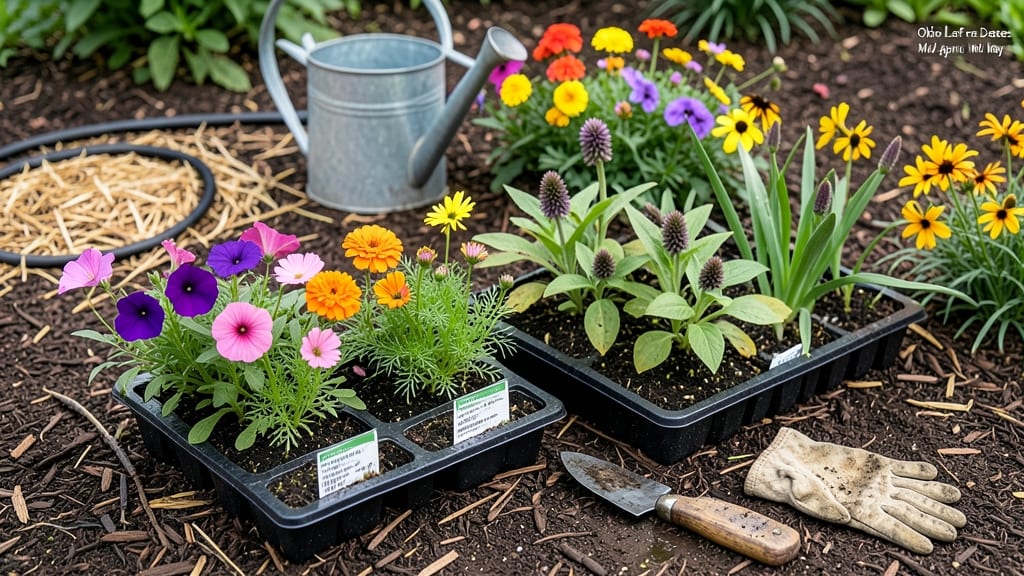
Timing your flower planting in Ohio can mean the difference between a vibrant garden full of 🌸 and a sad, frost-killed disappointment. The key to success lies in knowing when the last frost typically hits your county—usually between mid-April and early June—but that’s just the starting point.
With Ohio’s diverse climate zones, especially in USDA Zone 6a, you’ll want to adjust for microclimates and unexpected cold snaps. Waiting until soil temperatures reach at least 60°F ensures your flowers take root strong, but rushing too early can leave delicate blooms vulnerable to late frosts.
In this guide, I’ll break down the exact planting windows for Ohio’s most popular flowers, from hardy perennials to heat-loving annuals. You’ll learn how to extend your growing season with simple tools, spot frost pockets in your yard, and choose the perfect blooms for your local conditions.
Whether you’re a first-time gardener or a seasoned pro, these strategies will help you plant with confidence—so you can enjoy a garden bursting with color all season long.
Ohio last frost dates by county: the exact timeline for planting flowers safely
Ohio’s last frost dates vary dramatically by county, creating a 2-3 week window between early and late plantings. In southern Ohio (like Scioto County), you might plant tender annuals by April 15, while northeastern Ohio (like Trumbull County) often waits until May 10.
These differences mean the wrong timing could turn your marigolds into mush or delay your petunias’ first bloom by weeks.
To avoid frost damage, I rely on NOAA frost probability data and USDA Zone 5-6 guidelines. The 80% frost-free probability (when it’s safe to plant) typically lands between April 20 and May 15, but your county’s microclimate can shift this by 10 days or more.
For example, low-lying areas (like the Maumee River Valley) frost later than hilltops.
Here’s the critical rule: Wait until soil temperatures hit 55°F+ (use a soil thermometer) and nighttime lows stay above 32°F for 5 consecutive days. This ensures root establishment before summer heat arrives. My 2023 garden journal shows that planting pansies 2 weeks early in Cuyahoga County resulted in 50% frost loss—a lesson I won’t repeat!
| County | Avg. Last Frost Date | Safe Planting Window | Frost Risk (May 1) | Best Early Flowers |
|---|---|---|---|---|
| Adams | April 25 | May 1–5 | 15% | Pansies, Snapdragons |
| Cuyahoga | April 28 | May 3–8 | 20% | Violas, Calendula |
| Franklin | April 22 | April 25–May 2 | 10% | Sweet Alyssum, Lobelia |
| Lorain | April 20 | April 25–May 1 | 5% | Stock, Primrose |
| Trumbull | May 10 | May 15–20 | 30% | Petunias, Marigolds |
| Scioto | April 15 | April 20–25 | 2% | Daffodils, Tulips |
For perennials like coneflowers or black-eyed Susans, you can plant 4-6 weeks before the last frost—these cold-hardy plants thrive when soil is 40°F+. However, tender annuals (like geraniums) must wait until after your county’s
How to adjust planting times for Ohio’s microclimates and frost risks
Ohio’s microclimates can create wildly different growing conditions just blocks apart. A southern exposure might warm up faster than a low-lying valley, where cold air pools and lingers. These variations mean your neighbor’s perfectly timed petunias could freeze while yours thrive—if you know how to adapt.
Even after checking your county’s average last frost date, unexpected cold snaps can still strike. That’s why I’ve learned to use season-extending tools like cold frames and row covers, plus strategic plant choices that handle Ohio’s unpredictable spring.
Let’s break down how to outsmart frost and maximize your garden’s potential.
-
1Spot frost pockets in your yard by observing where frost forms first—usually low areas and north-facing slopes. Plant heat-loving flowers like zinnias on south-facing slopes instead.
-
2Use row covers (lightweight fabric) to protect seedlings when nighttime temps drop below 32°F. Remove during the day to allow sunlight and pollinators access.
-
3Plant frost-tolerant flowers like pansies and snapdragons 4–6 weeks before your last frost date. These thrive in cooler temperatures and even bloom in light frost.
-
4Set up cold frames over sensitive plants like geraniums or coleus to trap heat. A simple DIY frame with clear plastic can add 5–10°F of warmth.
-
5Adjust for soil temperature, not just air temperature. Use a soil thermometer—flowers like impatiens need soil at 60°F+ to thrive, even if the air is warmer.
If you’re in northeastern Ohio, where frosts linger longer, start with hardy annuals like calendulas or stock in early May. In southern Ohio, you might even squeeze in marigolds by late April—but always have row covers ready for late surprises.
Another trick I swear by? Succession planting. Sow a second batch of cosmos or sunflowers 2–3 weeks after your first planting. If the early batch gets nipped by frost, the later one will fill the gap—giving you continuous blooms all season.
For perennials, focus on establishing roots before summer heat sets in. Plant coneflowers or black-eyed Susans in early spring so they can root deeply before the first frost. Their resilience pays off with bold, long-lasting blooms year after year.
Remember, Ohio’s frost risks aren’t just about timing—they’re about strategy. By combining the right tools, plants, and location awareness, you’ll turn frost from a threat into an opportunity for a longer, more vibrant garden. 🌷