
Flowers
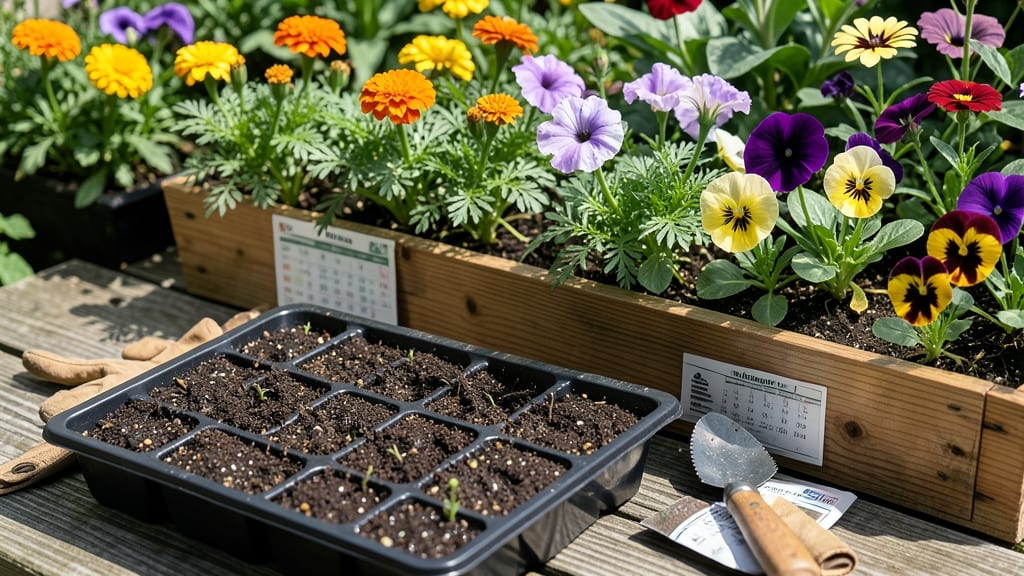
When can you start planting flowers without risking frost damage? Timing your flower planting just right can mean the difference between a vibrant garden bursting with 🌸 and a sad, frost-killed disappointment. The key to success lies in knowing exactly when to start seeds or transplant flowers in your USDA Zone—because planting too early risks frost damage, while waiting too long might rob you of peak blooms.
For gardeners in Zones 5-10, the magic window typically opens in early spring—right after your last frost date—but the exact timing varies dramatically depending on your region.
Whether you're in the chilly Midwest or the warmer South, understanding these nuances ensures your flowers thrive from the moment they hit the soil.
I’ve broken down the most critical planting windows for annuals, perennials, and bulbs, so you can avoid common mistakes and maximize your garden’s potential. From starting seeds indoors to direct sowing outdoors, you’ll learn how to work with your climate—not against it—to create a stunning, long-lasting display.
Ready to transform your garden? Let’s dive into the zero-frost planting calendar that will have your flowers blooming like never before—no guesswork required.


USDA Zone 5-10 flower planting calendar by last frost date
Timing your flower plantings around your last frost date is the secret to vibrant blooms all season. In USDA Zones 5-10, frost timing varies dramatically—from late April in Zone 5 to December in Zone 10—so knowing your exact window ensures zero frost damage to tender plants.
Whether you're planting annuals, perennials, or bulbs, this calendar keeps your garden thriving from spring to fall.
For Zone 5 gardeners, frost typically lingers until mid-May, while Zone 10 enjoys frost-free conditions year-round. The key is to plant cool-season flowers early and heat-loving varieties after all danger of frost has passed.
I’ll break down early, mid, and late-season planting for each zone, plus pro tips to extend your growing season safely.
🌱 Pro Tip: Always check your local last frost date—it can vary by 1-2 weeks even within the same zone. Use the National Weather Service or a local garden center for precise timing.
In Zone 5, where frost can linger until mid-May, I recommend starting cool-season annuals like pansies and snapdragons indoors in March for early blooms. Once the soil warms to 50°F (10°C), transplant them outdoors in late April.
For heat-loving flowers such as marigolds or zinnias, wait until June when nighttime temps stay above 55°F (13°C).
For perennials, like coneflowers or black-eyed Susans, divide and transplant in early spring (Zone 5-7) or early fall (Zone 8-10) to establish roots before winter. Bulbs like tulips and daffodils should be planted 6-8 weeks
How to extend your flower planting season without risking frost
Even after checking your last frost date, you don’t have to wait for the perfect moment to start planting flowers. With the right strategies, you can safely extend your growing season by weeks—or even months—without risking frost damage.
Whether you're in Zone 5 with early frosts or Zone 10 with lingering cool spells, these methods will help you get a head start or push your blooms later into the fall.
Cold frames, row covers, and greenhouse starts are game-changers for gardeners who want to beat the clock. These tools create microclimates that protect tender plants while still allowing sunlight and air circulation.
I’ve used these techniques myself to plant pansies in late winter and marigolds in early October—both thrived without a single frost-related setback.
Another smart approach is selecting heat-tolerant or cold-hardy flower varieties. Some flowers, like cosmos and zinnias, handle heat better than others, while pansies and snapdragons can survive light frosts. Pairing the right plants with protective gear gives you the best of both worlds: extended blooms and frost-free growth.
5 Ways to Extend Your Flower Planting Season
- 1. Use Cold Frames: Enclose seedlings in clear plastic or glass boxes to trap heat. Ideal for early spring starts—plant calendulas 3-4 weeks before last frost.
- 2. Deploy Row Covers: Lightweight fabric shields protect against light frosts (28°F). Perfect for late fall plantings like stocks or sweet alyssum.
- 3. Start Indoors: Begin heat-loving flowers (e.g., geraniums) indoors 8-10 weeks before last frost. Transplant after soil warms to 60°F.
- 4. Choose Frost-Tolerant Varieties: Opt for pansies (survive 20°F) or snapdragons (tolerate 25°F) for early/late plantings.
- 5. Use Mini Greenhouses: Clear plastic domes over pots extend season by 4-6 weeks. Great for petunias or begonias in cooler zones.
If you’re eager to plant annuals in early spring, cold frames are my go-to method. They create a warm, humid environment that mimics summer conditions, allowing seedlings to grow faster and stronger.
For example, I’ve started marigolds in late February under a cold frame in Zone 6 and had them blooming by early May—weeks ahead of traditional planting!
For gardeners in warmer zones (Zones 8-10), the challenge is often late-season heat rather than frost. Here, focus on shade cloth and evening watering to protect delicate flowers like impatiens or coleus from wilting.
Pair these with drought-tolerant varieties like portulaca or lantana to keep your garden thriving through summer’s peak.
Don’t forget: mulching is your secret weapon against temperature swings. A 2-3 inch layer of straw or wood chips insulates soil, keeping roots warm in spring and cool in summer. This simple trick can push your planting window by 1-2 weeks in either direction—no extra tools required!