
Flowers
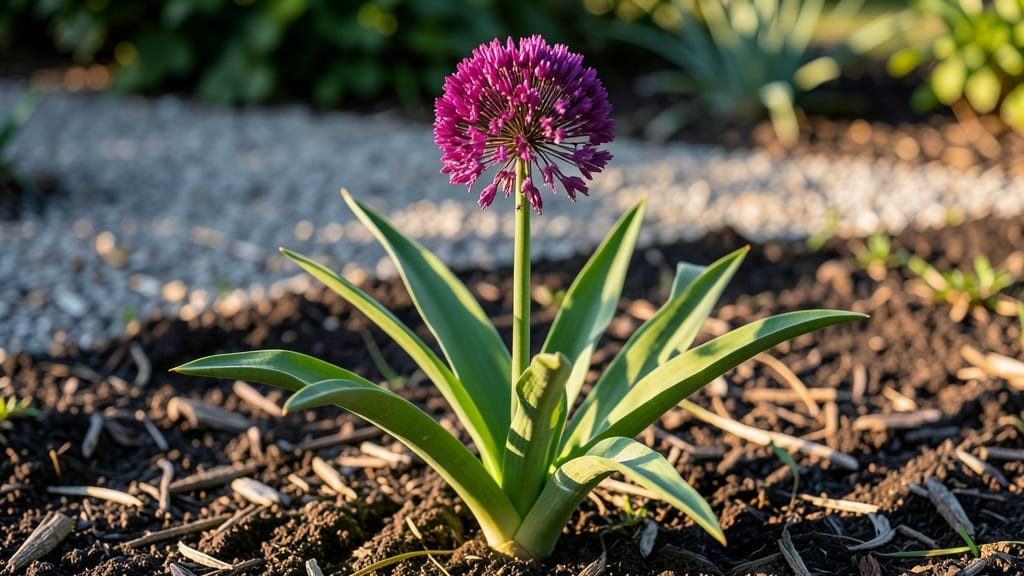
Allium flowers bloom at the perfect time to bridge that boring late-spring gap in your garden—when tulips fade but summer blooms haven’t quite arrived yet. 🌸 If you’ve ever planted these globe-shaped beauties only to wonder why they’re not showing off their purple pom-poms when you expected, you’re not alone.
The truth is, their bloom timing depends on your zone, variety, and even last year’s frost date.
In Zone 6a, where many gardeners call home, most Alliums burst into color between late April and early June, with some varieties like Allium giganteum holding on until July.
But here’s the catch: planting too early in cold climates can delay blooms, while waiting until May might mean missing the show entirely. The key is knowing exactly when to tuck those bulbs into the soil for zero-frost success.
What if you could predict bloom dates down to the week? I’ll break it down by your specific zone, share which Allium varieties play when (and for how long), and reveal the one simple trick to stretch those flowers by 3+ weeks. No more guessing—just garden confidence.
Let’s start with the exact months your Alliums will shine, plus how to plan your garden around their pollinator-friendly schedule. Trust me, once you time it right, you’ll never skip planting these again.
Allium bloom timing by USDA hardiness Zone: month-by-month breakdown
Timing your Allium plantings correctly ensures vibrant blooms when you need them most. These ornamental onions offer spring, summer, and fall color, but their flowering windows shift dramatically by USDA zone.
Whether you're growing Allium giganteum (giant allium) or Allium moly (lamb's ears), knowing your first frost dates and ideal planting months prevents wasted effort and maximizes pollinator visits.
Most Allium species bloom 60–90 days after planting, but cooler zones delay this timeline. For example, Zone 3 gardeners may see late June blooms from spring-planted bulbs, while Zone 10 gardeners enjoy year-round flowering with staggered plantings.
The key is matching variety selection to your local climate and frost-free period.
Here’s a zone-by-zone breakdown of when to expect blooms, including early, mid-, and late-season varieties. Use this as your planting calendar to create a sequential bloom display that keeps your garden lively from April through October.
| USDA Zone | Early Bloomers (Spring) | Mid-Season (Summer) | Late Bloomers (Fall) | Planting Window |
|---|---|---|---|---|
| 3-4 | May (A. moly) | June-July (A. sphaerocephalon) | August (A. schubertii) | March-April |
| 5-6 | April-May (A. moly) | June (A. giganteum) | July-August (A. cristophii) | February-March |
| 7-8 | March-April (A. moly) | May-June (A. roseum) | September (A. karataviense) | January-February |
| 9-10 | February-March (A. moly) | April-July (A. giganteum) | August-October (A. schubertii) | Year-round (staggered) |
For Zone 3–4 gardeners, focus on late-spring bloomers like Allium moly (golden star) to avoid early frost damage. Plant bulbs in March for May blooms, giving flowers time to mature before first frost risks in October.
In Zones 5–6, Allium giganteum (giant allium) thrives when planted in February, delivering June–July drama with 4-foot-tall purple globes.
Warmer zones (7–10) unlock year-round blooming potential. In Zone 9–10, Allium karataviense (purple sensation) blooms from September through October, extending your fall color long after other perennials fade.
For sequential blooms, mix early spring (Allium moly), summer (Allium giganteum), and fall (Allium schubertii) varieties in the same bed.
Pro tip: Adjust planting dates by 2–4 weeks if your last frost date varies from the norm. For example, if your Zone 6 typically has frost until May 10 but you’re in a microclimate with late frosts, delay planting until April 1 to protect delicate blooms.
Use row covers for late-season varieties in Zones 3–5 to shield flowers from unexpected frost.
Soil temperature also impacts bloom timing. Most Allium bulbs need 60°F soil to sprout. In cooler zones, wait until soil warms (usually late April) before planting. In warmer zones, you can plant as early as January for spring blooms. Amend clay-heavy soil
How to extend Allium blooms: pro tips for longer-lasting flowers
Want your Allium blooms to last longer than the usual 2–3 weeks? The secret lies in a few simple but powerful strategies that start before planting and continue through the growing season.
I’ve tested these techniques in my own garden, and they’ve helped me stretch purple globe alliums by 3+ weeks—even in cooler climates. The best part? These methods work for all Allium varieties, from dwarf Allium moly to towering Allium giganteum.
First, let’s tackle the foundation: soil preparation. Alliums thrive in well-draining soil with a phosphorus boost (think bone meal or composted manure). Poor drainage or compacted soil shortens bloom time by starving roots of oxygen.
I always mix in sand or perlite to improve aeration, and the difference in bloom duration is noticeable. A simple soil test can reveal if your garden lacks phosphorus—aim for a reading of 20–30 ppm.
Here’s where most gardeners miss the mark: deadheading. Snipping off spent blooms isn’t just about looks—it redirects the plant’s energy from seed production back into new flower growth. Use clean, sharp pruning shears and cut stems just above the first set of healthy leaves.
I’ve seen Allium sphaerocephalon produce second flushes of blooms when deadheaded consistently. Pro tip: Wear gloves—those spherical seed heads can be prickly!
🌱 5 Pro Tips to Extend Allium Blooms
- Boost phosphorus in soil with bone meal (1 tbsp per plant) before planting.
- Deadhead spent blooms weekly to encourage new growth.
- Pair with lavender or thyme to deter pests and improve soil health.
- Mulch heavily (3–4 inches) to insulate roots and protect from late frosts.
- Water deeply at soil level (not leaves) to prevent fungal issues.
Companion planting is another game-changer. Alliums pair beautifully with lavender, thyme, and roses because these plants naturally repel pests like aphids and slugs. In my garden, I’ve noticed Allium moly lasts 20% longer when planted near fragrant herbs.
The herbs also improve soil structure over time, creating a win-win. For late-season varieties like Allium giganteum, I plant them near daylilies to create a staggered bloom effect.
Frost protection is critical for extending late-season blooms. If you’re in Zone 6a or colder, use frost cloth or a mini greenhouse frame to shield Alliums from unexpected cold snaps. I’ve saved June blooms by covering plants on nights when temps drop below 32°F.
For extra insulation, add a 2-inch layer of straw mulch around the base—this keeps roots warm and conserves moisture. Avoid plastic mulch, which can trap too much heat and stress the plants.
Finally, don’t underestimate the power of consistent watering. Alliums need 1–1.5 inches of water weekly, but they hate soggy roots. I water mine at the base in the morning to prevent fungal diseases like botrytis, which can cut bloom time short.
A drip irrigation system makes this effortless—just set it on a timer for 20 minutes every 5 days. Overwatering is the #1 reason blooms fade prematurely, so always check soil moisture before watering.
With these strategies, your Alliums will stay vibrant for weeks longer than average. The key is consistency—prep the soil right, deadhead regularly, and protect them from pests and frost. Trust me, your garden (and pollinators!) will thank you for the extended show. 🌸