
Blooming
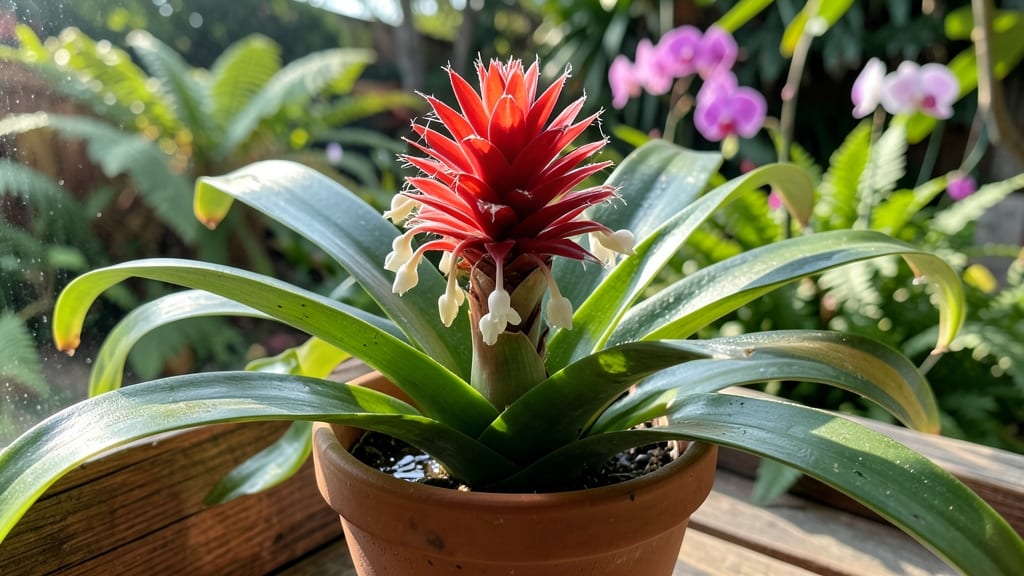
If you’ve ever waited months for your 🌺 bromeliad to burst into color, only to be left wondering when do bromeliads actually flower, you’re not alone. These striking plants follow their own mysterious timeline—but with the right care, you can predict their blooms like clockwork.
The truth is, bromeliad flowering depends on a mix of age, light exposure, and even seasonal triggers. Some varieties bloom in spring, while others surprise you in winter. Understanding these patterns is the key to timing their breathtaking displays perfectly.
In this guide, I’ll break down the exact factors that influence when your bromeliad will flower—from light conditions to temperature shifts—and share proven tips to encourage blooms on your schedule.
Whether you’re growing them indoors or outdoors, you’ll learn how to recognize the signs and even adjust care routines for earlier (or delayed) blooms.
Ready to unlock the secrets behind your bromeliad’s flowering cycle? Let’s dive in and turn those “maybe next year” moments into guaranteed blooms.
Natural seasonal triggers that force bromeliad blooming
Bromeliads are masterful at reading their environment, using subtle seasonal cues to trigger their stunning blooms. Unlike many plants that rely on a single factor, bromeliads respond to a combination of light intensity, temperature shifts, and humidity levels.
These tropical natives evolved to bloom in response to their natural rainy seasons, which means we can mimic these conditions to encourage flowering even in our homes.
The most critical trigger is photoperiod—the length of daylight hours. Most bromeliads need 12-14 hours of light daily to initiate blooming, but some varieties wait for shorter days (like winter) to signal flowering.
This is why your indoor bromeliad might bloom unexpectedly in December—it’s responding to the natural shortening of daylight.
Temperature plays a surprising role too. A 10°F drop in nighttime temperatures can shock your plant into flowering, mimicking the cooler nights before tropical rains. This works best for varieties like Guzmania and Vriesea, which often bloom in response to these seasonal shifts.
Try placing your plant near a cooler window at night for a few weeks to see results.
Humidity is another silent influencer. Bromeliads native to cloud forests (like Aechmea varieties) need 60-80% humidity to trigger blooms. If your home air feels dry, your plant might delay flowering until conditions improve. A simple pebble tray or humidifier near your bromeliad can work wonders for encouraging blooms on schedule.
| Factor | Optimal Condition | How to Mimic Indoors |
|---|---|---|
| Light Exposure | 12-14 hours daily | Use grow lights for 4-6 hours in evenings |
| Temperature Shift | 10°F drop nightly | Move to cooler room (55-60°F) for 2 weeks |
| Humidity Levels | 60-80% | Use pebble trays or humidifiers |
| Day Length | Shortening days (fall/winter) | Cover plant for 2 hours daily to simulate shorter days |
| Watering Pattern | Deep soaks followed by drought | Water thoroughly, then let soil dry 50% |
For outdoor gardeners, the transition between seasons is the most powerful trigger. In USDA Zone 9-11, bromeliads often bloom in late winter or early spring when temperatures stabilize and rainfall increases.
If you're in cooler zones (like Zone 6-8), consider bringing potted bromeliads indoors before the first frost to protect them while they prepare for their blooming cycle.
Age matters too—most bromeliads won’t flower until they’re 2-5 years old, depending on the variety. Younger plants focus their energy on leaf growth, while mature specimens use their stored energy to produce those show-stopping inflorescences.
If your bromeliad isn’t flowering after 3 years, it might simply need more time to mature.
One common misconception is that bromeliads only bloom once in their lifetime. While many varieties do flower just once, some (like Neoregelia) can produce multiple blooms from the same rosette over several years.
The key is to remove spent flower stalks promptly to redirect energy to new growth, which can encourage future blooms.
To create the perfect blooming conditions at home, start by placing your bromeliad near an east-facing window for gentle morning light. Supplement with a grow light if natural light falls short of 12 hours daily.
Then, experiment with slight temperature drops and increased humidity—your plant will thank you with vibrant blooms that last 2-4 months or longer.
Remember, bromeliads are patient plants. They’ve evolved to bloom when conditions are perfect, so don’t rush the process. With the right seasonal triggers, your bromeliad will reward you with its stunning display at just the right moment—whether that’s a holiday surprise or a springtime spectacle.
Flowering timelines for popular bromeliad varieties (with realistic expectations)
Not all bromeliads bloom on the same schedule, and their flowering windows depend heavily on the variety and growing conditions. While some varieties like Aechmea may reward you with vibrant blooms in spring, others like Neoregelia might surprise you in winter.
Understanding these timelines helps you set realistic expectations and adjust care routines to encourage blooms.
One common misconception is that bromeliads are once-in-a-lifetime bloomers. While many varieties do flower just once, some—like Guzmania—can produce offsets that eventually bloom too. The key is recognizing the signs of impending flowering, such as a tightening rosette or a spike emerging from the center.
Outdoor bromeliads typically bloom 6-12 months after planting, depending on the season and maturity. Indoor plants may take longer (1-2 years) due to controlled light and temperature. Below, I’ve outlined the flowering windows for 8 popular varieties, including how to extend their lifespan post-bloom.