
Blooming
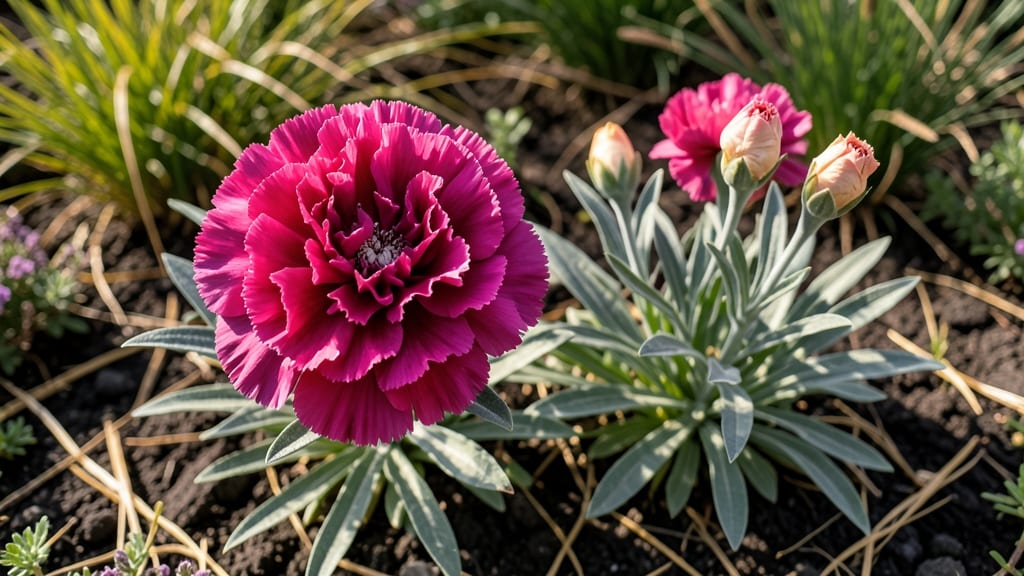
Carnations flower at the most unexpected times—sometimes bursting into bloom just as you think winter’s grip is tightening, or stretching their vibrant petals well into fall when you’ve already packed away your gardening tools.
If you’ve ever planted these 🌸 delicate beauties only to wonder why they’re not following the "rules," the answer lies in their surprising adaptability.
In USDA Zone 6a, where many gardeners call home, carnations typically unfurl their petals between June and October, gracing your garden with color long after spring’s fleeting blooms.
But here’s the twist: some varieties, like the hardy Dianthus barbatus, might surprise you with late-winter blooms, while others—especially the perpetual-flowering types—can keep you in petals from spring right through summer.
What you’ll discover is that climate, variety, and even a little pruning know-how can shift these timelines dramatically. Whether you’re growing carnations for cut flowers or just to brighten your borders, understanding these patterns means you’ll never miss a bloom again.
Let’s break down exactly when to expect those fragrant faces to pop open—and how to coax them into flowering on your schedule.
From the first frost-free days of March or April to the crisp air of October, carnations reward patience with their cheerful displays. The key? Planting at the right time, deadheading spent blooms, and giving them the sunlight they crave. Ready to turn your garden into a year-round carnation show?
Carnation flowering seasons by variety: spring, summer, OR year-round?
Carnations are one of the most versatile flowers in your garden, offering blooms that can appear in spring, summer, or even year-round depending on the variety and your climate.
The key to understanding their flowering seasons lies in recognizing how each type responds to temperature shifts and daylight changes.
For example, Dianthus caryophyllus, the classic carnation, typically blooms in late spring to early fall, while Dianthus barbatus (sweet William) surprises gardeners with late winter to early spring flowers.
If you’ve ever planted carnations expecting summer color only to find sparse blooms, you’re likely dealing with a seasonal mismatch. Some varieties, like spray carnations, produce continuous blooms from June through October, while standard carnations may peak in May and September.
Understanding these patterns helps you plan for staggered planting or container gardening to extend your display.
Here’s a quick reference for the most popular carnation varieties and their typical blooming windows:
Climate plays a huge role in shifting these timelines. In cooler regions (Zones 3–5), carnations like picnic varieties may bloom 2–4 weeks later than their southern counterparts. Meanwhile, in warm climates (Zones 9–10), some varieties like perpetual-flowering carnations can produce blooms year-round with minimal care.
For example, in Zone 10, you might see Dianthus caryophyllus flowering in winter if planted in a sheltered spot.
The length of daylight also triggers blooming. Carnations are short-day plants, meaning they often bloom when daylight hours shorten—typically in late summer to fall. However, some modern hybrids have been bred to ignore this rule, offering spring and summer blooms regardless of daylight changes.
If you’re growing carnations for cut flowers, this trait is especially useful for extending your harvest window.
For gardeners in transition zones (Zones 6–8), the secret to year-round blooms lies in staggered planting. Plant early-season varieties like Dianthus barbatus in late winter, followed by spray carnations in spring, and standard carnations in early summer.
This creates a continuous bloom cycle from March through November with minimal effort.
Don’t overlook the impact of soil temperature on blooming. Carnations planted in cold soil (below 50°F) may take 2–3 weeks longer to establish and bloom. To speed up the process, use black plastic mulch or warm-season row covers to raise soil temps.
In hot climates, shade cloth can prevent bud drop during peak summer heat, ensuring a steady supply of blooms.
If you’re growing carnations for specific seasons, choose varieties that align with your goals. For spring weddings or Mother’s Day, prioritize Dianthus barbatus or early picnic carnations. For summer cut flowers, spray carnations are your best bet.
And if you want fall color, standard carnations will deliver until the first frost. With the right variety and a little planning, you can enjoy carnations in nearly every season.
🌸
How climate Zones shift carnation blooming times (USDA guide)
Your USDA climate zone is the secret code to unlocking carnation blooms on your schedule. In Zone 3, where winters are brutal, carnations might not even attempt blooms until late June, while in Zone 10, you could enjoy winter blooms if you choose the right varieties.
The same plant behaves differently in these extremes, proving that timing is everything when growing carnations.
For gardeners in Zones 4-7, the classic spring-to-fall bloom window (May through September) is typical, but with a few tricks, you can nudge those petals to open earlier or later.
In warmer zones like 8-10, carnations often bloom year-round if given consistent care, while colder zones may only see one main bloom cycle per year.
Here’s how your zone affects carnation blooming—plus a simple planting calendar to keep your garden in petals all season long.
In Zones 3-5, start seeds indoors by March 1st to give them a head start. Transplant outdoors only after your last frost date, typically May 15th in these zones, to ensure roots establish before summer heat.
For Zones 6-7, direct sow seeds in April or transplant in early May for blooms by June.
Gardeners in Zones 8-10 have the advantage of longer growing seasons. Plant seeds in February for early blooms, or stagger plantings every 4-6 weeks to enjoy continuous color from spring through fall—and even winter in Zone 10 with light frost protection.
A simple row cover can extend blooms into December in mild winters.
To extend blooming in cold climates, try winter mulching with straw or leaves to protect roots. In warm zones, shade cloth during peak summer can prevent bolting and keep flowers coming. Deadheading spent blooms is a must in all zones to encourage longer, more abundant displays.
With these zone-specific strategies, you’ll turn your garden into a carnation paradise—no matter where you live. The key is matching your variety, planting time, and care routine to your local climate. Happy blooming! 🌿