
Blooming
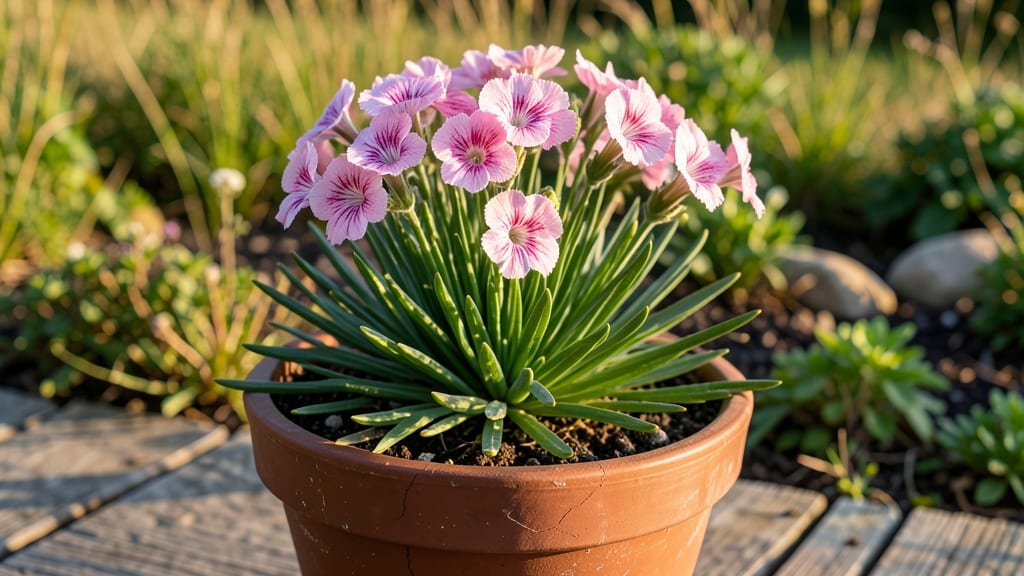
If you’ve ever planted Dianthus hoping for a burst of color—only to be left wondering when do the dianthus flower—you’re not alone. The secret to timing those fragrant pink, red, or white blooms lies in understanding when (and how) they naturally open, and it’s simpler than you think.
Most gardeners in USDA Zone 6a and beyond can expect their spring-planted Dianthus to kick off blooming as early as late May, with peak performance stretching through July and August.
But here’s the catch: whether you’re growing annuals or perennials, a few key factors—like soil warmth and sunlight—can shift that timeline by weeks.
In this guide, I’ll break down exactly when to expect those showstopping flowers month by month, plus pro tips to coax earlier blooms without chemicals.
Whether you’re a first-time gardener or a seasoned pro, you’ll learn how to sync your planting with nature’s clock for nonstop color from spring to summer.
Ready to turn your garden into a fragrant, flower-filled paradise? Let’s get started—your Dianthus is waiting to bloom.
Dianthus flowering seasons by variety: cool vs warm-climate bloomers
Dianthus plants are famous for their clusters of fragrant flowers and come in both annual and perennial varieties, each with distinct bloom windows. The key to maximizing your garden's color is understanding how climate zones and variety types affect their flowering seasons.
Whether you're growing sweet william or cottage garden dianthus, timing matters—especially in USDA zones 3-10.
Cool-climate dianthus varieties often bloom in early spring or late summer, while warm-climate types thrive in summer heat and may rebloom into fall. The difference comes down to their native hardiness and temperature preferences.
For example, perennial dianthus like 'Firewitch' or 'Matrona' may flower twice a year, while annual varieties like 'Rainbow' produce one long burst of color.
Here’s how to match your dianthus varieties with the right planting and bloom windows for your region:
| Variety Type | Climate Zone Fit | Bloom Season | Key Characteristics |
|---|---|---|---|
| Sweet William (Annual) | USDA 3-10 | May-July (peak) / Sept-Oct (rebloom) | Fragrant, clustered blooms; thrives in cool spring |
| Carnation Hybrids (Perennial) | USDA 5-9 | June-August (primary) / Sept-Nov (mild zones) | Heat-tolerant; repeat blooms with deadheading |
| Cottage Garden Dianthus (Perennial) | USDA 3-8 | April-May (spring) / Aug-Sept (fall) | Cold-hardy; thrives in partial shade |
| Border Dianthus (Perennial) | USDA 4-9 | May-July (intense) / Sept-Oct (rebloom) | Drought-resistant; full sun lover |
| Chinese Pinks (Perennial) | USDA 5-10 | June-August (primary) | Heat-loving; minimal rebloom |
In cooler climates (USDA 3-5), perennial dianthus like 'Firewitch' often bloom in late spring and may produce a second flush in fall if temperatures stay mild. Meanwhile, warm-climate varieties (USDA 8-10) may start flowering as early as April and continue through October with proper care.
For annual dianthus, like sweet william, the bloom window depends on when you plant. Sow seeds 4-6 weeks before your last frost date for spring blooms, or late summer for fall color.
In USDA zone 7, for example, I’ve seen 'Rainbow Mix' annuals bloom from May through July with a rebloom in September.
Perennial dianthus often need winter protection in colder zones (USDA 3-4) to ensure robust spring blooms. Use mulch or burlap wraps to shield roots from freezing temperatures. In warmer zones (USDA 9-10), focus on deadheading spent blooms to encourage continuous flowering through summer and fall.
One of my favorite cottage garden tricks is mixing cool-season and warm-season varieties in the same bed. For example, plant 'Matrona' (spring bloomer) alongside 'Firewitch' (summer bloomer) to create a nonstop color show from April through October.
Just ensure they all get full sun (6+ hours daily) and well-draining soil.
If you’re in a transition zone (USDA 6-7), pay attention to soil temperature. Dianthus roots prefer cool soil (below 75°F) to trigger blooming.
In hot summers, provide afternoon shade to prevent bolting. For container gardening, use lightweight potting mix with perlite to improve drainage and encourage more blooms.
Remember, deadheading is your secret weapon for longer bloom seasons. Snip off faded flowers regularly to redirect the plant’s energy into new buds. In my experience, this can extend the flowering window by 3-4 weeks for both annual and perennial types.
Pair this with a light fertilizer (5-10-10) in early spring to give your dianthus a nutrient boost for peak performance.
With the right variety and care, your dianthus can transform your garden into a fragrant, colorful paradise for months on end. Start by choosing types that match
Month-by-month dianthus bloom calendar: what to plant when for continuous flowers
Timing your Dianthus planting isn’t just about dropping seeds in spring—it’s about syncing with nature’s rhythm. In USDA Zone 6a, most varieties bloom from late May through August, but with strategic planning, you can stretch that window from April to October.
The key? Understanding each month’s role in the blooming cycle.
For gardeners in the Northern Hemisphere, spring-planted annuals kick off blooms in May-June, while perennials often wait until June-July. Southern Hemisphere gardeners should reverse this timeline, planting in September-October for winter-spring blooms. Let’s map out the perfect planting calendar to maximize your fragrant flowers.
For continuous blooms, I recommend a succession planting strategy: start your first batch in March-April, then follow with June and August sowings. This staggered approach ensures fresh flowers appear every 6-8 weeks, keeping your garden vibrant all season.
In warmer climates (USDA Zones 8-10), you can extend blooms into November by planting heat-tolerant varieties like 'Firewitch' or 'Mystic Tide'. These varieties thrive in full sun and well-draining soil, making them perfect for southern gardens where summer heat might otherwise stall growth.
Don’t forget: Northern Hemisphere gardeners can also enjoy late-season blooms by planting fall varieties in August. These will overwinter and burst into color in April-May of the following year. The secret? Choose cold-hardy types like Dianthus barbatus (Sweet William) for reliable performance.
With this month-by-month calendar, you’ll never again wonder when do dianthus flower—just follow the natural rhythm and enjoy months of fragrant color with minimal effort. Happy planting! 🌸