
Flowers
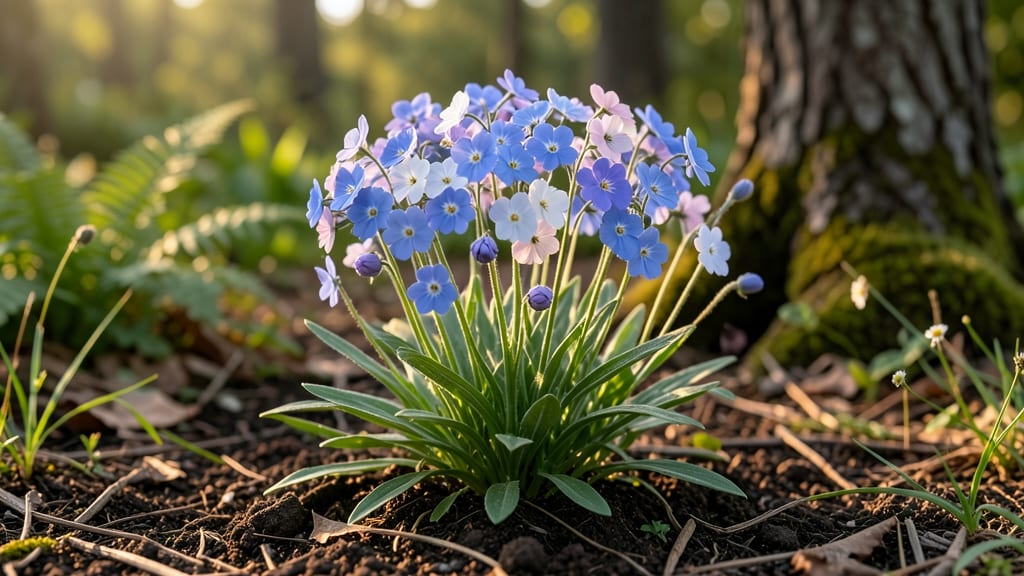
If you’ve ever wondered when those charming 💙 forget-me-not flowers will burst into bloom, timing is the secret to a stunning spring display. These delicate blue blooms typically appear in late spring, but their exact schedule depends on where you live and how you care for them.
For gardeners in USDA Zone 6a—like me—planting in March or April sets the stage for blooms arriving by May or June. But cooler climates may push back the timeline, while warmer regions could see earlier flowers. The key is understanding your local frost dates and soil conditions.
What I’ve learned is that a little extra attention—like proper sunlight and deadheading spent blooms—can extend their show well into summer. Whether you’re growing forget-me-nots as perennials or annuals, these tips will help you maximize their beauty.
Ready to transform your garden into a sea of blue? Let’s dive into exactly when and how to time your forget-me-nots for the longest, most vibrant blooms possible.
Forget-me-not bloom schedule: month-by-month growth timeline
Timing your forget-me-not blooms depends heavily on your USDA hardiness zone and the specific variety you’re growing. In mild climates (zones 8-10), these delicate flowers often start budding as early as late winter, while cooler zones (3-6) may see buds appear in late spring.
Understanding these patterns helps you plan for the most stunning displays.
Most gardeners expect peak blooming between April and June, but this window shifts based on your region. For example, zone 5 gardeners might see their first blooms in May, while zone 9 plants could start as early as March.
Even within the same zone, early vs. late varieties can change your bloom schedule by 2-4 weeks.
Regional variations also play a role. Coastal areas with milder winters often see earlier blooms, while inland regions may experience delays due to late frosts. If you’re in a high-altitude zone, expect blooms to arrive 2-3 weeks later than in nearby lowland areas.
Bud formation typically begins 4-6 weeks before blooming, so if you’re aiming for a Memorial Day display, start monitoring your plants in April. Peak bloom duration usually lasts 3-4 weeks, but proper care can extend this window significantly.
After the peak bloom period, your forget-me-nots will need post-flowering care to ensure they return next year. Deadheading spent blooms encourages more flowers and prevents self-seeding, which can become invasive. For perennial varieties, cut back foliage by one-third after blooming to promote bushier growth.
If you’re growing annual forget-me-nots, they’ll typically bloom nonstop from spring until frost, but their first flush often appears 4-6 weeks after planting. For perennials, the second year of growth usually produces more abundant blooms if you’ve provided well-draining soil and partial shade.
For gardeners in warmer climates (zones 9-10), forget-me-nots may experience a second bloom cycle in fall, especially if you provide consistent moisture and light afternoon shade. This is less common in cooler zones but can be a delightful surprise if conditions are right.
To maximize your bloom window, plant early and late varieties together. For example, pair Myosotis sylvatica (early bloomer) with M. scorpioides (late bloomer) to stretch your display from March through June. This staggered planting strategy also helps prevent gaps in your garden’s color palette.
Watch for bud drop in hot climates—this happens when temperatures exceed 85°F (29°C). To prevent this, provide afternoon shade and increase watering frequency during heatwaves. A light mulch layer also helps retain moisture and keep roots cool.
With the right timing and care, your forget-me-nots will reward you with months of delicate blue blooms, making them a low-maintenance star in spring and summer gardens. Mark your calendar now to track your plants’ progress! 🌸
How to extend forget-me-not blooming season: pro tips for longer flowers
Forget-me-nots (Myosotis sylvatica) typically bloom for just 4-6 weeks, but with the right care, you can stretch that to 8-10 weeks or more. The key lies in deadheading, soil health, and smart pruning—all while avoiding common mistakes that shorten their display.
Let’s dive into proven strategies to keep those vibrant blue blooms appearing longer.
First, understand that forget-me-nots are light feeders—over-fertilizing can lead to lush foliage but fewer flowers. Instead, focus on organic matter like composted manure or well-rotted leaf mold. These plants thrive in slightly acidic to neutral soil (pH 6.0-7.0), so test your soil and amend if needed.
A 2-inch layer of mulch also helps retain moisture and regulate soil temperature, both critical for prolonged blooming.
Organic vs. Chemical Methods for Extending Blooms
| Method | Pros | Cons |
|---|---|---|
| Organic | Improves soil health long-term; safe for pollinators; no chemical runoff. | Slower results; requires patience and consistent application. |
| Chemical | Faster bloom extension; precise nutrient delivery. | Can harm beneficial insects; risks soil degradation over time; not eco-friendly. |
💡 Tip: For organic results, use fish emulsion (diluted to 10-1 ratio) every 4 weeks during the growing season.
Deadheading is your #1 tool for extending blooms. Snip off spent flowers just above the first set of healthy leaves using clean, sharp scissors. This redirects the plant’s energy from seed production to new flower buds.
Do this 2-3 times per week during peak bloom, and you’ll see a noticeable difference in flowering duration. Avoid tugging flowers by hand—it can damage stems and invite disease.
Companion planting also plays a role. Pair forget-me-nots with sweet alyssum or pansies to attract pollinators and deter pests like slugs. These companions create a microclimate that reduces stress on your forget-me-nots, helping them bloom longer.
Additionally, avoid planting near mint or comfrey, as their aggressive roots can compete for nutrients and space.
Seasonal pruning is another game-changer. After the first flush of blooms, give your plants a light trim to encourage a second round of flowers. Cut back one-third of the foliage in early summer, but avoid pruning after mid-July—this can prevent next year’s blooms.
For perennial varieties, a late-summer cleanup removes dead foliage and strengthens roots for the following season.
Finally, watch your watering habits. Forget-me-nots need consistent moisture but hate soggy soil. Water deeply in the morning to reduce fungal risks, and let the top 1 inch of soil dry between waterings.
In hot climates, provide afternoon shade to prevent wilting, which can shorten the blooming window. With these adjustments, your forget-me-nots will reward you with months of color instead of weeks.