
Flowers
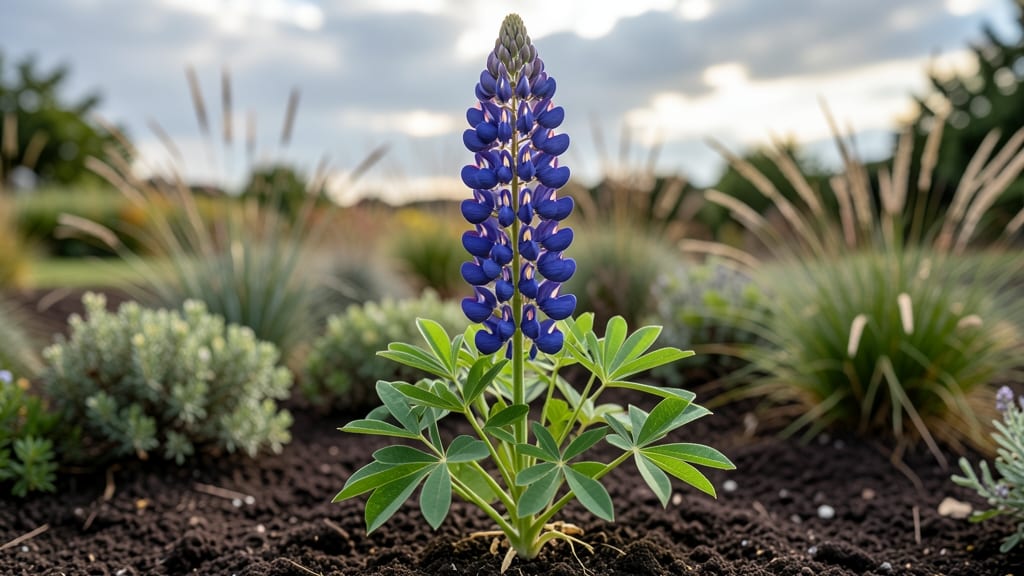
If you’ve ever planted lupins hoping for a burst of vibrant color only to wonder when do lupins flower, you’re not alone.
The timing of their bloom is more nuanced than you might think—it’s not just about the calendar, but also your local climate and the specific variety you’ve chosen.
Most lupins flower between late spring and early summer, but some varieties like the Russell Hybrid can start as early as May, while others may wait until July.
In USDA Zone 6a, where many gardeners grow these striking 🌸 plants, the bloom window often stretches from June through August, depending on when you planted them in March or April.
What makes this even more interesting is how factors like sunlight, soil quality, and even rainfall can shift those dates. Too little sun? Your lupins might delay their show. Too much heat?
They could bolt early. I’ll break down exactly how to time your planting for the most dramatic display, plus how to troubleshoot if your lupins seem late to the party.
Whether you’re a first-time gardener or a seasoned pro, understanding these rhythms will help you plan your garden layout for maximum impact. Let’s dive into the secrets of getting your lupins to bloom on schedule—and keep them looking their best all season long.
Lupin flowering seasons by variety: spring vs summer bloomers
If you've ever dreamed of a garden bursting with tall, dramatic lupin spikes, timing is everything. These perennial favorites (though often grown as annuals) offer vibrant blooms from late spring to summer, but their exact flowering window depends entirely on the variety.
Some burst into color by May, while others wait until July for their grand display. Understanding these differences helps you plan for season-long color and avoid disappointment when your lupins don't bloom on schedule.
The key to predicting lupin blooms lies in three critical factors: the specific variety you choose, your USDA hardiness zone, and even your soil's phosphorus levels.
For example, Russell Hybrid lupins often bloom 4-6 weeks earlier than Yellow Lupin varieties, while Blue Peter lupins might surprise you with second flushes of flowers in late summer. Let's break down these flowering windows by variety so you can select lupins that align perfectly with your garden's timeline.
🌸
Notice how Russell Hybrid lupins are the earliest bloomers, often starting as soon as late April in warmer zones. Their vibrant blue-purple spikes make them a showstopper for spring gardens, but they typically finish blooming by early June.
If you want extended color, pair them with Blue Peter lupins, which bloom 4-6 weeks later and may produce a second flush in late summer if deadheaded regularly.
For those who love warm season color, Yellow Lupin varieties are your best bet—they don't even begin blooming until June, ensuring your garden stays vibrant when many spring flowers have faded.
Their golden yellow blooms contrast beautifully with purple and blue lupins, creating a stunning color palette. Pro tip: Plant Yellow Lupin near dark foliage plants like heuchera or hostas to make their color pop even more.
Height differences also play a role in visual impact. The tallest varieties, like Alba Lupin (4-5 ft), work beautifully as back
How climate zones shift lupin blooming times (USDA map guide)
Your USDA hardiness zone plays a starring role in when your lupins flower. In Zone 3, expect blooms as early as late May—cooler temps delay growth. By Zone 10, lupins may start flowering in March, taking full advantage of mild winters.
Coastal areas often bloom 2-3 weeks earlier than inland zones due to ocean moderation.
For container-grown lupins, microclimates matter most. Place pots near south-facing walls to extend the growing season by 3-4 weeks compared to open garden beds. Urban heat islands can push blooming times 10 days earlier—monitor your local weather patterns closely.
🌱
| USDA Zone | Typical Bloom Window | Coastal Adjustment | Container Tip |
|---|---|---|---|
| Zones 3-4 | Mid-June to July | 10 days earlier | Use black containers |
| Zones 5-6 | Late May to June | 14 days earlier | Add mulch layer |
| Zones 7-8 | April to May | 3 weeks earlier | Choose dwarf varieties |
| Zones 9-10 | March to April | Minimal change | Use grow lights |
In Zone 5, my Russell Hybrid lupins reliably bloom by Memorial Day, but last year's Blue Peter variety pushed blooms into early June due to unusually cool springs. Always check your last frost date—planting too early in cold zones risks stunted growth and delayed flowering.
For container growing, select dwarf varieties like 'Chapel of Love' to ensure blooms appear on schedule. These varieties mature 2-3 weeks faster than standard types. Pair with well-draining potting mix and morning sunlight exposure to maximize bloom potential.
🌿
Pro tip: Track your local chill hours—lupins need 300-500 hours below 45°F for reliable blooming. Use a garden thermometer to monitor and adjust planting times accordingly. In Zone 9, I've seen lupins flower twice a year when given proper care during mild winters.