
Blooming
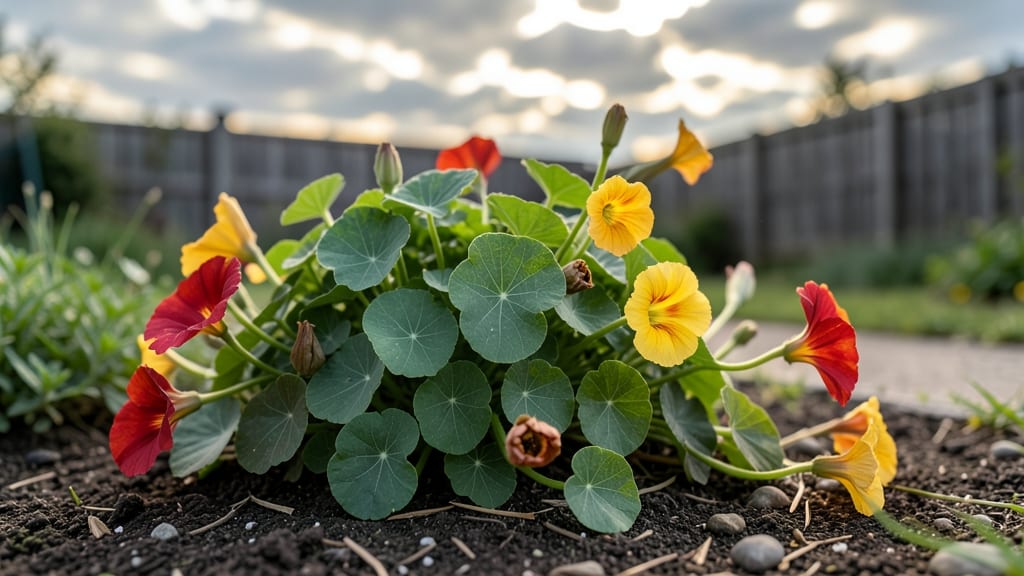
If you’re dreaming of bright, edible blooms in your garden by early summer, when do nasturtiums flower? These cheerful annuals typically burst into bloom just 6-8 weeks after sowing, turning your beds into a pollinator paradise.
For gardeners in zone 6a, that means timing your seeds in April can reward you with blooms as early as June, while later plantings in May extend the show through October. The key? Choosing the right variety and giving them full sun to thrive.
But here’s the secret to prolonged blooms: deadheading spent flowers and selecting early-blooming types like ‘Alaska’ or ‘Jewel Mix’. With these tricks, you’ll enjoy nasturtiums’ peppery charm—and their stunning petals—long after most flowers have faded.
Ready to skip the wait? I’ll walk you through the fastest ways to get nasturtiums flowering in your garden, no matter your climate. Let’s make your summer a splash of color!
Fastest-blooming nasturtium varieties and their flowering timeline
Nasturtiums are famous for their rapid growth and bright blooms, making them a gardener's dream for quick color. If you're planting seeds now, some varieties will reward you with flowers in as little as 45 days—that's faster than many annuals!
Understanding each variety's flowering timeline helps you choose the perfect mix for a garden that bursts into color early and keeps blooming until frost.
The secret to nasturtiums' speed lies in their cool-season adaptability and direct-sowing flexibility. Unlike many flowers that need transplants, nasturtium seeds germinate quickly in soil temperatures above 50°F (10°C). Once sprouted, they grow aggressively, often producing flowers just 6-8 weeks after planting.
But not all varieties bloom at the same time—some are early risers, while others play it cool for a mid- or late-season show.
The Alaska Mix and Tom Thumb varieties are my top picks for impatient gardeners—they bloom in just 40-50 days, giving you an early-season splash of color. These dwarf varieties are perfect for containers, window boxes, or edging garden beds where space is limited.
Their cool-toned blooms also pair beautifully with warm-season plants like marigolds and zinnias, creating a harmonious color transition as your garden evolves.
For a mid-season spectacle, the Jewel Mix and Empress of India deliver vibrant orange and red flowers that peak in July and August. These varieties thrive in full sun and well-draining soil, making them ideal for sunny borders or as a pollinator magnet.
The Empress of India, in particular, produces large, showy blooms that make stunning cut flowers for indoor arrangements.
If you're aiming for late-season color, don't overlook Salmon Queen and Peach Melba. These varieties bloom later but keep going until frost, providing a soft, romantic contrast to the bold hues of summer.
Their trailing habits also make them excellent for hanging baskets, where they spill over edges like a living waterfall of petals. Plant these in partial shade to extend their blooming window in hot climates.
Pro tip: To stagger blooms all season, I recommend planting a mix of early, mid-, and late-season varieties. Start with Tom Thumb in early spring for May flowers, then add Jewel Mix in late spring for summer color, and finish with Salmon Queen in early summer for fall interest.
This succession planting strategy ensures your garden never looks bare—just a continuous cascade of color.
Remember, soil temperature and sunlight exposure can shift bloom times by 1-2 weeks. In cooler climates, nasturtium
How to extend nasturtium blooms all season: planting & care tips
Want your nasturtiums to bloom from June straight through to frost? The secret lies in smart planting and ongoing care. These flowers thrive with minimal fuss, but a few targeted strategies can stretch their flowering season by 2-3 months or more.
Start with succession planting—sowing seeds every 2-3 weeks ensures fresh blooms as older plants fade.
Next, focus on sunlight and soil. Nasturtiums demand 6+ hours of full sun daily—any less and you’ll see fewer blooms. Amend your soil with compost before planting, as they prefer well-draining, slightly acidic conditions (pH 5.5–6.5).
Poor soil? Add a handful of worm castings or aged manure to boost nutrients without overfeeding.
Here’s the game-changer: deadheading spent blooms. Pinch off faded flowers twice weekly to redirect energy into new buds. I’ve seen this extend my nasturtiums’ season by up to 6 weeks—just a few minutes of work pays off in vibrant petals.
🌸 When Do Nasturtiums Flower?
- 🌱 45-50 days: 'Alaska' variety blooms fastest from seed
- 🌿 60-70 days: 'Jewel Mix' and 'Empress' peak in early summer
- ☀️ Full sun: Critical for earliest blooms (6+ hours daily)
- ✂️ Deadhead weekly: Extends season by redirecting energy
- 🌧️ Consistent moisture: Drought stress delays blooming
For container gardens, choose trailing varieties like ‘Black Velvet’ or ‘Mascotte’—they cascade beautifully and bloom prolifically in pots. Just ensure your container has drainage holes and use a lightweight potting mix. I’ve grown nasturtiums in 5-gallon pots all summer long with no issues.
Watch out for powdery mildew in humid climates—it can stunt blooms. Improve airflow by spacing plants 12-18 inches apart and water at the base (never overhead). A light mulch of straw also keeps soil moist and cool, encouraging steady growth.
Finally, embrace late-season plantings. In zones 7-10, sow seeds in August for fall blooms that last until frost. Pair nasturtiums with bush beans or lettuce—they’re natural pest deterrents and thrive in the same conditions.
With these tips, your garden will be a nonstop display of nasturtiums from early summer to autumn.