
Flowers
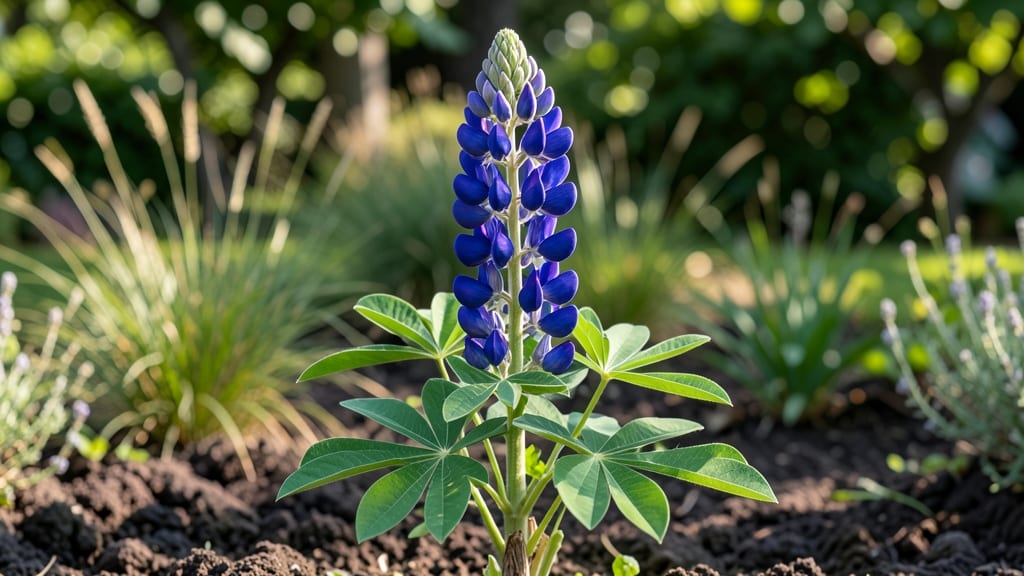
If you’re dreaming of lupins’ 🌸 bold spikes of color transforming your garden, how long do lupins flower is the first question to answer for a show-stopping display.
These striking perennials can bloom for anywhere from 4 to 8 weeks, but the exact duration depends on the variety, your climate, and how you care for them.
Annual lupins often burst into bloom just 8-10 weeks after planting, while hardy perennials like Lupinus polyphyllus may reward you with 6-8 weeks of continuous color—if given the right conditions. Whether you’re in USDA Zone 6a or further south, understanding these patterns helps you plan for peak visual impact.
In this guide, I’ll break down the exact flowering timelines by variety, share proven tips to extend their bloom time, and reveal common mistakes that cut blooms short. By the end, you’ll know how to coax your lupins into their longest, most vibrant performance yet.
Ready to turn your garden into a lupin lover’s paradise? Let’s dive into the seasonal secrets that keep these flowers in peak form from spring through summer.
Lupin flowering duration by variety: exact weeks of blooms
Lupins are showstoppers in any garden, but their bloom duration varies wildly depending on the variety and growing conditions. Annual lupins like Lupinus albus typically flower for 4-6 weeks in a single burst, while perennials such as Lupinus polyphyllus can extend their display to 6-8 weeks with proper care.
Understanding these differences helps you plan your garden for maximum impact.
Most lupins bloom in late spring to early summer, with peak flowering occurring in May and June in USDA Zones 5-9. Coastal regions may see earlier blooms due to milder winters, while inland areas might experience delayed flowering.
Let’s break down the exact weeks of blooms by variety so you can choose the perfect lupin for your garden timeline.
| Variety | Bloom Duration | Peak Bloom Month | Reblooms? | Hardiness Zones |
|---|---|---|---|---|
| Lupinus polyphyllus (Russell Hybrid) | 6-8 weeks | May-June | Yes (light) | 4-9 |
| Lupinus albus (White Lupin) | 4-6 weeks | June-July | No | 6-10 |
| Lupinus nootkatensis (Arctic Lupin) | 3-5 weeks | May | No | 3-8 |
| Lupinus nanus (Dwarf Lupin) | 5-7 weeks | June-July | Yes (moderate) | 5-9 |
| Hybrid Lupins (e.g., 'Myristica Blue') | 7-9 weeks | May-August | Yes (frequent) | 5-8 |
Hybrid lupins like 'Myristica Blue' often outperform other varieties with extended blooming periods of 7-9 weeks, making them ideal for long-lasting color. These hybrids are bred to rebloom, offering multiple flushes of flowers throughout the season.
If you’re in cooler coastal climates, expect lupins to bloom 1-2 weeks earlier than inland gardens due to milder temperatures.
Perennial lupins, such as Lupinus polyphyllus, are the stars of reblooming—they can produce secondary blooms in late summer if you deadhead spent flowers regularly.
Annual varieties like Lupinus albus focus all their energy on a single 4-6 week bloom, so timing your planting is critical for a summer display. Plant seeds 4-6 weeks before your last frost date to ensure they mature in time for peak flowering.
In warmer climates (Zones 9-10), lupins may bloom earlier and longer, sometimes stretching into September if conditions are ideal. However, heatwaves above 90°F can cause lupins to bolt prematurely or drop buds. Provide afternoon shade in extreme heat to preserve their vibrant blooms and extend the flowering season.
Soil pH plays a huge role in lupin flowering duration. These plants thrive in acidic soil (pH 6.0-6.5). If your soil is alkaline, amend it with sulfur or peat moss to encourage longer, healthier blooms.
Well-drained soil is also critical—waterlogged roots can shorten the flowering period by up to 30%.
Deadheading is your secret weapon for prolonging lupin blooms. Remove faded flower spikes regularly to redirect the plant’s energy into new growth. For perennials, this can double the blooming season by encouraging late-summer reblooms. Use clean, sharp pruning shears to avoid damaging the stems.
If you’re growing lupins in containers, expect slightly shorter bloom durations
How to extend lupin blooms: 5 proven techniques for longer flowers
Lupins are nature’s showstoppers, but their flowering duration can feel short-lived if you don’t give them the right care. With the right techniques, you can stretch their bloom time from 4 to 8+ weeks, transforming your garden into a continuous display.
The key? Understanding what lupins need to thrive—and when to act. Let’s dive into the 5 most effective methods to keep those colorful spikes coming.
First, let’s address the biggest misconception: lupins don’t naturally rebloom like some annuals. Instead, their flowering cycle depends entirely on how you manage their energy. Whether you’re growing Lupinus polyphyllus (the classic perennial) or Lupinus albus (the annual white lupin), these techniques will work.
The goal? Encourage more buds while keeping existing blooms fresh.
Remove spent blooms every 3-4 days to prevent seed pods from forming. This redirects energy to new flower production instead of seed development.
Lupins thrive in pH 6.0-6.5. Test your soil and amend with sulfur or peat moss if needed. Acidic soil boosts nutrient uptake, leading to healthier, longer-lasting blooms.
Give lupins 1-1.5 inches of water weekly, focusing on the root zone. Watering in the morning reduces fungal risks and keeps blooms vibrant longer.
Pair lupins with marigolds or garlic to deter pests like aphids. Healthy lupins bloom longer when they’re not stressed by insect damage.
For perennials, cut back 1/3 of the plant after the first flush of blooms. This stimulates a second bloom cycle in some varieties, especially in USDA Zone 6a+.
For annual lupins, focus on deadheading and consistent watering—these varieties don’t rebloom, but you can maximize their initial display. Perennials, however, offer more flexibility.
After their first 6-8 week bloom, give them a light trim and watch for a second flush in late summer if conditions are right. The key is balancing energy between growth and flowering.
One critical tip: avoid over-fertilizing with high-nitrogen feeds. Too much nitrogen promotes leafy growth at the expense of flowers. Instead, use a balanced 10-20-10 fertilizer lightly during the growing season. Your lupins will reward you with taller stems and more blooms, not just foliage.
With these techniques, your lupins can bloom for weeks longer than average, turning your garden into a season-long spectacle. Start with just one or two methods, track the results, and adjust as needed. Happy gardening!