
Blooming
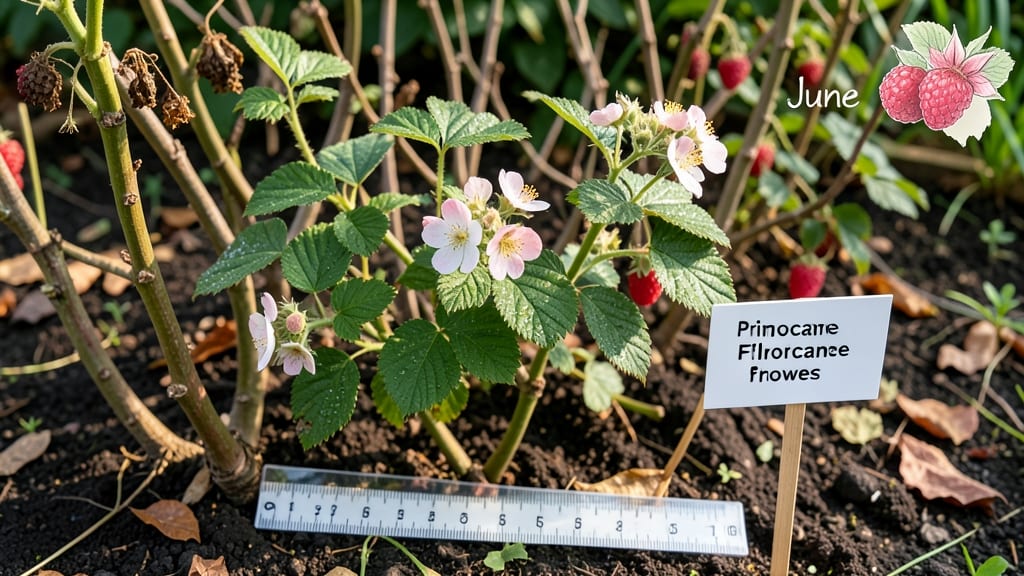
Timing your raspberry harvest starts with knowing when raspberries flower—because missing this window means fewer berries (or none at all) later. Whether you’re growing the classic summer-bearing 🍇 or the ever-bearing type, the bloom period dictates everything from pruning to fruit production.
Most raspberries flower in late spring, but the exact timing depends on your variety and climate zone. Summer-bearing types (like Heritage) bloom in May or June, while fall-bearing varieties (like Autumn Bliss) may flower twice—once in spring and again in summer.
If you’re in USDA Zone 6a, expect blooms around May, but warmer zones can push this earlier.
Getting the bloom timing right isn’t just about patience—it’s about setting up your raspberries for success. Proper sunlight, watering, and even last year’s pruning can shift when (and if) those delicate flowers appear.
Let’s break down the exact months for your variety and how to keep your plants on track for a bountiful harvest.
From identifying the first buds to troubleshooting late blooms, I’ll walk you through the key steps to maximize your raspberry yield. No guesswork—just science-backed tips to turn your garden into a berry-producing powerhouse.
Raspberry flowering timeline by variety: summer vs fall-bearing types
Understanding when raspberries flower is the first step to a productive harvest. The two main types—summer-bearing and fall-bearing—have completely different bloom cycles.
Summer-bearing varieties like Heritage produce one massive flush of flowers in late spring, while fall-bearing types like Autumn Bliss may flower twice: once in spring and again in summer. This difference directly impacts your harvest timing and pruning strategy.
For most gardeners, the flowering window for summer-bearing raspberries falls between May and June, with fruit ripening 60–90 days later. Fall-bearing varieties, however, can start flowering as early as April for their first flush and again in July or August for a second crop.
If you’re in USDA Zone 6a, expect your summer-bearing canes to bloom around mid-May, while fall-bearing types might kick off in late April.
Here’s the critical difference: summer-bearing raspberries only fruit on second-year canes (those that grew last year), while fall-bearing varieties produce fruit on both first- and second-year canes. This means your pruning approach—and even your fertilizer schedule—must align with your variety’s flowering habits to avoid missing the bloom window entirely.
| Variety Type | Primary Bloom Window | Secondary Bloom (Fall-Bearing) | Fruiting Canes | Harvest Months |
|---|---|---|---|---|
| Summer-Bearing (June-Bearing) | Late May – Early June | None | Second-year canes only | July – August |
| Heritage | Mid-May | N/A | Second-year | Late July – Early August |
| Boyne | Early June | N/A | Second-year | August – September |
| Fall-Bearing (Everbearing) | Late April – Early May | July – August | First- and second-year | June – September |
| Caroline | Early May | Mid-July | Both | June – September |
| Autumn Bliss | Late April | Early August | Both | June – October |
If you’re growing Heritage raspberries, mark your calendar for mid-May when those first buds appear. This variety is a classic summer-bearer, so all your fruit will come from last year’s canes. Prune aggressively in late winter to encourage strong new growth—those second-year canes will carry your entire harvest.
On the other hand, Autumn Bliss might surprise you with blooms as early as late April, followed by a second flush in August. This dual flowering means you’ll have berries ready for picking from June through October.
The key to maximizing your raspberry yield lies in identifying flowers early. Look for small, pale green buds that swell into clusters of tiny white or pink blossoms.
In summer-bearing varieties, these will appear along last year’s canes, while fall-bearing types may show flowers on both old and new growth. If you miss this window, you might end up with fewer berries—or none at all—because raspberries only fruit on canes that have already flowered.
For gardeners in warmer climates (Zones 8–10), flowering can start as early as March, while those in colder zones (3–5) might see blooms delayed until June.
Late frosts are the biggest threat during the bloom period, so consider covering young flowers with frost cloth if your area experiences unpredictable spring weather. Even a single night below 28°F can damage buds
How climate zones shift raspberry flowering months (USDA guide)
Your USDA hardiness zone plays a bigger role in raspberry flowering than most gardeners realize. While summer-bearing varieties typically bloom in late spring, the exact month can shift by 4-6 weeks depending on whether you're in Zone 3 or Zone 10.
Cold climates delay blooms until after frost danger passes, while warm zones may see flowers as early as March.
This shift isn't just about timing—it affects everything from pruning schedules to fruit ripening windows. For example, a Zone 5 grower might harvest in July-August, while a Zone 8 gardener could enjoy two harvests—June and October.
Understanding these patterns helps you choose varieties that sync with your local climate for maximum yield.
In Northern Zones 3-5, raspberries wait until after the last frost to bloom, often in late May. This delay protects delicate flowers from late spring frosts, which can destroy buds.
If you're in these zones, consider everbearing varieties like Heritage—they produce a second crop in fall when nights cool.
For Midwestern Zones 6-7, flowering typically starts in early May, but timing can vary by 10-14 days based on winter severity. A harsh winter may delay blooms by 2-3 weeks, while mild winters can push flowers to appear as early as April.
Always monitor your local frost forecast and be ready to protect new blooms if frost threatens.
Gardeners in Southern Zones 8-10 enjoy the earliest blooms, often starting in March, but face different challenges. The real advantage here is two flowering cycles—spring and fall—allowing for extended harvests. However, extreme heat can stress plants, so mulching and afternoon shade become critical during peak summer months.
To extend your raspberry season in marginal zones, try these proven strategies: Use row covers for early blooms in cold zones, plant late varieties to avoid frost, and consider container growing for flexibility. For warm zones, focus on water retention and pruning to encourage fall blooms.