
Blooming
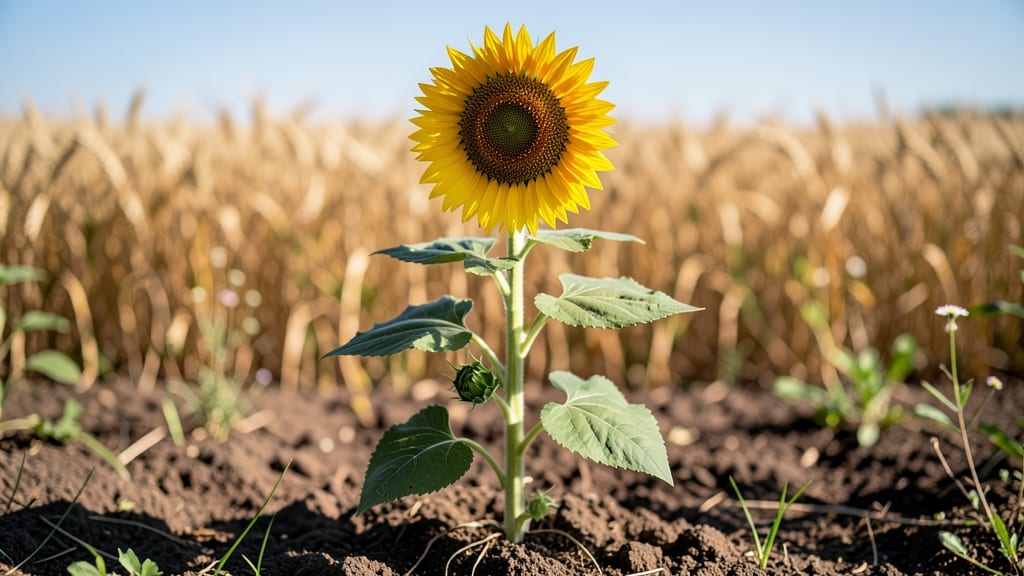
Sunflowers start to bloom anywhere from 45 to 120 days after planting, depending on the variety and growing conditions—but knowing the exact timeline can make all the difference in your garden.
Imagine waiting weeks for those bright 🌻 faces to appear, only to miss the peak bloom window because of a late frost or slow-growing seeds. The secret to timing your sunflower harvest lies in understanding how sunlight, temperature, and soil conditions interact with your chosen variety.
If you're planting in Zone 6a after the last frost (typically April-May), most sunflowers will begin blooming between July and September, with some early varieties popping open as soon as 60 days after planting.
But here’s the catch: dwarf varieties like 'Teddy Bear' might surprise you with blooms in just 45 days, while towering giants like 'Russian Mammoth' can take up to 120 days to reach their full glory.
Want to speed up or delay blooming? The key is controlling sunlight, water, and soil warmth—simple tweaks that can shift your sunflower’s schedule by weeks. Whether you’re chasing summer harvests or extending fall blooms, these strategies will help you fine-tune your garden’s timing.
Let’s break down exactly what to watch for so you never miss a single 🌻 moment.
From tracking leaf growth to adjusting watering schedules, you’ll learn the subtle signs that tell you your sunflowers are ready to bloom—and how to troubleshoot delays before they happen. Ready to turn your garden into a sunflower showstopper? Let’s get started.
Sunflower bloom timelines by variety: exact days after planting
Sunflower blooms vary dramatically by variety, with some dwarf types bursting into color in just 45 days while giant varieties take nearly 120 days to reach their peak. This variation makes timing your garden harvest a game of precision—especially when you’re planning for late summer or fall displays.
The key to predicting bloom times lies in understanding how each variety responds to sunlight, temperature, and soil conditions in your specific USDA Zone 6a climate.
For example, if you plant 'Teddy Bear' sunflowers in early May, you can expect cheerful 3-foot-tall blooms by mid-July—just in time for summer photos. But if you’re growing 'Russian Giant' varieties, those towering 12-foot stalks won’t open until late August or early September.
The difference? Genetics, growth rate, and environmental triggers all play a role. Let’s break down the exact timelines for popular varieties so you can plan your garden like a pro.
If you’re planting in Zone 6a, timing your sunflower varieties is all about matching their bloom windows to your garden goals. For instance, 'Teddy Bear' and 'Moulin Rouge' are perfect for early summer displays (June-July), while 'Autumn Beauty' extends your color into September with its cold tolerance.
Meanwhile, 'Russian Giant' varieties reward patience with late-season drama, often blooming just before the first frost in October.
Climate plays a huge role in these timelines. In warmer southern regions, sunflowers may bloom 10-15 days earlier than in cooler northern zones.
For example, a 'Russian Giant' planted in Zone 8a might bloom by early September, while the same variety in Zone 5a could wait until late September or October.
To adjust for your location, use a frost-free date calculator and count backward from your first expected frost to determine the latest safe planting window for late-blooming varieties.
One of my favorite tricks for speeding up blooms is to plant early varieties like 'Teddy Bear' in late April, just after the last frost. These fast growers will often bloom by mid-July, giving you a head start on summer color.
For delayed blooms, try starting giant varieties indoors 4-6 weeks before the last frost—this gives their roots a head start, so they’re ready to bolt into full-height growth as soon as soil temperatures warm up.
Watch out for common delays like overcrowding or nutrient deficiencies, which can push back bloom times by weeks. Sunflowers need 6-8 hours of direct sunlight daily—if they’re shaded by taller
How to speed up or delay sunflower blooming: pro tips for gardeners
Adjusting your sunflower's bloom schedule is easier than you think—it just takes a few strategic tweaks to your garden routine. Whether you're chasing summer blooms or extending fall color, understanding how soil warmth, light exposure, and watering patterns affect growth gives you control.
For example, planting in late summer can delay blooms until next spring, while giving seedlings extra warmth can trigger flowers weeks earlier. The key lies in timing these factors precisely to match your garden goals.
One of my favorite tricks is using black plastic mulch to warm the soil early in the season. This simple step can shave 10-14 days off bloom time by keeping roots cozy.
Pair that with consistent morning watering (never at night!) to prevent fungal issues, and you'll see buds forming faster. But be careful—overdoing it with water or fertilizer can actually delay blooming by encouraging too much leafy growth instead of flower development.
⚠️ callout warning ⚠️
Over-fertilizing with high-nitrogen feeds pushes leaf growth but blocks flowering. Inconsistent watering causes stress that delays bud formation. And planting too late in the season can leave sunflowers struggling to mature before frost. Always use a balanced 5-10-10 fertilizer and water deeply every 3-5 days for best results.
💧 Pro Tip: Test soil moisture by sticking your finger 2 inches deep—water when it's dry.
For gardeners wanting to delay blooms, the secret is timing your planting. Sow seeds in late summer (after August 1st) to push blooms into next spring. This works especially well for 'Autumn Beauty' varieties, which naturally produce multi-colored flowers.
Just be prepared to protect young plants from early frosts with row covers or cold frames. I've had great success with this method in Zone 6a, where it extends my sunflower season by nearly two months.
Light exposure plays a surprising role too—sunflowers need 6-8+ hours of direct sunlight daily to bloom on schedule. If your garden gets partial shade (like under trees), consider growing dwarf varieties that tolerate lower light better.
For maximum sun exposure, plant in the southernmost part of your yard or use reflective mulch to bounce extra light onto seedlings. This hack can make a 20% difference in bloom speed for shade-challenged gardens.
Transplanting at the right stage also makes a difference. Move seedlings when they have 2-3 true leaves (not just the initial seed leaves) to minimize shock. Harden them off for 5-7 days before transplanting by placing them in partial shade outdoors during the day.
This gradual adjustment helps roots establish faster, so plants can focus energy on flowering instead of recovering from transplant stress. I've seen blooms appear 2 weeks earlier when using this method with 'Moulin Rouge' varieties.
Finally, don't underestimate the power of pruning to control bloom timing. Pinch off the main bud when it's about 6 inches tall to encourage bushier growth with multiple smaller flowers.
This works best with bush-type sunflowers like 'Teddy Bear' and can delay the first bloom by 10-14 days while creating a fuller plant. Just be prepared for slightly smaller individual flowers—it's a trade-off worth making for extended bloom seasons.