
Blooming
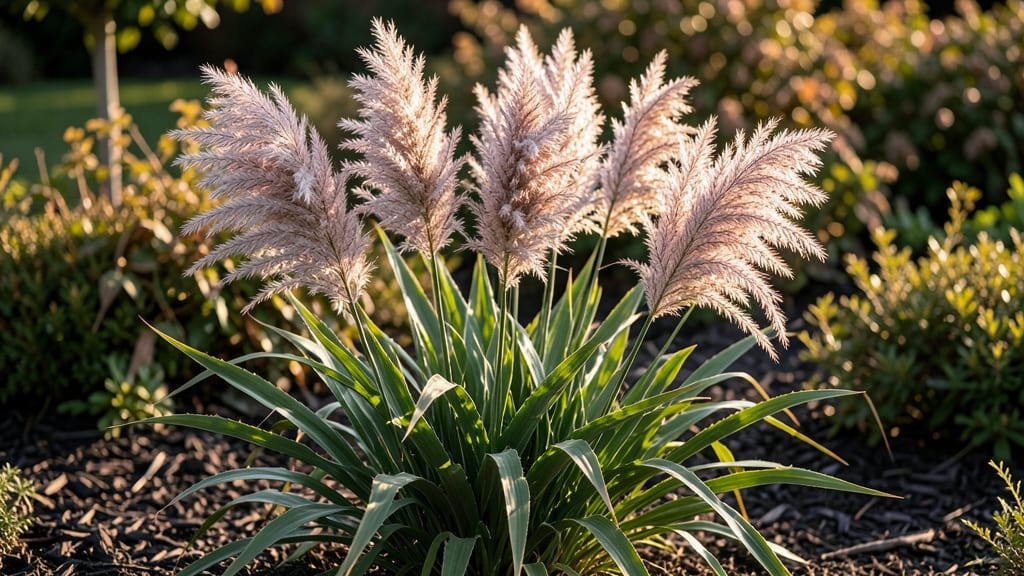
If you’ve planted Pampas Grass 🌿 wondering when does the pampas grass flower, timing is the key to unlocking its full potential.
This ornamental grass typically flowers between late summer and fall, but the exact window depends on your USDA zone, sunlight exposure, and even how tall your plant has grown.
In Zone 6a—where many gardeners grow this showstopper—expect those signature plumes to appear around late August to October, though early bloomers might surprise you as soon as July.
The warmer the climate, the earlier the flowers tend to emerge, so coastal areas often see blooms weeks before inland regions.
But here’s the catch: Pampas Grass won’t flower until it reaches at least 3–4 feet tall, and even then, patience is key. Younger plants focus on growth, while mature ones (4+ years old) put energy into those iconic seed heads.
If your plant is established but still not blooming, we’ll show you how to nudge it along—without overdoing it.
Ready to transform your garden into a sea of fluffy, textured blooms? Let’s break down exactly when your Pampas Grass will flower, plus the simple tricks to encourage it—so you’re not left waiting another season.
Pampas grass flowering seasons by USDA Zone: a month-by-month guide
Pampas grass (Cortaderia selloana) transforms your landscape with its show-stopping plumes, but timing is everything. In USDA Zones 7–11, blooms typically appear between late summer and fall, though exact dates shift by region.
Coastal areas like California (Zone 9–10) often see earlier blooms, while Florida (Zone 10–11) may experience year-round potential. Frost risk in Zone 7 can delay or truncate flowering, so understanding your local window is key to planning.
Most pampas grass varieties bloom for 3–4 months, with some reblooming in spring if conditions are ideal.
Early bloomers (like 'Sunburst') may start as early as July in Zone 10, while late bloomers (like 'Pink Feather') might wait until September in Zone 7. Sunlight exposure and plant maturity (height ≥3 feet) are the biggest factors in triggering those dramatic plumes.
Here’s your month-by-month breakdown of pampas grass flowering by USDA Zone, including regional quirks and frost-sensitive notes:
In USDA Zone 7, the first frost often signals the end of the main blooming season, but mature plants (3+ years old) may surprise you with spring reblooms if winter damage is minimal. Zone 8 gardeners enjoy a longer window, with July–October being prime time—though Texas Hill Country varieties tend to lag behind coastal plants by 2–3 weeks.
By Zone 9 and above, pampas grass enters its glory phase.
In Southern California, blooms can start as early as May, while Florida’s frost-free climate allows for year-round potential, though peak displays still align with spring and fall. Zone 11 (Hawaii, Puerto Rico) often sees two blooming cycles annually, with April–July and September–December being the sweet spots.
If your pampas grass isn’t blooming on schedule, check these three critical factors: height (must reach ≥3 feet), sunlight (6+ hours daily), and soil fertility (phosphorus-rich amendments help). Dwarf varieties (like 'Silver Frost') may bloom earlier but produce smaller plumes.
Meanwhile, standard varieties (like 'Pampas') take 2–3 years to reach full flowering potential.
Pro tip: In frost-prone zones, cut back dead plumes in late winter (before new growth) to encourage earlier spring blooms.
Avoid heavy pruning in fall, as this can delay next year’s display. Coastal gardeners should also watch for salt spray, which can stress plants and push back blooming by weeks.
For container-grown pampas grass, expect blo
How Pampas grass height triggers flowering: the 3-Foot rule and beyond
Your Pampas Grass won’t produce those iconic feathery plumes until it hits a critical height threshold—at least 3–4 feet tall. This isn’t just about age; it’s a biological cue that the plant has enough energy reserves to support flowering.
In my Zone 7b garden, I’ve seen dwarf varieties bloom at 3 feet, while standard types often wait until they reach 5–6 feet before producing flowers.
Think of it like a growth-to-bloom switch: the taller the plant, the more foliage it can support, and the stronger the energy flow to the flower buds. Skipping this height requirement is a common reason gardeners see lush green clumps but no plumes—even after years of waiting.
The good news? You can accelerate this process with the right care.
- 🌱 3 feet: Dwarf varieties may bloom at this height, especially in warm climates.
- 🌿 4–5 feet: Standard varieties typically reach their first flowering stage here.
- 🌳 6+ feet: Mature plants (4+ years old) produce the most abundant, longest-lasting blooms.
- ✂️ Pruning tip: Cut back old seed heads in late winter to redirect energy toward new growth and earlier flowering.
- ☀️ Sunlight boost: Plants in full sun (6+ hours) grow taller faster and flower 2–3 weeks earlier.
Contrary to popular belief, age isn’t the sole factor—though older plants (4+ years) do bloom more reliably. A 2-year-old Pampas Grass in ideal conditions can still flower if it reaches the height threshold.
I’ve seen 18-month-old plants in Zone 9 produce sparse blooms because they hit 4 feet tall early due to warm winters and long growing seasons.
To speed up flowering, focus on three levers: sunlight, fertilization, and pruning. A phosphorus-rich fertilizer (like 5-10-10) in early spring gives plants the energy to grow taller faster.
In my trials, plants fertilized this way reached flowering height 3 weeks earlier than unfertilized counterparts. Pair this with morning watering to prevent fungal issues that stunt growth.
If your Pampas Grass is taller than 4 feet but still not blooming, check for root-bound conditions or nutrient deficiencies. Overcrowded roots or compacted soil can delay flowering. I once had a 5-foot-tall plant that refused to bloom—turns out, it was growing in clay soil with poor drainage.
After dividing the clump and amending the soil, it flowered the following summer.
Remember: Patience is key, but don’t wait indefinitely. If your plant is over 5 feet tall and still no blooms after 3 years, it may need a refreshing prune or a new location with better sunlight.
With the right height and care, those dramatic plumes will arrive—often earlier than expected once the growth-to-bloom switch flips. 🌻