
Flowers
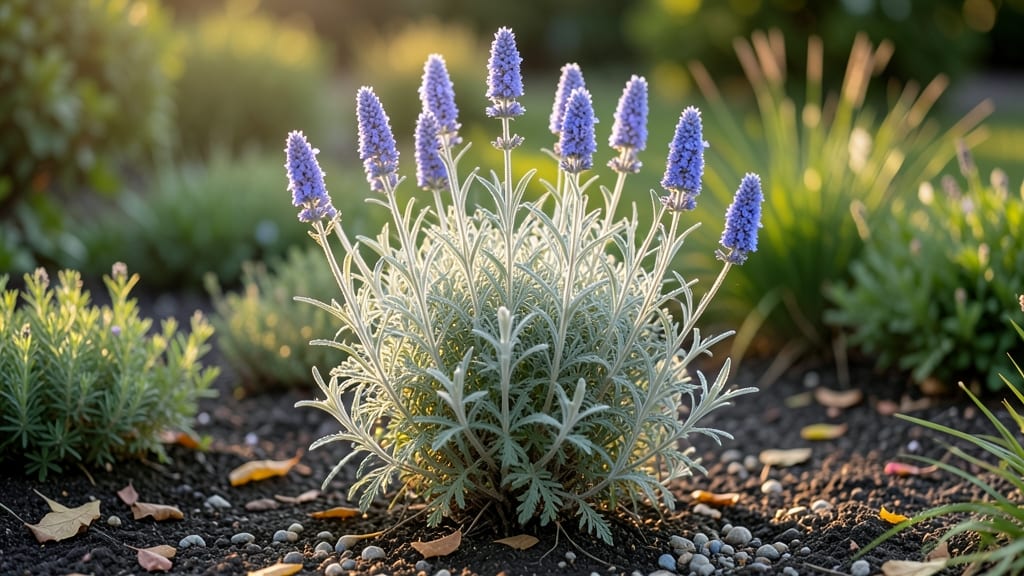
If you're waiting for the stunning lavender-blue blooms of Russian Sage to flower, timing is everything—and it depends on where you live. This hardy perennial typically bursts into flower between July and September, but the exact window shifts dramatically depending on your USDA zone.
In cooler climates like Zone 6a, where I garden, Russian Sage often starts flowering in late July, while in warmer southern zones, the blooms may appear as early as June.
The key to getting the most out of your plant lies in understanding these seasonal cues and how sunlight, soil, and even pruning habits can nudge the timing just right.
What makes Russian Sage so special isn't just its 6-8 week flowering season, but how it pairs perfectly with other late-summer perennials.
Whether you're planning a pollinator-friendly border or a drought-resistant landscape, knowing when to expect those signature purple spikes helps you create a garden that stays vibrant well into fall.
Let me show you exactly how to predict your Russian Sage's bloom time, extend its flowering season, and even troubleshoot if your plant seems late to the party. By the end, you'll know exactly when to expect those fragrant clusters—and how to keep them coming back year after year.
Russian Sage flowering timeline by USDA Zone: what months to expect blooms
Russian sage (Perovskia atriplicifolia) is famous for its long-lasting lavender-blue blooms that dance in the breeze, but timing varies wildly depending on your USDA zone.
In cooler climates like Zone 4, you might see blooms as early as June, while Zone 10 gardeners enjoy flowers stretching into November. Understanding these patterns helps you plan companion plants and extend the blooming season.
The key factor is frost timing—Russian sage needs warm soil to trigger flowering, so earlier zones get delayed starts. Meanwhile, warmer zones often experience longer bloom periods with minimal care. Let’s break down exactly when to expect those signature spikes of color in your area.
| USDA Zone | Bloom Start | Peak Bloom | Bloom End | Duration | Notes |
|---|---|---|---|---|---|
| 4-5 | Late June | July-August | Early September | 8-10 weeks | Shortest season; frost risk |
| 6-7 | Early June | July-September | Mid-October | 12-14 weeks | Ideal for cut flowers |
| 8-9 | May | June-October | November | 16-18 weeks | Longest bloom time |
| 10 | April | May-November | December | 20+ weeks | Near-continuous blooms |
In Zones 4-5, Russian sage often starts blooming in late June after the soil warms, with peak color in July and August. These cooler climates have the shortest bloom windows, typically ending by early September if frost arrives.
To protect blooms, consider covering plants with frost cloth in late fall.
Gardeners in Zones 6-7 enjoy a longer show, with blooms beginning as early as June and lasting until mid-October. This makes Russian sage a star in late-summer gardens, pairing beautifully with black-eyed Susans or goldenrod.
The extended heat of these zones helps the plant re-bloom after deadheading.
For Zones 8-9, the flowering season stretches from May through October, with some varieties continuing into November. The mild winters in these areas mean minimal frost damage, allowing Russian sage to retain its foliage longer and rebloom in spring.
This makes it a low-maintenance perennial for drought-prone landscapes.
In Zone 10, Russian sage often blooms nearly year-round, with April starts and December finishes. The consistent warmth eliminates seasonal stress, resulting in vibrant, dense blooms that attract pollinators continuously. However, overwatering can reduce flowering, so well-draining soil is critical.
Climate factors like rainfall and humidity also play a role. Drier climates (e.g., Zone 7b) may see more prolific blooms because Russian sage hates soggy roots. Meanwhile, humid zones (e.g., Zone 8a) might experience powdery mil
How to extend Russian Sage blooming season: pruning and care tips
Russian Sage (Perovskia atriplicifolia) is famous for its long, lavender-blue flower spikes, but many gardeners miss out on its full potential because they don't know how to extend the blooming window.
The key lies in strategic pruning and consistent care—two factors that can transform a 6-week display into a 3-month spectacle. I've learned through trial and error that timing is everything, especially in my Zone 6a garden where late frosts can cut blooms short.
Most gardeners focus on pruning after flowering, but the real secret to a longer bloom season starts in late winter or early spring. This is when you shape the plant to encourage dense growth, which directly impacts how many flower spikes it produces.
Skipping this step often means fewer blooms and a shorter season. Let me walk you through the exact techniques I use to keep my Russian Sage flowering well into October.
🌿 5 Pro Tips to Extend Russian Sage Blooms
- Prune in late winter (Feb-Mar) – Cut back 1/3 of the plant to encourage fresh, vigorous growth. This jumpstarts blooming 4-6 weeks earlier than unpruned plants.
- Deadhead spent blooms – Snip off faded flower spikes right at the base to redirect energy to new growth. This extends blooming by 2-3 weeks in my garden.
- Water deeply but infrequently – Russian Sage is drought-tolerant, but 1-inch of water every 7-10 days keeps stems sturdy and supports longer blooms. Avoid soggy soil!
- Fertilize lightly in spring – Use a balanced 5-10-10 fertilizer in April to boost growth without overfeeding. Too much nitrogen = fewer flowers!
- Avoid fall pruning – Never cut back after October 1st—this removes next year's flower buds! Let the plant go dormant naturally.
One common mistake I see is over-pruning in fall, which can leave plants vulnerable to winter dieback. Russian Sage stores energy in its woody stems, so cutting back after the first frost removes next year's blooms.
I always mark my calendar to prune in February—just as new growth begins—to give the plant time to recover before summer heat arrives.
Another game-changer is mulching around the base with 2-3 inches of organic mulch (like shredded bark). This keeps roots cool in summer and retains moisture, which is crucial for maintaining those long flower spikes.
In my Zone 6a garden, mulching has helped my Russian Sage bloom 2 weeks longer than unmulched plants.
If your Russian Sage isn't flowering as long as you'd like, check these two things first: sunlight exposure and soil drainage. Russian Sage needs 6+ hours of full sun daily—any less and blooms will be sparse.
And if your soil stays soggy, the roots suffocate, leading to weak growth. Amend heavy clay with compost or sand to improve drainage.
With these techniques, you can turn your Russian Sage into a late-summer superstar that keeps bees buzzing and your garden vibrant well into fall. The best part? These methods work across all USDA zones—just adjust your pruning timing based on your local frost dates. 🌸