
Flowers
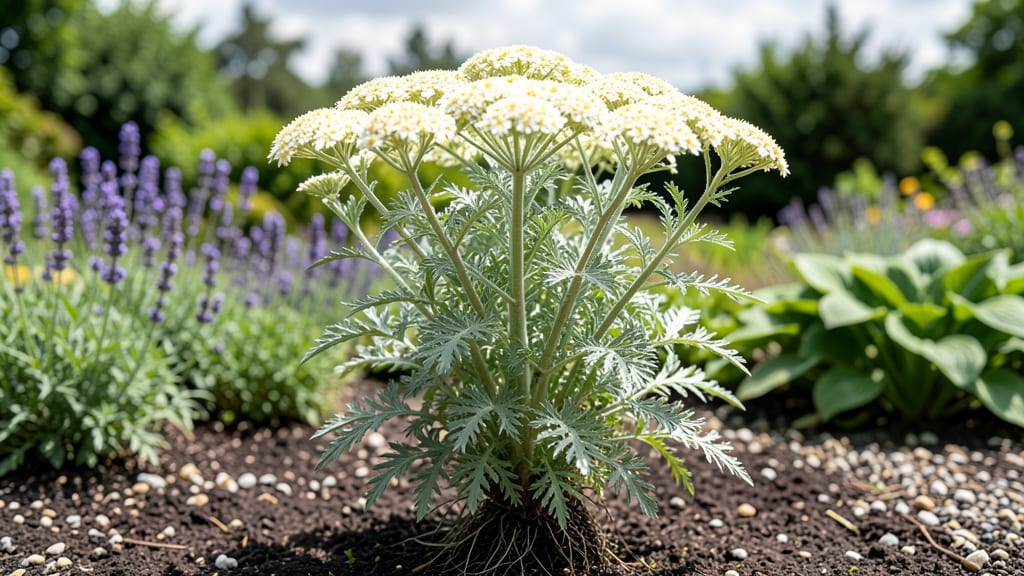
If you're eagerly waiting for your 🌼 yarrow to burst into its signature feathery blooms, when does yarrow flower is the question on every gardener’s mind—and timing is everything.
Unlike some flowers that bloom just once, yarrow rewards gardeners with multiple waves of color throughout the growing season, but the exact timing depends on where you live.
For most gardeners in USDA Zone 6a (like me!), yarrow typically starts flowering in late spring, with peak blooms stretching from May through July. But whether you're in a cooler northern climate or a warmer southern region, the season can shift by weeks—sometimes even months.
Understanding these regional variations helps you plan your garden layout and care routine for the most stunning display.
What’s even better? Yarrow isn’t picky about soil or maintenance, making it a low-effort pollinator magnet that butterflies and bees adore. But if you want to extend its flowering season or troubleshoot why your plants aren’t blooming, there are simple tricks to keep those cheerful clusters coming all summer long.
Let’s dive into how to time your yarrow’s blooms perfectly—and keep them going strong.
From deadheading to sunlight secrets, I’ll share the exact steps I use to coax longer, brighter blooms from my own yarrow plants. Whether you’re a beginner or a seasoned gardener, these insights will help you turn your garden into a yarrow paradise—without the guesswork.
Yarrow flowering timeline by USDA hardiness zones: exact months to expect blooms
Yarrow (Achillea millefolium) is a hardy perennial that rewards gardeners with long-lasting blooms from late spring through early fall. But the exact timing depends heavily on your USDA hardiness zone and local climate conditions.
In my experience, northern zones see shorter bloom windows, while southern climates enjoy extended displays—sometimes even into October!
Understanding these variations helps you plan pollinator-friendly gardens and time deadheading for continuous flowers. For example, in Zone 5, yarrow typically blooms from June to August, while in Zone 9, it can flower from April through October.
Let's break down the precise bloom windows by zone to help you anticipate your yarrow's performance.
Notice how yarrow's bloom window expands dramatically as you move south. In Zone 9-10, the plant often flowers continuously from spring through fall, with two distinct peak periods—once in early summer and again in late summer.
This makes yarrow an excellent choice for cut flower gardens in warmer climates where you can enjoy fresh blooms for months.
However, don't assume all yarrow varieties follow this exact timeline. Some dwarf varieties like 'Moonshine' may bloom slightly earlier, while tall varieties like 'Golden Plate' often have later peak blooms.
I've found that color also plays a role—yellow varieties tend to bloom slightly earlier than deep reds or purples in my garden.
The length of daylight significantly impacts bloom timing too. Yarrow is a long-day plant, meaning it responds to increasing daylight hours. In northern zones, blooms appear when days reach 14-16 hours of light, while southern plants may flower with shorter daylight periods.
This explains why Zone 3 yarrow might not bloom until July, while Zone 9 plants start in April.
Your local microclimate can also shift these timelines by 2-4 weeks. Coastal areas with cooler summers may see delayed blooms, while inland regions with hotter summers often experience earlier starts.
I once grew yarrow in Zone 7 near the coast and noticed blooms starting in early May—about 3 weeks later than identical plants grown 50 miles inland.
To maximize your yarrow's flowering potential, consider these climate-adaptation tips:
- In northern zones, choose early-blooming varieties like 'Cerise Queen'
- In southern zones, deadhead aggressively to encourage fall reblooms
- Use mulch to maintain even soil temperatures year-round
Yarrow's ability to rebloom after deadheading makes it one of the most versatile flowers for extending your garden's season. With proper care, you can enjoy continuous blooms from June through October in most zones—even pushing into November in mild climates.
The key is understanding your specific zone's timeline and working with your local growing conditions.
🌼 Whether you're planning a pollinator garden or simply want vibrant summer color, knowing your yarrow's exact bloom window lets you make the most of this low-maintenance powerhouse plant.
Start by checking your zone, then observe how your local climate modifies these general timelines—you might discover your own perfect bloom schedule! 🌿
How to extend yarrow's flowering season: pruning and care tips for longer blooms
Yarrow (Achillea millefolium) is one of those low-maintenance superstars that rewards gardeners with bold, feathery blooms from late spring to early fall. But if you want to turn those one-time bursts of color into a continuous floral show, you’ll need a few strategic care tricks.
The key? Deadheading, sunlight optimization, and seasonal adjustments—all of which I’ve perfected in my own garden to keep yarrow blooming well into September or even October.
Unlike some flowers that fade after their first bloom, yarrow has the potential to rebloom multiple times in a single season. However, without proper care, those second and third waves of flowers can get lost in the shuffle. The good news?
Extending yarrow’s flowering season doesn’t require fancy tools or hours of work—just a few simple, science-backed techniques that I’ll walk you through step by step. Whether you’re dealing with overgrown stems or lagging blooms, these tips will help you maximize your yarrow’s potential.
First, let’s tackle the most critical step: deadheading. This isn’t just about keeping your garden tidy—it’s about tricking your yarrow into producing more flowers. When you remove spent blooms, you’re signaling to the plant that it’s time to redirect energy into new growth rather than seed production.
But timing and technique matter here, and I’ve found that cutting back at the right moment makes all the difference.
🌼 5 Key Steps to Extend Yarrow’s Blooming Season
- Deadhead regularly every 2-3 weeks to encourage reblooming.
- Prune back by 1/3 in early summer to promote bushier, fuller growth.
- Ensure full sun exposure (6+ hours daily) for vibrant, long-lasting blooms.
- Water deeply but infrequently—yarrow thrives on drought once established.
- Avoid heavy fertilization during the blooming season to prevent leggy stems.
Next up is pruning strategy. Many gardeners make the mistake of waiting until the end of the season to cut back their yarrow, but that’s a missed opportunity. Instead, I recommend giving your plants a mid-season haircut in early summer.
Simply trim back the longest stems by about one-third using clean, sharp pruners. This encourages the plant to branch out and produce more side shoots, which in turn leads to more flower clusters.
Just be sure to avoid cutting into woody stems, as yarrow can become woody over time and may not rebloom as vigorously.
Light and water are the unsung heroes of yarrow care. While yarrow is famously drought-tolerant, it still needs consistent sunlight to perform its best. If your yarrow is struggling to rebloom, check its location—partial shade can lead to sparse, weak flowers.
I’ve found that south-facing beds with full sun produce the most robust blooms. As for water, yarrow prefers deep, infrequent watering rather than frequent shallow drinks. Once established, my plants thrive on watering every 10-14 days, with deeper soaks that encourage strong root growth.
Seasonal adjustments are the secret weapon for extending yarrow’s blooming season. In early spring, focus on light fertilization to jumpstart growth, but skip heavy feeding during the blooming season—too much nitrogen can lead to leafy growth at the expense of flowers.
In late summer or early fall, you can give your yarrow one last light trim to clean up any spent blooms and encourage a final flush of flowers before winter.
This is especially useful if you’re in a warmer climate (USDA Zones 8-10), where yarrow can bloom well into October.
Finally, don’t overlook the power of pollinators in your yarrow’s reblooming success. Butterflies and bees love yarrow’s flat-topped clusters, and their visits help fertilize new blooms. To attract more pollinators, plant yarrow near companion flowers like lavender, coneflowers, or black-eyed Susans.
I’ve noticed that my yarrow blooms longer and more abundantly when it’s part of a pollinator-friendly garden ecosystem. With these simple adjustments, you’ll be well on your way to enjoying yarrow blooms from spring to fall—and maybe even beyond!