
Vegetables
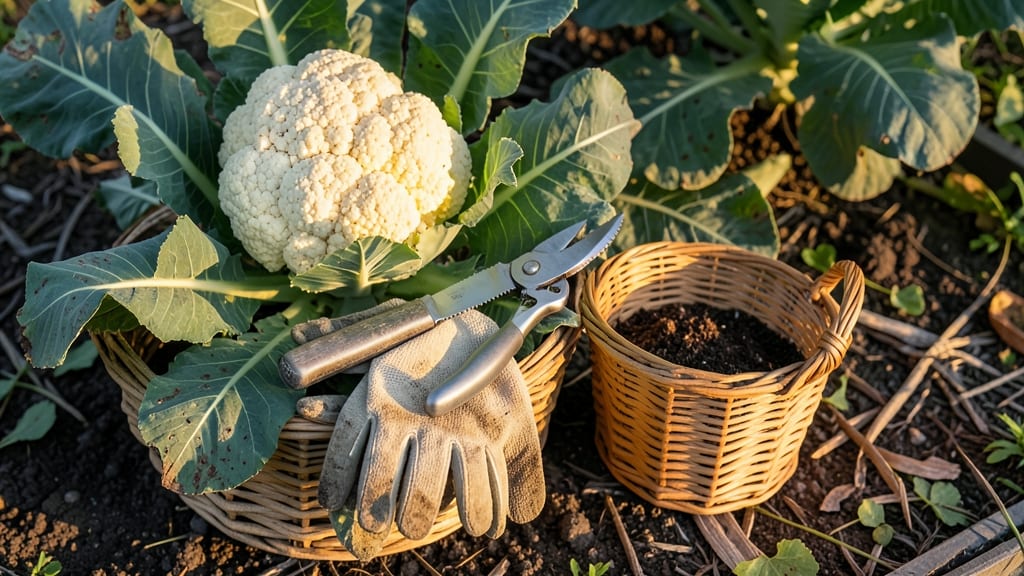
Knowing when is cauliflower ready to be picked means the difference between a perfect head and a bitter, overgrown mess. If you've ever pulled a cauliflower too early—only to find it still rock-hard—or waited too long and watched it turn yellow, you know how frustrating it can be.
Here's the good news: with just three simple checks, you can nail the exact moment your 🥬 is ready. We're talking head size, leaf condition, and that all-important color shift that signals peak flavor.
No guesswork, no wasted effort—just a foolproof way to harvest your crop at its absolute best.
Most gardeners wait around 70 days from transplanting, but that's just a starting point. The real secret lies in what's happening right in front of you: a firm head, tightly wrapped leaves, and a color that's fully developed.
Let me show you exactly what to look for so you never miss the window again.
Whether you're growing purple, white, or green varieties, these same cues apply. By the end, you'll know exactly when to grab your knife and cut that head cleanly at the stem—before it gets away from you. Let's get growing!


3 Visual signs your cauliflower is ready for harvest
Harvesting cauliflower at the right moment ensures tender, flavorful heads packed with nutrients. Waiting too long turns them woody or bitter, while picking too early means small, underdeveloped curds. The key lies in three visual cues that reveal peak ripeness: head size, color development, and leaf condition.
Mastering these signs transforms guesswork into a foolproof harvest strategy.
First, understand that cauliflower varieties differ in timing—some mature in 50 days, while others take up to 100 days. Purple and green varieties often ripen slightly faster than traditional white types.
My own Romanesco plants, for example, reached harvest readiness in just 65 days, while heirloom whites took closer to 80 days. Always check your seed packet for variety-specific guidance.
-
1.
Head Size & Firmness
Ideal: 6-8 inches in diameter, solid and compact when gently squeezed. The curd should feel dense like a firm apple, not spongy or hollow.
Not Ready: Smaller than 4 inches or still loosely formed with gaps between florets. -
2.
Color Development
White Varieties: Uniform creamy white (no yellowing or browning). Purple types should be deep violet with no green streaks.
Green Varieties: Bright lime green with no dulling. Check the underside of leaves—yellowing means it's overripe.
Overripe Sign: Any brown or yellow discoloration on the curd or leaves. -
3.
Leaf Condition
Perfect Leaves: Outer leaves should be tightly wrapped around the head, crisp, and green (or variety-specific color). The stem should snap cleanly when twisted gently at the base.
Warning Signs:- Leaves yellowing or wilting = overripe
- Leaves pulling away from the head = bolting (flowering)
- Brown spots on leaves = disease or heat stress
Pro tip: For Romanesco or purple cauliflower, the color should be vibrant and uniform—no pale patches. I once harvested a purple variety too early because the color looked "close enough," but the head was still loosely formed inside.
Always double-check firmness by pressing gently; if it leaves a dent, wait 2-3 more days.
Timing matters even within the same variety. In my Zone 6a garden, June-planted cauliflower reaches harvest in late July to early August, while September plantings mature in October. Cooler temperatures slow growth, so fall crops often take 5-7 extra days to reach readiness compared to spring plantings.
One common mistake is focusing only on head size while ignoring leaf health. I learned this lesson with my Orange cauliflower last year—the heads were the right size, but the leaves were yellowing at the edges, signaling the plant was stressed and overripe.
Always examine the entire plant, not just the curd.
For container-grown cauliflower, check readiness more frequently since space constraints can accelerate maturity. In 10-gallon pots, I've seen heads mature 3-5 days faster than in-ground plants. If your pot-bound cauliflower shows all three readiness signs, harvest immediately to prevent the plant from bolting prematurely.
Remember: The earlier you harvest, the better the texture and flavor. Once the head starts to open or flower, the curd becomes woody and bitter.
My Italian heirloom variety, for example, loses its delicate sweetness within 48 hours of flowering. When in doubt, harvest slightly underripe—cauliflower won't continue maturing after picking.
Finally, store harvested cauliflower properly to maintain freshness. Wrap the head in a damp paper towel and place it in a plastic bag in the fridge. This keeps it crisp for 5-7 days.
If you've harvested more than you can use, consider blanching and freezing for later—just be sure to blanch within 24 hours of picking for best results.
How to avoid overripe or underripe cauliflower mistakes
Harvesting cauliflower at the wrong stage ruins all your hard work. Overripe heads turn yellow and woody, while underripe ones stay small and tough. The key is timing—especially since different varieties mature at slightly different rates.
For example, purple cauliflower often ripens faster than white varieties, so you’ll need to check them more frequently.
Most gardeners assume a 70-day timeline from transplanting, but that’s just a baseline. The real test lies in what you see (and feel) in your garden. A head that’s too small means it needs more time, while one that’s too large or starting to open is past its prime.
Let’s break down how to spot these mistakes before they happen.
Don’t wait until the head turns yellow! Cauliflower is ready when:
- Head size: 6-8 inches in diameter (varies by variety)
- Color: Fully developed (white, purple, or green—no pale spots)
- Leaves: Tightly wrapped, crisp, and covering the head
- Stem test: Twists easily with gentle pressure
Miss these signs, and you’ll end up with bitter, tough, or overgrown heads!
One of the biggest mistakes is assuming all cauliflower varieties mature at the same pace. Romanesco, for instance, often takes 80-100 days to reach harvest, while snowball types may be ready in just 60-70 days.
Always check your seed packet for specific days-to-maturity and adjust your harvest schedule accordingly.
Another common error is ignoring the leaf condition. If the outer leaves start to yellow or pull away from the head, your cauliflower is already past its peak. These leaves aren’t just for looks—they protect the head from sun exposure, which can cause discoloration or even bolting (premature flowering).
Keep an eye on them daily during the final weeks of growth.
For container-grown cauliflower, timing becomes even trickier because space is limited. If you’re growing dwarf varieties like ‘Purple of Sicily’, harvest as soon as the head reaches 4-5 inches—any larger, and the plant may struggle to support it.
Always use a sharp knife to cut the stem cleanly, leaving a few inches of stalk to encourage any side shoots to form.
Finally, don’t let heat stress fool you. If temperatures rise above 85°F (29°C), cauliflower heads may bolt prematurely or develop loose, uneven curds.
If this happens, harvest what you can immediately—even if the heads aren’t perfect—and focus on protecting future plants with shade cloth or afternoon watering to keep the soil cool.