
Flowers
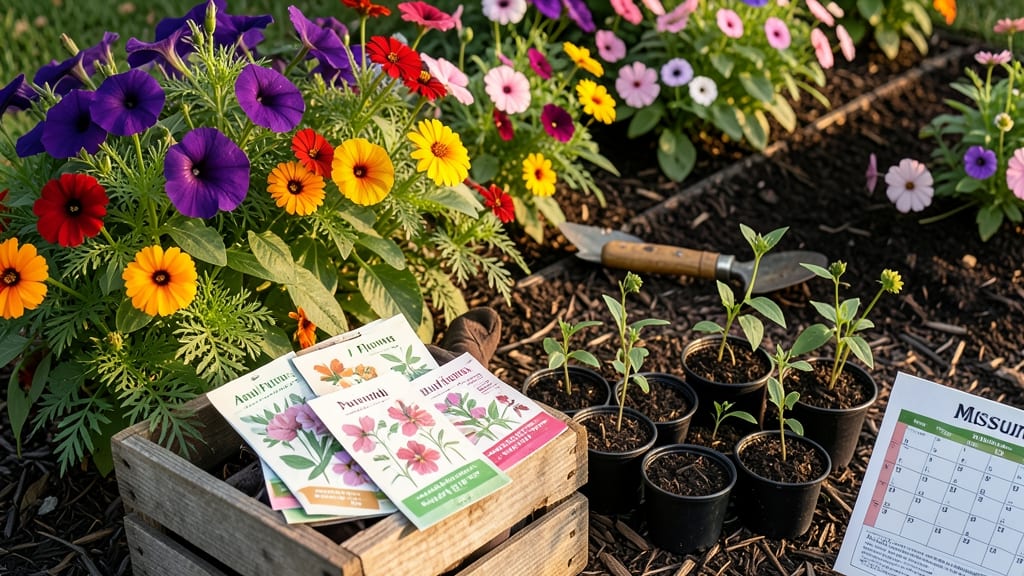
Waiting until it is safe to plant flowers in Missouri—typically mid-April to early May—isn’t just about avoiding frost; it’s about giving your garden the best shot at vibrant blooms all season long.
Missouri’s 5b-6b hardiness zones mean spring can swing wildly from icy nights to scorching days, so timing matters more than you might think. Plant too soon, and a late frost could wipe out your tender seedlings; too late, and summer’s heat arrives before your flowers even sprout.
I’ll break down exactly when to plant—whether you’re growing heat-loving annuals or hardy perennials—plus how to prep your soil and protect your blooms from Missouri’s unpredictable weather. Let’s make sure your garden thrives, not just survives.
From St. Louis to Kansas City, we’ll cover regional frost dates, soil temperature tips, and the best flower varieties for your zone. Ready to turn your garden into a summer-long showstopper?
Missouri last frost dates by region: when to plant flowers safely
Missouri’s diverse geography means last frost dates can vary by hundreds of miles—from southern regions like Poplar Bluff to northern areas near St. Joseph. These differences determine whether your marigolds or petunias thrive or wilt.
Understanding your specific last frost date helps you time plantings for maximum bloom potential without frost damage.
Missouri spans USDA Hardiness Zones 5b-6b, but microclimates—like urban heat islands or sheltered valleys—can shift frost dates by 1-2 weeks. For example, St. Louis typically sees its last frost around April 15, while Kansas City may wait until April 25.
Always check local records or use a frost calendar from your county extension office for precision.
Comparison of Missouri Regions' Last Frost Dates
| Region | Average Last Frost | USDA Zone | Safe Planting Window | Microclimate Notes |
|---|---|---|---|---|
| St. Louis | April 15 | 6a | April 20-May 5 | Urban areas warm 2-3°F faster; valleys stay cooler. |
| Kansas City | April 25 | 6b | May 1-May 15 | Northwest winds delay frost; south-facing slopes warm earlier. |
| Columbia | April 10 | 6a | April 15-April 30 | River valleys retain cold air; hills warm faster. |
| Springfield | April 20 | 6b | April 25-May 10 | Ozark foothills can have late frosts; city areas warm quicker. |
| Poplar Bluff | March 25 | 7a | April 5-April 20 | Longer growing season; plant tropical flowers like hibiscus earlier. |
| Joplin | April 18 | 6b | April 25-May 5 | Ozark microclimates can have sudden late frosts. |
| Sedalia | April 12 | 6a | April 15-April 25 | River bottoms stay colder; uplands warm faster. |
| St. Joseph | April 28 | 5b | May 5-May 20 | Northern exposure delays warming; use row covers for early plants. |
| Cape Girardeau | March 30 | 7a | April 5-April 15 | Mississippi River moderates temperatures; plant heat-loving flowers early. |
| Jefferson City | April 14 | 6a | April 20-April 30 | Hilly terrain creates temperature variations by 5°F. |
| Hannibal | April 22 | 6b | April 25-May 10 | Mississippi River influence shortens frost risk. |
Use the USDA Plant Hardiness Zone Map to cross-reference your region’s last frost date with your flower variety’s cold tolerance. For example, zinnias (Zone 4-9) can handle Missouri’s late frosts, while geraniums (Zone 10+) need row covers until May.
Always plant warm-season flowers like sunflowers only after soil reaches 60°F.
Missouri’s first frost
Best flower types to plant after last frost in Missouri (with heat tolerance guide)
Once Missouri’s last frost date has passed—typically around April 15-30 depending on your region—it’s time to get planting! The key to a stunning garden is choosing heat-tolerant flowers that thrive in Missouri’s 5b-6b zones.
Some varieties love the warmth, while others prefer cooler spring soil. I’ll break down the best options for your post-frost garden, including annuals, perennials, and native wildflowers that won’t wilt in summer’s heat.
For warm-season annuals, wait until soil temperatures hit 60°F or higher—usually late April to early May. These heat-lovers include marigolds, zinnias, and sunflowers, which burst into color once the ground warms up.
Meanwhile, perennials like coneflowers and black-eyed Susans can handle cooler soil and even establish roots in early spring, making them low-maintenance choices for Missouri gardens.
Native wildflowers like purple coneflower and butterfly milkweed are excellent picks—they’re drought-resistant, attract pollinators, and thrive in Missouri’s clay-heavy soil. These plants also support local ecosystems, giving your garden a double benefit. If you’re unsure about timing, stick to transplanting seedlings instead of direct sowing after the last frost to avoid any surprises.
| Flower Type | Planting Window | Heat Tolerance | Sun Needs | Care Tips |
|---|---|---|---|---|
| Marigolds (Annual) | Late April–May | Very High | Full Sun | Deadhead for continuous blooms |
| Zinnias (Annual) | May–June | High | Full Sun | Water at base to prevent mildew |
| Coneflowers (Perennial) | Early Spring or Fall | Moderate | Full Sun | Drought-tolerant once established |
| Butterfly Milkweed (Native) | Late April–May | High | Partial Sun | Attracts monarch butterflies |
| Black-Eyed Susan (Perennial) | Early Spring | Moderate | Full Sun | Cut back in early spring |
If you’re planting annuals like petunias or impatiens, stick to the late April to early May window—these beauties love warmth but can struggle if planted too early.
For perennials like daylilies or bee balm, you can plant them in early spring or fall for the best root establishment. These hardy plants often return year after year, saving you time and effort.
Don’t forget to amend your soil with compost before planting—Missouri’s clay soil can be heavy, and adding organic matter improves drainage and nutrient availability. Water deeply after planting to help roots establish, and mulch around the base to retain moisture and suppress weeds.
With the right flowers and a little prep, your garden will be a summer-long spectacle of color and life.
For extra insurance, keep an eye on your local weather forecasts in late April. If a late frost warning pops up, cover tender seedlings with frost cloth or row covers until temperatures rise.
Once the coast is clear, your garden will be ready to bloom beautifully all season long. Happy planting!