
Pruning
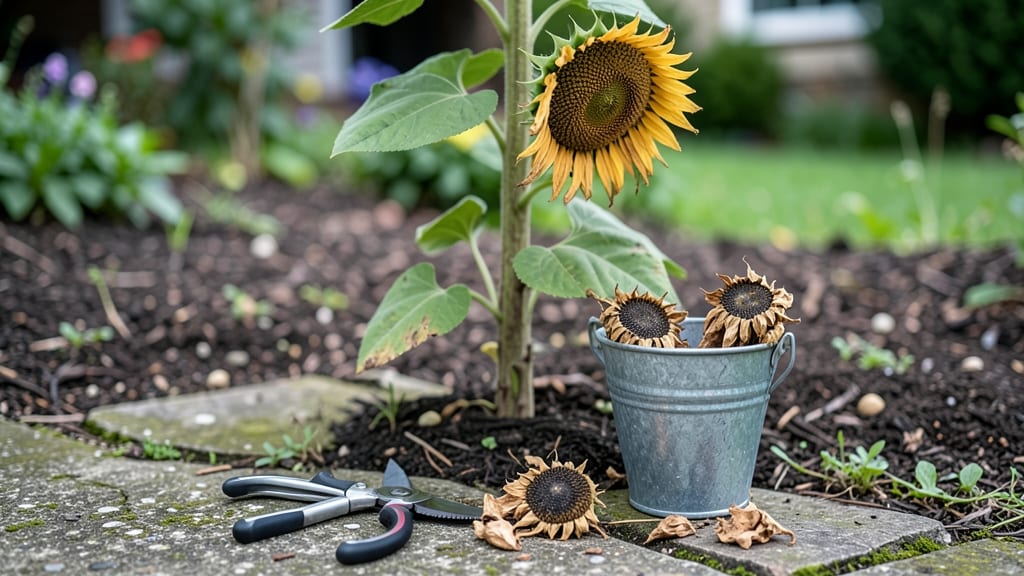
To decide when to cut your sunflower 🌻 heads off, you’re really choosing between two very different outcomes: saving seeds for next year’s garden or keeping those golden blooms on display as long as possible. The wrong move could mean wasted seeds or missed beauty—so timing is everything.
Most gardeners wait until late summer or early fall when the petals have fully dried and turned brown, but there’s more to it than just the calendar.
Whether you’re in USDA Zone 6a or another region, understanding the signs of maturity—like a hollow stem or dark brown center—will help you make the right call.
If your goal is seed saving, cutting too early means immature seeds, while waiting too long risks losing them to birds or weather. For longer blooms, a strategic trim can encourage new flowers—but timing matters here too.
I’ll walk you through both approaches so you can pick what works best for your garden.
Ready to make the most of your sunflowers? Let’s break down the exact steps, from recognizing the perfect moment to handling the cut heads—whether you’re drying them for seeds or arranging them in a vase. Your sunflowers deserve the best care, and this is how you give it to them.
Best time to cut sunflower heads for seed saving (step-by-step guide)
Saving sunflower seeds is one of the most rewarding parts of growing these towering beauties. But timing is everything—cut too early, and you’ll miss viable seeds; wait too long, and birds or weather might ruin your harvest.
The key is knowing when the seed heads are fully mature but still intact. For most annual sunflowers, this happens in late summer to early fall, typically 80-90 days after planting.
First, identify your sunflower’s maturity stage. Look for these three critical signs: the petals should be fully open then drying back, the center should turn a deep brown color, and the back of the petals should turn yellow or tan.
If you tap the stem lightly, it should sound hollow—a sure sign the seeds are ready. These visual cues help avoid the common mistake of cutting too soon.
Step-by-Step Guide to Cutting Sunflower Heads
- 1 Wait for full maturity: Harvest when 90% of petals have turned brown and fallen off, and the seed head is fully brown. This usually occurs in September or October in most U.S. regions.
- 2 Choose the right tools: Use clean, sharp pruners or a handsaw for thick stems. Avoid tearing the head, which can damage seeds. Cut 2-3 inches above the stem base for easier drying.
- 3 Remove excess foliage: Strip off all remaining petals and leaves to speed up drying. This reduces moisture loss and prevents mold. Leave the seed head intact—don’t break it apart yet.
- 4 Dry indoors or outdoors: Hang heads upside down in a dry, well-ventilated area (like a garage or shed) for 2-4 weeks. Avoid direct sunlight, which can overheat seeds. In humid climates, use a dehumidifier or fan to speed drying.
- 5 Test seed viability: Once dry, rub seeds between your fingers—good seeds will feel firm and plump. For extra assurance, plant a few to confirm germination. Store viable seeds in a cool, dark place (like a jar in your fridge) for up to 2 years.
Regional adjustments are crucial. In warmer climates (USDA Zones 8-10), sunflowers may mature earlier—sometimes as early as July. Conversely, in cooler zones (USDA 3-6), wait until late September or October to avoid frost damage.
If you’re in doubt, monitor seed color rather than relying solely on the calendar.
Perennial sunflowers (like Helianthus annuus varieties) follow a similar timeline but may produce seeds over a longer harvest window. These can be cut in stages as different heads mature, giving you a prolonged seed supply. Just ensure each head is fully dry before processing to prevent mold.
After cutting, don’t toss those dried heads! Use them for crafts, bird feeders, or compost. The leftover stems can even be mulched into the soil to add nutrients. Every part of the sunflower has a purpose, making it one of the most sustainable garden plants around.
Pro tip: Label your seed heads with the variety name and harvest date to keep track of different types. This is especially helpful if you’re growing multiple sunflower varieties in your garden. A simple masking tape label tied to the stem works perfectly.
If you miss the ideal cutting window, don’t panic. Sunflower seeds can remain viable for several weeks on the plant, though they’re more vulnerable to birds, squirrels, and weather. Cover heads with fine mesh netting if wildlife is a concern in your area.
Finally, remember that patience pays off with sunflower seeds. Rushing the drying process can lead to shriveled, non-viable seeds, while taking your time ensures a bountiful harvest for next year’s garden. Happy seed saving!
How to extend sunflower blooms: deadheading techniques for longer flowers
If you love the sight of sunflower blooms 🌻 lighting up your garden, deadheading can help you enjoy them longer. The key is timing—cutting too early or too late can actually shorten your display.
For most varieties, the best time to trim faded blooms is when the petals have fully opened but the center hasn't yet turned completely brown. This encourages the plant to redirect energy into producing new buds instead of seed development.
I’ve found that late summer (around August) is ideal for most regions, but your local climate matters. In warmer zones, you might start as early as July, while cooler areas may wait until early September.
The goal is to remove spent blooms before they form seeds, which signals the plant to stop flowering.
⚠️ WARNING: Cutting at the Wrong Time Can Harm Your Sunflowers ⚠️
- Petals are still fresh (green or vibrant yellow centers)
- Seed heads are fully brown and dry (this indicates seed maturity)
- Stems feel solid when tapped (sign of immature growth)
- Petals are fully open but drying (back turns yellow)
- Center is brown but not fully hardened
- Stem feels slightly hollow when tapped
Cutting too early removes potential seed energy; cutting too late wastes the plant's resources on seed development instead of new blooms.
Use clean, sharp pruners or gardening shears to make a clean cut just above a leaf node (where leaves grow). This prevents disease and encourages new growth. Avoid tearing the stem, which can stress the plant. I always sterilize my tools with rubbing alcohol between cuts to prevent bacterial spread.
The science behind this works like magic: when you remove a spent bloom, the plant perceives it as a "failed" flower and redirects energy to produce new buds. This is especially effective in tall varieties like 'Mammoth' or 'Russian Giant', which can produce multiple blooms per stem if encouraged.
For dwarf varieties, deadheading may not yield as many extra flowers but still extends the display.
After cutting, place the blooms in water immediately if you plan to use them in arrangements. For gardeners who want to maximize blooms, I recommend deadheading every 2-3 days during peak flowering season.
This keeps the plant focused on producing new flowers rather than seeds. Just be sure to wear gloves—sunflower stems can be prickly!
Pro tip: If you notice your sunflowers producing fewer blooms later in the season, it might be time to reduce watering slightly (but not drought-stress them) to signal the plant to shift energy toward flowering instead of vegetative growth.
And always remove any yellowing or diseased leaves at the same time to keep the plant healthy.