
Plants
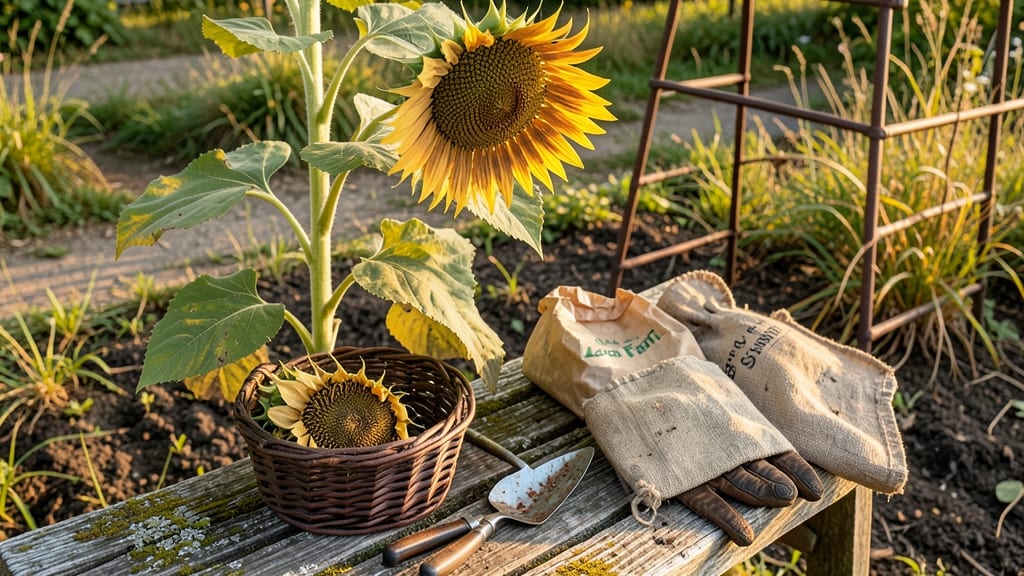
Most gardeners in USDA Zone 6a know the window between September and October is critical, but pinpointing the exact day requires more than just checking the calendar.
I’ll show you how to use the "back-of-head" test and seed color cues to nail the harvest window every time, so you’re never left with bitter disappointment.
Miss the mark, and you might end up with seeds that won’t store well or sprout properly.
That’s why I’ve broken down the signs of ripeness—from the color of the seed head to the sound of the seeds inside—and how to avoid common mistakes that ruin your harvest before it even begins.
Whether you’re saving seeds for next year’s garden or planning to roast them for snacks, knowing when to harvest is the difference between a bountiful yield and wasted effort. Let’s dive into the exact steps to ensure your sunflower seeds are ready for the picking.


The back-of-head test: how to check sunflower seed ripeness
Harvesting sunflower seeds at the perfect moment ensures you get plump, flavorful seeds packed with nutrients. The back-of-head test is my go-to method for determining ripeness—it’s foolproof once you know what to look for.
This simple technique saves you from harvesting too early (and wasting seeds) or too late (and dealing with bird theft or mold). Let’s break down exactly how to use it and what clues to watch for in your sunflower seed heads.
Timing is everything when it comes to sunflower seeds. If you harvest too soon, the seeds won’t be fully developed, and if you wait too long, they’ll dry out or attract pests like squirrels and birds.
The back-of-head test combines visual cues with a tactile check to give you the most accurate reading. I’ve used this method for years, and it’s never failed me—even with my tallest 12-foot sunflowers that seem to grow overnight!
When to Test for Sunflower Seed Ripeness
- 1 Wait for the petals to drop: Most sunflower varieties will naturally shed their yellow petals once the seeds are nearly ready. This usually happens 80-90 days after planting, depending on your USDA zone.
- 2 Check the seed head color: The back of the seed head should turn a dull yellow-brown. If it’s still green or dark brown, wait 3-5 more days. Avoid harvesting if the head is fully black—this means the seeds are overripe.
- 3 Perform the back-of-head test: Hold the seed head firmly in one hand and give it a gentle shake. If the seeds inside rattle loudly, they’re ready. If they sound dull or don’t move, wait another 2-3 days.
- 4 Harvest on a dry day: Choose a sunny, dry morning to harvest. Wet seeds are harder to clean and may develop mold. Use a sharp pruner to cut the seed head from the stem, leaving a 2-inch stalk for easier handling.
- 5 Avoid overharvesting: If you harvest all your sunflowers at once, you risk bird infestations or missed opportunities. Space out harvesting by 2-3 days if you have multiple plants, focusing on the most mature heads first.
The back-of-head test works because it combines two critical indicators: visual maturity (the color change) and tactile readiness (the seed rattle). I’ve found that sunflowers in USDA zones 6-9 typically reach this stage between late September and early October, but cooler climates may delay ripening by 1-2 weeks.
Always monitor your plants closely, especially if you’re growing taller varieties like ‘Mammoth’ or ‘Russian Giant’—they take longer to mature.
One common mistake I see is gardeners waiting until the seed head is fully black. While this might seem like a clear sign of ripeness, it actually means the seeds have dried out too much and lost flavor.
The yellow-brown stage is the sweet spot—seeds are fully developed but still fresh. If you’re unsure, crack open one seed: it should feel plump and firm, not shriveled or hollow.
Regional differences also play a role in sunflower ripening. In warmer climates like zone 10, sunflowers may mature faster and require harvesting as early as August.
Meanwhile, in cooler zones 3-5, a first frost can threaten your harvest, so time your planting to ensure seeds ripen before October 15. If frost is imminent, harvest the seed heads and let them dry indoors.
Pro tip: Hang harvested sunflower heads upside down in a well-ventilated, dry place for 1-2 weeks to finish drying. This prevents mold and makes shelling the seeds easier. Once fully dry, rub the seed head between your hands or use a clean cloth to remove the seeds.
Store them in a paper bag or airtight container in a cool, dark place for up to 6 months.
If you miss the harvest window, don’t panic. Sunflower seeds can sometimes be salvaged if stored properly, but they’ll lose some of
Sunflower seed color guide: what shades mean for harvest timing
Sunflower seed heads go through three distinct color stages that signal ripeness—green, brown, and black. Each shade reveals how close your seeds are to harvest, and ignoring these cues can lead to wasted effort or spoiled seeds.
For example, a green seed head means the seeds are still developing, while a fully brown head with black seeds is ready for picking.
In USDA Zone 6a, where frost arrives by late October, timing is critical. If you miss the yellow-brown transition, your seeds may shrivel or fall victim to birds. I’ve seen gardeners in my region rush to harvest too early, only to find the seeds still hard and unusable.
The color changes aren’t just about aesthetics—they’re your harvest readiness checklist.
| Seed Head Color | Ripeness Stage | Harvest Action | Regional Note (Zone 6a) |
|---|---|---|---|
| Green | Immature | Wait 2-4 weeks | Common in June-July |
| Yellow-Brown | Ripe (ideal harvest) | Pick seeds now | Peak in late August-Sept |
| Fully Brown/Black | Overripe (drying) | Harvest or store quickly | Risk of frost by Oct |
The yellow-brown phase is your sweet spot for harvesting sunflower seeds. At this stage, the seeds are plump, the back of the head feels papery, and shaking it produces a loud rattling sound.
This is when I know it’s time to act—usually in late August or early September in my climate. If you’re in a warmer zone, like Zone 8, you might have a few extra weeks before frost threatens.
Black seeds signal the final stage, where the head is fully dried out. While these seeds are technically harvestable, they’re more prone to cracking or falling out of the head. I’ve learned the hard way that overripe seeds lose viability faster, so I prioritize harvesting during the yellow-brown phase.
For storage, black seeds need extra care—dry them thoroughly to prevent mold.
Regional differences matter too. In cooler areas, like Zone 5, sunflowers mature faster due to shorter summers, while Zone 7+ gardeners often enjoy a longer harvest window. Pay attention to your local frost dates—if a hard freeze is forecasted, harvest even if the seeds aren’t fully black.
I always check the 10-day weather forecast in late September to plan my final harvest.
Pro tip: Use a paper bag to collect seeds from ripe heads. Hang the bag upside-down in a dry, dark place for 1-2 weeks to finish drying. This method preserves seed quality and prevents moisture damage.
Once fully dry, store them in an airtight container for up to 2 years—just like I do with my saved seeds for next spring’s garden.
🌻