
Flowers
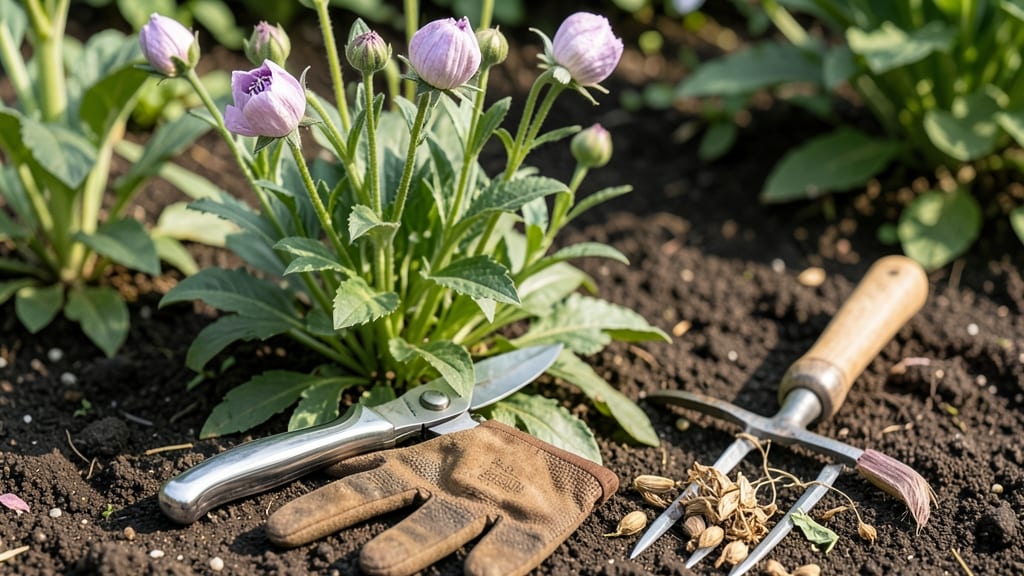
Cutting back your Balloon Flower 🌸 at the wrong time could mean fewer blooms next season—or worse, a plant that struggles to survive winter. The key to keeping these vibrant flowers thriving lies in understanding the perfect moment to trim, which varies by season and climate.
Most gardeners make the mistake of waiting until the plant looks completely spent, but the best time to prune is actually late fall, right after the first frost when foliage turns brown.
This gives your Balloon Flower time to recover before winter sets in, ensuring stronger roots and more abundant blooms in spring.
If you're in USDA Zone 6a, aim to finish pruning by mid-October—before the ground freezes. For those in warmer regions, early spring deadheading (just as new growth appears) can also encourage a second flush of flowers.
Let me show you exactly how to time it right for your garden.
Whether you're a seasoned gardener or just starting with Balloon Flowers, these simple steps will help you avoid common pruning mistakes and keep your plants healthy year after year. Ready to learn the best approach for your climate?
Optimal deadheading timeline for balloon flowers by season
Balloon flowers (Platycodon grandiflorus) thrive when you time their deadheading just right.
The key is balancing bloom removal with plant energy reserves—cut too soon, and you stunt next year’s growth; wait too long, and you miss the chance to redirect energy for stronger roots. Seasonal timing is everything, especially since these perennials grow in USDA zones 3-9 with distinct seasonal shifts.
I’ve gardened with balloon flowers for years, and I’ve learned that late summer to early fall is the sweet spot for most regions, but adjustments are needed for cooler climates or hotter summers.
Deadheading isn’t just about snipping spent blooms—it’s about preserving plant health while encouraging reblooming. Balloon flowers naturally produce seed pods after flowering, but leaving them can drain energy. The goal is to remove faded blooms before seed heads form, typically when petals turn brown or wilt.
In my experience, this timing varies by climate zone and bloom cycle, which is why a seasonal guide is essential.
| Season | Deadheading Window | Visual Cues | Climate Adjustments |
|---|---|---|---|
| Spring | Late May–June (after first bloom) | Petals wilt, stems turn woody | Wait until soil warms (60°F+) |
| Summer | July–August (every 2–3 weeks) | Seed pods begin forming | Avoid in drought—prune after rain |
| Fall | September–October (post-bloom) | 90% of blooms faded | Stop by first frost in Zone 4+ |
| Winter | None (dormant phase) | Brown foliage remains | Mulch 3 inches deep for protection |
In spring, your first deadheading should happen after the initial bloom flush, typically in late May or June. Look for wilting petals or stems that feel woody—these are your cues.
I’ve noticed that in cooler climates (Zones 3–5), plants may bloom later, so hold off until soil temperatures reach 60°F or warmer. Early pruning can shock the plant before it’s ready to redirect energy to roots.
Summer is the most active blooming period for balloon flowers, so deadheading becomes a regular task. Aim to remove spent blooms every 2–3 weeks to encourage continuous flowering.
The trick is to cut just above the next set of leaves or leaf nodes, which signals the plant to produce new growth. In hot, dry regions, prune after a rainy day to reduce stress on the plant.
Fall deadheading is critical for next year’s blooms. By September or October, most balloon flowers will have finished their main bloom cycle. Wait until 90% of flowers are faded before cutting back—this ensures the plant has stored enough energy for winter.
In warmer climates (Zones 8–9), you might see a second flush of blooms, so adjust your timing accordingly. Stop pruning by the first frost in colder zones to avoid damaging new growth.
Winter care is minimal for balloon flowers, but mulching is key. Once the plant enters dormancy, focus on protecting the rhizomes with a 3-inch layer of mulch. Avoid pruning during winter, as the plant relies on stored energy to survive.
In Zone 4 or colder, you might see brown foliage remain—this is normal and should be left until spring.
Regional adjustments are essential. For example, in Pacific Northwest gardens, where summers are mild, deadheading can extend into early October. Conversely, in Southern states, balloon flowers may bloom later into fall, so prune accordingly.
Always monitor your plant’s growth cues—if new buds form after a pruning, you’ve timed it right!
One common mistake I’ve seen is over-pruning in late summer, which can weaken the plant before winter. Another is ignoring seed pods, which drain energy. Remember, the goal is to balance bloom removal with plant health.
With the right timing, your balloon flowers will reward you with vibrant blooms for years.
Pro tip: Use clean, sharp pruners to avoid damaging stems. Always sterilize tools with rubbing alcohol between cuts to prevent disease. After deadheading, water deeply to help the plant recover—this is especially important in hot, dry summers.
How to prune balloon flowers correctly: Step-by-Step technique
Pruning Balloon Flowers 🌸 correctly ensures they return with vigor next season. The key is to cut back at the right height and time, using the proper tools and technique.
Start by identifying the leaf nodes—these are the points where new growth emerges. Always cut just above a leaf node to encourage healthy regrowth.
Your pruning tools matter too. Use clean, sharp pruners (not shears) to make precise cuts without crushing stems. Disinfect your tools with rubbing alcohol before and after use to prevent spreading disease. Avoid using dull blades, as they tear plant tissue and invite infections.
Step-by-Step Pruning Guide
- 🌿 Step 1: Wait for Fall Dormancy
Prune after the first frost when foliage turns brown (typically October-November in Zone 6a). - 🌱 Step 2: Cut Back to 2-3 Inches
Trim stems down to 2-3 inches above ground, leaving healthy leaf nodes intact. - ✂️ Step 3: Use Clean Pruners
Make cuts at a 45-degree angle above a leaf node to prevent water pooling. - 💧 Step 4: Water Thoroughly
Water deeply after pruning to help roots recover and establish before winter. - 🌡️ Step 5: Mulch for Protection
Apply 2-3 inches of mulch around the base to insulate rhizomes and retain moisture.
When pruning, never cut into the rhizomes—these underground stems store energy for next year’s growth. If you accidentally damage them, your plant may fail to bloom or even die. Instead, focus on removing dead or diseased foliage first, then trim healthy stems to the recommended height.
After pruning, monitor your Balloon Flowers 🌸 for signs of stress, like yellowing leaves or wilting. If you notice these, reduce watering slightly and avoid fertilizing until new growth appears in spring.
A light application of compost or balanced fertilizer in early spring will give your plants the nutrients they need to rebound.
For gardeners in warmer climates, you can also prune lightly in early spring (March-April) to encourage a second flush of blooms. Simply trim back any dead stems and shape the plant, but avoid heavy pruning until fall.
This approach works best for Zone 7 and above, where winters are milder.
With the right technique, your Balloon Flowers will reward you with bold, vibrant blooms year after year. The key is patience—let the plant rest after pruning, and it will surprise you with its resilience. Happy pruning! ✂️🌿