
Flowers
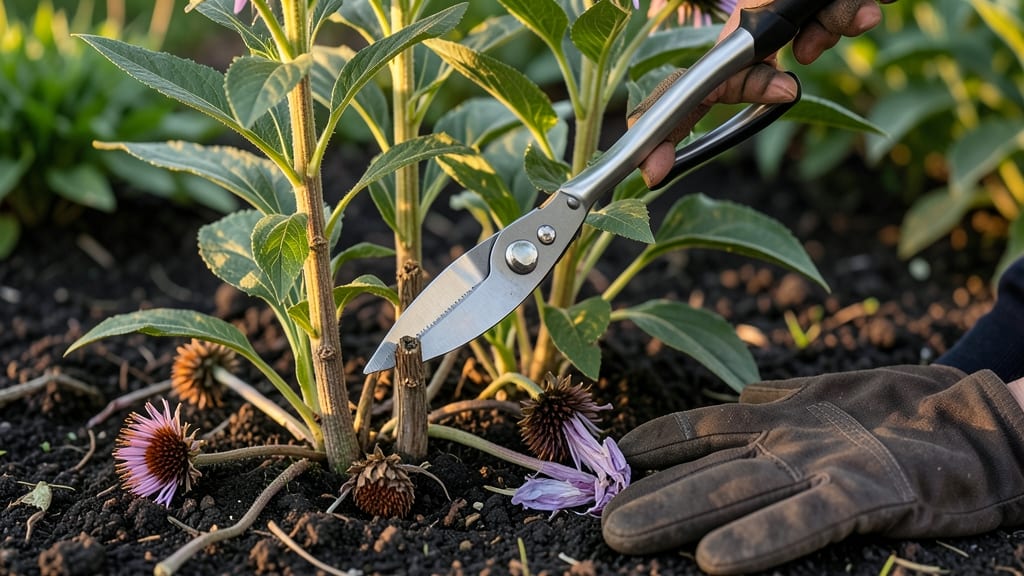
If your coneflowers 🌼 aren’t putting on their usual spectacular show, the best time to cut back coneflowers might be the key to reviving their vigor. Cutting back these hardy perennials at the wrong time can actually harm next year’s blooms instead of helping them.
Most gardeners make the mistake of pruning too early or too late, but there’s a sweet spot in late winter that makes all the difference. When you time it right—just before new growth appears—you’ll encourage stronger stems and more vibrant flowers while keeping pests at bay.
I’ll walk you through the exact window for cutting back coneflowers in your zone, plus what to watch for to avoid common mistakes. Whether you’re in a cold climate or a milder region, these tips will help you get it right every time.
Ready to transform your garden? Let’s dive into the best practices for giving your coneflowers the fresh start they deserve—without sacrificing next season’s beauty.
Best late winter timing for cutting back coneflowers (and why it matters)
Coneflowers (Echinacea) are tough perennials that thrive with minimal fuss, but their late winter pruning is one task that can make or break next year’s blooms. The key? Timing it just right—too early, and you risk damaging new growth; too late, and you invite pests and disease.
I’ve found that February to early March is the sweet spot for most climates, but regional adjustments are crucial for healthy plants.
Pruning at this time removes dead foliage and diseased stems while allowing the plant to focus energy on root development before spring. It’s also when coneflowers are dormant, making them less stressed. Think of it as giving your plants a fresh start—like a spa day for your garden!
Here’s the science: Late winter pruning reduces fungal risks by removing overwintering spores. Plus, it clears space for new shoots to emerge stronger.
But timing varies by zone—mild climates (like Zone 8+) may need to wait until late March, while colder zones (Zone 5-6) can start as early as February.
🌱
| Climate Zone | Ideal Pruning Window | Key Signs It’s Time | Why This Matters |
|---|---|---|---|
| Zones 3-5 (Cold Climates) | Late February–Early March | Soil thawed 2-3 inches deep; no new growth visible | Prevents frost damage to fresh cuts; reduces fungal buildup |
| Zones 6-7 (Moderate Climates) | Early–Mid March | Daytime temps consistently above 40°F; foliage still brown | Balances disease prevention with early growth stimulation |
| Zones 8-10 (Mild Climates) | Late March–Early April | No frost risk; soil warm to touch | Avoids accidentally cutting new shoots in warm winters |
To spot the perfect moment, look for dormant stems with no green shoots. Gently tug on the foliage—if it pulls away easily, it’s dead and ready to go. Avoid pruning if you see tiny green buds, as these are your plant’s future blooms.
I once cut back too early in Zone 6 and missed half my spring blooms—lesson learned!
Another pro tip: Prune on a dry, sunny day to help cuts dry faster and reduce disease spread. Use sterilized shears (rubbing alcohol works) to avoid transferring pathogens. For large patches, consider a string trimmer for efficiency, but always leave 1-2 inches of stubble to protect the crown.
Why does this timing work so well? Late winter pruning stimulates root growth before the plant diverts energy to foliage. It also improves air circulation, reducing humidity-related diseases like powdery mildew.
Plus, it makes your garden look tidy—because let’s face it, no one wants a winter mess of dead stems!
If you’re in a snowy region, wait until snowmelt reveals the plant’s true state. In drought-prone areas, pruning also helps conserve moisture by reducing leaf surface area. Just remember: never prune in fall, as this can leave plants vulnerable to winter damage.
For young coneflowers (under 2 years old), hold off on heavy pruning—they need all their energy for establishment. Instead, just remove obviously dead stems. Older plants, though, will reward you with bigger, healthier blooms if pruned correctly.
I’ve seen coneflowers in my Zone 7 garden go from sparse to lush just by nailing the timing!
🌿
Step-by-step guide: how to prune coneflowers without harming next year’s blooms
Pruning coneflowers 🌼 correctly is the secret to keeping them healthy and blooming like crazy next season. The key is removing last year’s dead foliage without cutting into the new growth that’s just starting to peek through the soil.
I’ve pruned hundreds of coneflowers over the years, and I’ve learned that the right technique makes all the difference in preventing disease and encouraging strong stems.
Before you grab your shears, gather your tools: sharp pruners, gloves, and a sanitizing solution (like rubbing alcohol or bleach water). You’ll also want a garden bag for debris and a mulch to protect the base.
The goal is to clean up while leaving the plant’s energy reserves intact for spring growth.
Step-by-Step Pruning Guide for Coneflowers
- 1 Wait for the right moment: Prune in late winter (Feb–March) when soil is workable but before new shoots appear. In cold zones, wait until after the last frost (typically mid-March).
- 2 Sanitize your tools: Wipe pruners with 70% rubbing alcohol or soak in 1 part bleach/9 parts water to prevent spreading fungal diseases like powdery mildew.
- 3 Cut back dead stems: Use clean pruners to sever stems at ground level, leaving no stubble. Remove all brown foliage but avoid touching green growth hidden beneath.
- 4 Dispose of debris: Place cuttings in a garden bag and remove from the area to prevent pests like slugs or fungal spores from lingering.
- 5 Add mulch: Spread 2–3 inches of mulch around the base to insulate roots and retain moisture. Use organic mulch like shredded bark or straw.
- 6 Fertilize lightly: Apply a balanced fertilizer (5-10-10) in early spring to boost root growth without overstimulating foliage. Use 1 tbsp per plant.
One of the biggest mistakes I see is cutting too early in winter, which exposes the plant to cold damage and pests. Another common error is leaving stubble, which traps moisture and encourages rot or fungal growth. Always cut cleanly at the base to keep your coneflowers thriving.
If you’re pruning a large patch, work in sections to avoid overwhelming yourself. For every 10 plants, take a break to stretch and check for any hidden new shoots you might have missed. Patience here ensures your coneflowers will reward you with vibrant blooms all season long.
After pruning, keep an eye out for new green growth emerging from the base—this is your sign that the plant is recovering well. Within a few weeks, you’ll see fresh foliage, and by summer, your coneflowers will be putting on a show that’ll make your neighbors jealous.