
Aphids
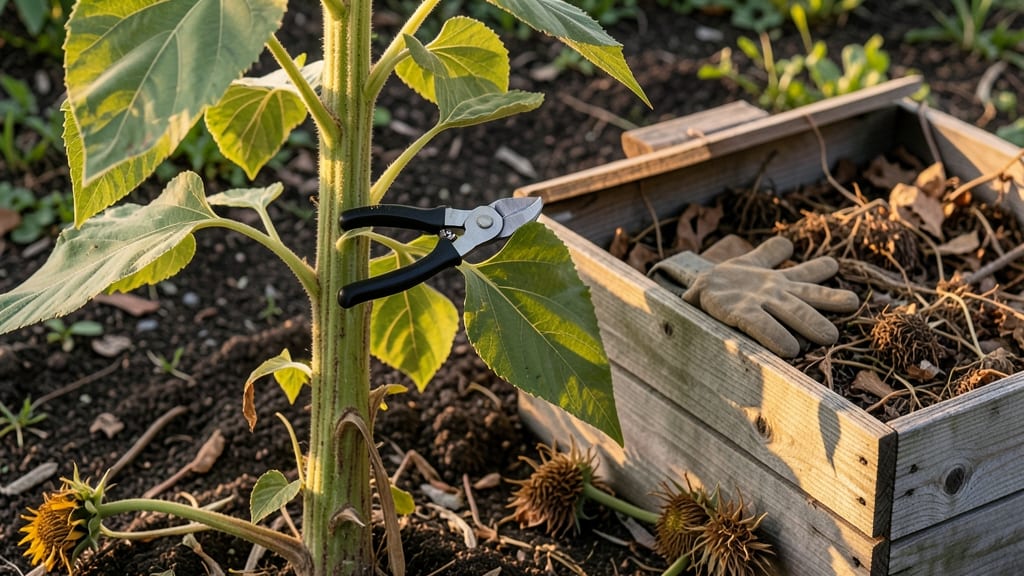
Cutting down your sunflowers at the wrong time can mean losing those stunning 🌻 blooms or missing out on seed harvests—neither of which you want!
The key to maximizing their beauty and productivity lies in knowing exactly when to trim them, whether you're aiming for longer blooms or preparing for winter.
Most gardeners make the mistake of waiting too long, but the ideal moment to cut down sunflowers depends on your goals. If you want to encourage more flowers, deadhead them as soon as the petals start wilting.
For seed harvesting, wait until the back of the head turns fully brown and the seeds rattle inside. Timing is everything!
In USDA Zone 6a, where frost typically arrives by late October, you’ll need to act by early fall if you’re cutting for winter prep. Leaving stems too late can attract pests or weaken the plant.
But if you’re saving seeds, harvest them before the first frost hits—usually between July and September—to ensure they stay viable.
Whether you’re a beginner or a seasoned gardener, these simple steps will help you keep your sunflowers thriving—and looking their best—all season long. Let’s dive into the best practices for cutting them down without missing a beat.
Optimal deadheading timeline for sunflowers to extend blooming season
Sunflowers thrive when you deadhead them at the right time—this simple act can double your blooming season. The key is understanding their natural growth cycle: once petals wilt, the plant redirects energy to seed production instead of new flowers.
By removing spent blooms, you encourage more side buds to open, giving you those iconic 🌻 faces for weeks longer.
Timing matters because cutting too early can stress the plant, while waiting too long means missed opportunities for regrowth. For most annual sunflowers, the best moment arrives when 70-80% of petals have turned brown and begun drooping.
This usually happens 6-8 weeks after flowering, depending on your USDA Zone 6a climate. In hotter regions, this process accelerates.
Perennial varieties like Maximilian sunflowers follow a slightly different schedule—they often bloom in late summer and benefit from deadheading after the first frost to prevent self-seeding. The goal is to balance aesthetics with plant health, ensuring you don’t sacrifice next year’s growth for this year’s display.
| Stage | Action | Best Time of Day | Tools Needed |
|---|---|---|---|
| Early Bloom (Petals fully open) | Observe for wilting signs (drooping edges) | Morning (cool temps reduce stress) | Hand pruners or clean scissors |
| 70-80% Petal Wilting | Deadhead by cutting 1 inch below the spent bloom | Late morning (after dew dries) | Bypass pruners (for clean cuts) |
| Seed Head Formation | Leave intact if saving seeds; otherwise, remove | Early afternoon (avoid evening moisture) | Garden shears (for thicker stems) |
| First Frost (Zone 6a: Late Oct) | Cut stems 2 inches above ground for perennials | Daytime (prevents fungal growth) | Loppers (for mature plants) |
Deadheading isn’t just about removing old blooms—it’s also about preserving stem health. Always use clean, sharp tools to avoid tearing stems, which can introduce fungal infections.
I’ve found that cutting in the late morning (after dew has evaporated but before the heat of noon) gives the plant time to recover without stress. This timing also minimizes the risk of sap bleeding, which can attract pests.
For annual varieties, deadheading every 7-10 days during peak bloom (June-August) can extend your display by 3-4 weeks. In my Zone 6a garden, this means starting in early July and continuing until early September.
The trade-off? Fewer seeds, but more continuous color. If you’re growing sunflowers for birdseed, skip deadheading until the back of the head turns brown—this usually happens in late August or September.
Perennial sunflowers, like Helianthus maximiliani, have a different rhythm. These hardy plants often bloom in late summer and benefit from a light deadheading only after the first frost.
This encourages winter interest while preventing unwanted self-seeding. In my experience, leaving a few seed heads adds winter texture to the garden and provides food for wildlife.
One critical mistake I’ve seen gardeners make is deadheading too aggressively. Over-pruning can deplete the plant’s energy reserves, leading to leggy growth or even collapse. Limit yourself to 1-2 deadheads per plant per week during peak season.
Also, avoid cutting into the main stem—always target the side shoots where new buds form.
If you’re growing sunflowers in containers, deadheading becomes even more important because space is limited. Container-grown plants often produce smaller side buds, so removing spent blooms redirect energy to fewer, larger flowers.
I’ve had success with dwarf varieties like ‘Teddy Bear’ by deadheading weekly, which keeps them compact and prolific.
Finally, don’t forget that sunflowers are heavy feeders. After deadheading, give your plants a light fertilizer boost (like a 10-10-10 mix) to support new growth. I apply this in early morning after watering to prevent root burn.
This simple step can mean the difference between a few straggly blooms and a lush, second flush.
When to cut down sunflowers for seed harvesting vs. aesthetic purposes
Deciding when to cut down your sunflowers depends entirely on your goals. If you're harvesting seeds, timing is critical to ensure maximum viability. For aesthetic purposes, the focus shifts to maintaining garden cleanliness and preventing disease.
In USDA Zone 6a, where first frost typically arrives by late October, you'll need to act by early fall to avoid missing either opportunity.
For seed harvesting, wait until the back of the flower head turns completely brown and the seeds rattle when shaken. This usually occurs between late August and September, depending on your variety.
The seeds should feel dry and papery to the touch, indicating they've reached optimal moisture content for storage.
Seed Harvesting vs. Aesthetic Cutting
Seed Harvesting
- ✅ Pros: Preserves seed viability
- ✅ Pros: Encourages wildlife benefits
- ✅ Pros: Allows for next year's planting
- ❌ Cons: Requires monitoring moisture
- ❌ Cons: Needs proper storage conditions
Aesthetic Cutting
- ✅ Pros: Prevents seed spread
- ✅ Pros: Reduces pest attraction
- ✅ Pros: Maintains garden tidiness
- ❌ Cons: Loses seed harvest potential
- ❌ Cons: May remove wildlife food sources
Key Timing: Seed harvest: Late August-September | Aesthetic: After first frost or when stems weaken
When cutting for seeds, use clean, sharp pruning shears to avoid crushing the seed heads. Cut the stem about 6 inches below the flower head to allow for proper drying. Hang the heads upside down in a well-ventilated, dry location for 1-2 weeks to complete the drying process.
Once fully dry, rub the seeds from the head into a paper bag for storage.
For aesthetic purposes, cut sunflowers down after the first frost or when stems begin to weaken. In Zone 6a, this typically occurs in late October. Cut stems 2-3 inches above ground level to prevent disease from spreading through the soil.
Remove all plant debris from the garden to reduce overwintering pests like sunflower moths and aphids.
If you're growing sunflowers in containers, the timing remains similar, but you'll need to act slightly earlier. Container-grown plants often mature faster due to their limited root space. For seed harvesting, watch for the same maturity signs but be prepared to harvest 1-2 weeks earlier than in-ground plants.
For aesthetic cutting, remove container-grown sunflowers as soon as stems show signs of yellowing or wilting, usually 1-2 weeks before in-ground varieties.
Remember that leaving some sunflower stems standing can provide valuable winter interest and food for birds. If you choose to leave a few, select the healthiest stems and remove all others.
This creates a natural wildlife habitat while maintaining your garden's aesthetic appeal. For maximum impact, leave stems that have fully matured seeds as these will attract the most wildlife.
Whether you're harvesting seeds or preparing for winter, always use sterilized tools to prevent disease spread. Clean your pruners with rubbing alcohol between cuts, especially when working with multiple plants. This simple step can make the difference between a healthy garden next season and one plagued by fungal infections.