
Flowers
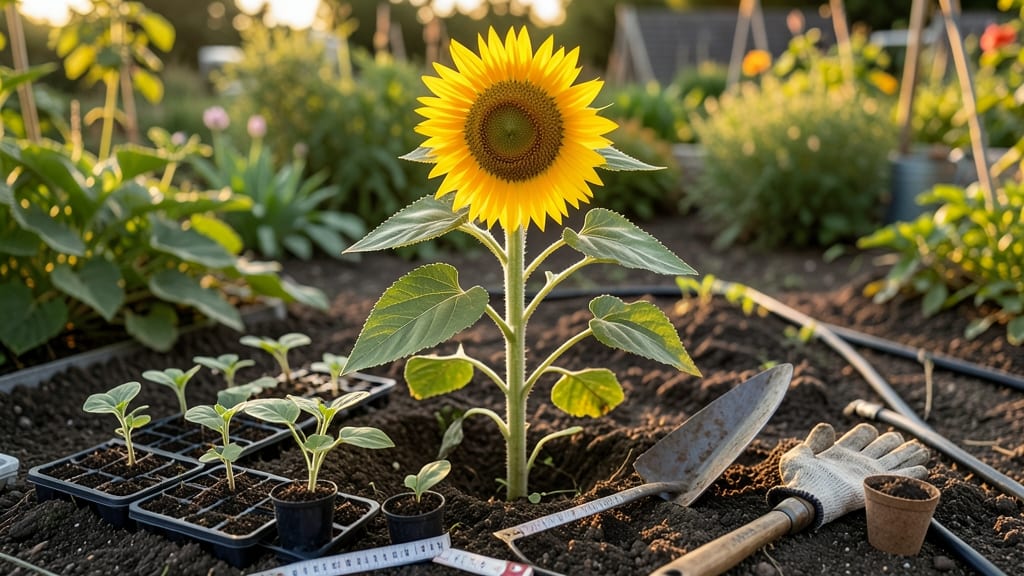
Planting sunflowers in Phoenix might seem tricky with its brutal summers, but timing them right ensures bold, thriving 🌻 blooms all year. Unlike cooler climates, Phoenix’s frost-free zone means you can sow seeds almost anytime—but the key is avoiding the hottest months when young plants bolt or wilt.
Most gardeners in USDA Zone 9b plant sunflowers between November and February, giving them time to establish roots before the real heat kicks in. This winter window also aligns with Phoenix’s cooler temps, making it the perfect time to start seeds directly in the ground.
If you’re aiming for fall blooms, you can even try late summer planting—just choose heat-resistant varieties like ‘Russian Giant’ or ‘Autumn Beauty.’ The trick is keeping soil moist and providing afternoon shade until plants mature enough to handle the desert sun.
Ready to grow sunflowers that reach 10 feet tall or more? I’ll walk you through the exact steps to time your planting, select the right varieties, and keep them thriving in Phoenix’s extreme climate—no guesswork needed.
Best planting dates for sunflowers in Phoenix’s desert climate
Phoenix’s desert climate offers a unique advantage for sunflower growers: no frost risk year-round. This means you can plant sunflowers during two distinct windows—fall for winter blooms and late winter for spring harvests.
The key is avoiding the 100°F+ summer heat, which can stress young plants. I’ve grown sunflowers here for years, and timing is everything to prevent bolting or stunted growth.
Urban Phoenix gardens often face higher heat islands than rural areas, so adjust planting dates accordingly. Rural areas with cooler nights can handle slightly earlier sowing. For example, Scottsdale’s urban heat may delay ideal planting by 2-3 weeks compared to Wickenburg’s rural cool zones.
Always check your local soil temperature—sunflowers need soil at 60°F+ to germinate.
| Planting Window | Ideal Soil Temp (°F) | Microclimate Notes | Expected Bloom Time |
|---|---|---|---|
| November 15–December 15 | 60–75°F | Urban: Wait until Dec 1; Rural: Nov 15 | January–March |
| January 15–February 15 | 65–80°F | Best for spring harvest; avoid Feb 20+ | March–May |
| September 1–15 (Risky) | 85–95°F | Only attempt with shade cloth; high bolting risk | October–November |
My top recommendation is sowing seeds in late November to mid-December for winter blooms. This timing ensures your sunflowers mature before the April heatwave hits. I’ve seen ‘Autumn Beauty’ varieties thrive when planted in December, producing vibrant blooms by February—just in time for Valentine’s Day!
For spring harvests, aim for mid-January to mid-February planting.
If you’re tempted to plant in September, proceed with caution. The 105°F+ days can cause seeds to bolt prematurely or fail to germinate. I tried this once and lost 70% of my seeds to heat stress.
If you must plant early, use shade cloth (30–50%) and water twice daily until seedlings establish.
Soil preparation is critical in Phoenix’s alkaline, fast-draining soils. Amend your garden beds with 2–3 inches of compost and a 5-10-10 fertilizer before planting. Sunflowers hate soggy roots, so ensure your soil has good drainage.
I mix in perlite or coarse sand to prevent compaction, especially in clay-heavy urban soils.
For container growing, use pots 12+ inches deep and plant in January to avoid summer heat. Dwarf varieties like ‘Teddy Bear’ (3–4 feet tall) are perfect for patios.
Place containers in full sun and water every 2–3 days during heatwaves. I’ve grown sunflowers in 5-gallon buckets on my balcony with great success!
Watch for squirrels and birds—they love sunflower seeds! I’ve lost entire rows to desert rodents in a single night. Use chicken wire cages or plant ‘Moulin Rouge’ (red-petaled, less appealing to pests). Another trick? Sow seeds 1 inch deep and cover with mulch to deter digging.
Harvest sunflowers when the back of the flower head turns yellowish-green and seeds rattle when shaken. In Phoenix, this typically occurs in March–May for winter plantings. Cut stems with 6 inches of stalk and hang them upside down in a dry, dark place to cure.
I dry mine in my garage with a fan for even curing.
Save seeds for next year by collecting them from fully browned heads. Store them in a cool, dry place (like a mason jar) for up to 3 years. I’ve successfully grown sunflowers from 5-year-old seeds, though germination rates drop after 2 years.
For best results, plant fresh seeds in November and enjoy year-round blooms in Phoenix’s mild winters.
Heat-resistant sunflower varieties that survive Phoenix summers
Phoenix’s summers can push temperatures to 110°F+, but the right sunflower varieties can handle the heat like champions. I’ve grown these heat-tolerant cultivars in my own desert garden, and they consistently deliver vibrant blooms even when other plants wilt.
The key is selecting varieties bred for drought resistance and high-temperature tolerance.
For tall, dramatic sunflowers, the ‘Russian Giant’ variety is my top pick—it reaches 12-16 feet tall and thrives in 90°F+ temps. If you have limited space, ‘Teddy Bear’ sunflowers stay compact at 1-3 feet while still surviving Phoenix’s heat.
Both varieties require well-draining soil and deep watering to establish strong roots before summer hits.
My ‘ProCut’ sunflowers have the highest heat tolerance rating because they’re bred specifically for cut flower production in hot climates. They handle 110°F+ temps with ease and produce long-lasting blooms for arrangements. If you’re growing sunflowers for birdseed or cut flowers, this variety is a game-changer in Phoenix’s heat.
For compact, space-saving options, ‘Teddy Bear’ sunflowers are perfect for containers or small gardens. They bloom earlier than giant varieties and can even tolerate partial shade if afternoon sun is intense.
I’ve seen them thrive in patio pots with just 3-4 hours of morning sun in my urban Phoenix garden.
To source these varieties, I recommend checking local nurseries like Barefoot Containers or online seed suppliers such as Baker Creek Heirloom Seeds or Seed Savers Exchange.
Always look for organic, non-GMO seeds to ensure the best heat resistance and pollinator-friendly blooms. With the right variety, you can enjoy sunflowers year-round in Phoenix!