
Plants
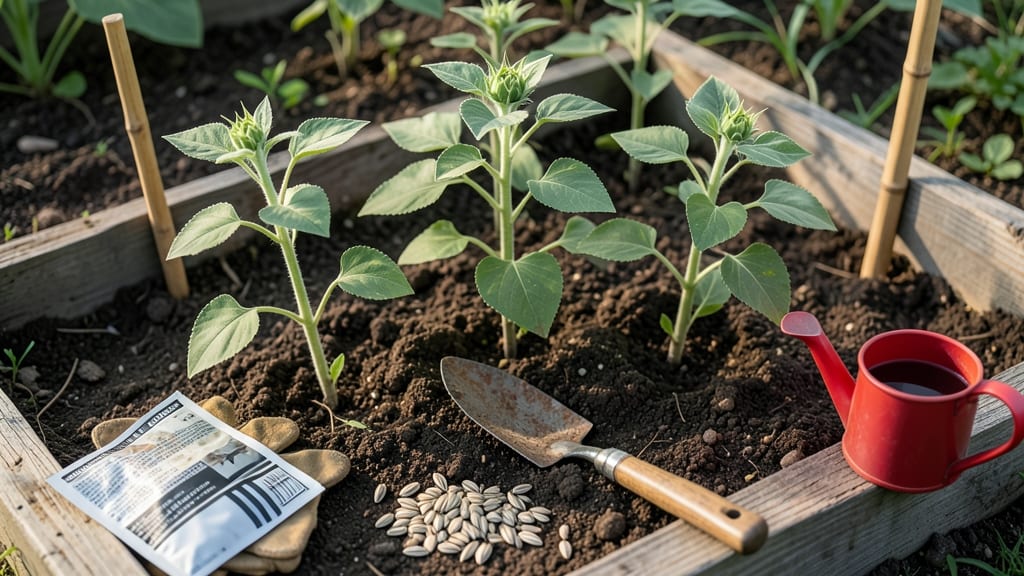
Planting sunflower seeds outside at the wrong time can mean the difference between a 6-foot-tall beauty and a sad, stunted plant that never blooms. The key to success isn't just soil or sunlight—it's knowing when to start them after the last frost, which varies dramatically across USDA zones.
In Zone 6a, where many gardeners call home, the ideal window stretches from mid-April through May, but timing shifts in warmer or colder climates. Too early, and frost will kill tender seedlings; too late, and your sunflowers 🌻 might bolt before reaching their full potential.
I've learned the hard way that rushing the process leads to disappointment, but following a few simple rules—like waiting until soil temperatures hit 50°F—can transform your garden into a towering display of golden blooms.
Whether you're a beginner or a seasoned gardener, this guide will help you pinpoint the exact moment to plant for maximum growth, no matter where you live.
USDA zone deadlines for planting sunflower seeds outside
Sunflowers thrive when planted at the right time, but their ideal window varies dramatically across USDA zones 1 through 11.
In colder regions like Zone 1-3, you’ll need to start seeds indoors 4-6 weeks before the last frost, while Zones 7-11 can direct-sow as early as February or March.
The key is balancing soil temperature (50°F+) with frost-free dates—plant too early, and seedlings may rot; too late, and blooms arrive after summer’s peak.
Most sunflower varieties need 60-120 days to mature, so timing depends on your last frost date and harvest goals. Early varieties (like Sunrich) can handle cooler soils, while giant types (like Mammoth) need warmer conditions.
Microclimates—like urban heat islands or sheltered valleys—can also shift your planting window by 2-4 weeks earlier or later.
Soil temperature is your best gauge: sunflower seeds won’t germinate below 50°F (10°C), but ideal sprouting occurs at 60-70°F (15-21°C). Use a soil thermometer to confirm readiness, especially in Zones 4-6, where spring soils can linger cold. In Zones 8-11, you might even plant year-round in frost-free areas, though summer heat can stress seedlings.
| USDA Zone | Last Frost Date | Optimal Planting Window | Soil Temp Threshold | Notes |
|---|---|---|---|---|
| 1-3 | Mid-May to June 15 | Indoors: March 1-April 15 Outdoors: After May 15 |
55°F+ (13°C+) | Use row covers; short season favors dwarf varieties. |
| 4-5 | April 15-May 1 | Indoors: March 15-April 1 Outdoors: April 20-May 10 |
50°F+ (10°C+) | Succession plant for extended harvests. |
| 6-7 | April 1-May 15 | Outdoors: April 1-May 10 | 55°F+ (13°C+) | Ideal for standard and semi-dwarf varieties. |
| 8-9 | February 15-March 15 | Outdoors: February 20-April 1 | 60°F+ (15°C+) | Can plant year-round; avoid summer heat stress. |
| 10-11 | No frost or December | Outdoors: January-April | 65°F+ (18°C+) | Succession plant every 2 weeks for continuous blooms. |
🌱 Pro Tip: Adjust for microclimates—urban areas may be 1-2 weeks earlier than rural zones.
In Zones 1-3, where growing seasons are short, focus on early-maturing varieties like Autumn Beauty or Teddy Bear, which bloom in 60-70 days. Start seeds indoors in March and transplant outdoors only after the soil warms to 55°F (13°C).
Use black plastic mulch to speed up soil warming by 2-3 weeks.
For Zones 4-6, aim to plant outdoors between April 20 and May 10, timing your seeds to bloom before the first fall frost. In these regions, succession planting every 2-3 weeks ensures a steady supply of blooms.
If your spring is unpredictable, opt for heat-tolerant varieties like ProCut or Sunrich, which handle cooler soils better.
Gardeners in Zones 7-9 enjoy the most flexibility, with planting windows stretching from February to April. Here, you can even direct-sow in late winter if soil temperatures exceed 50°F (10°C).
However, avoid planting in peak summer heat (above 90°F/32°C), as it can cause bolting (premature flowering) or seedling stress. Instead, prioritize late spring or early fall plantings.
In Zones 10-11, sunflowers can be planted year-round, but the best results come from succession sowing every 2 weeks. This method ensures a continuous harvest from spring through fall. Since these zones rarely experience frost, focus on heat-toler
Best sunflower varieties and their ideal planting times
Choosing the right sunflower variety isn't just about height or color—it's about matching your climate zone and harvest goals. Some varieties bloom in 60 days, while others take 120 days to mature, making timing critical.
I've grown everything from dwarf varieties for containers to towering Mammoth sunflowers that reach my roof, and each has its perfect planting window.
For early blooms, varieties like Sunrich or Autumn Beauty thrive when planted in late spring (after frost), while late-season giants like Russian Giant need an early start to reach their full potential.
Your USDA zone dictates when to plant, but the variety itself determines how long you'll wait for those golden blooms to appear.
Here's my comparison of the most popular sunflower varieties and their ideal planting times, organized by maturity type. Whether you're aiming for quick summer color or fall harvests, this guide will help you pick the perfect match for your garden.
If you live in USDA Zones 1-4, focus on early-maturing varieties like Teddy Bear or Sunrich to avoid late-season frosts. These varieties bloom quickly, giving you vibrant color even in short growing seasons.
In Zones 5-8, you have more flexibility—planting Mammoth or ProCut in early spring ensures towering blooms by summer.
For Zones 9-11, consider succession planting with early varieties like Sunrich every 2-3 weeks to enjoy continuous blooms. Heat-tolerant varieties like Autumn Beauty also thrive in these zones, offering stunning bicolor blooms that last into fall.
The key is to match your variety to your last frost date and first frost date.
Pro tip: Check seed packets for days-to-maturity and work backward from your first frost date. For example, if your first frost is October 15 and you plant a 90-day variety, aim to sow seeds by July 15 to ensure blooms before cold weather arrives.
With the right variety and timing, your sunflowers will reach their full potential—and bring smiles all season long! 🌻