
Planting
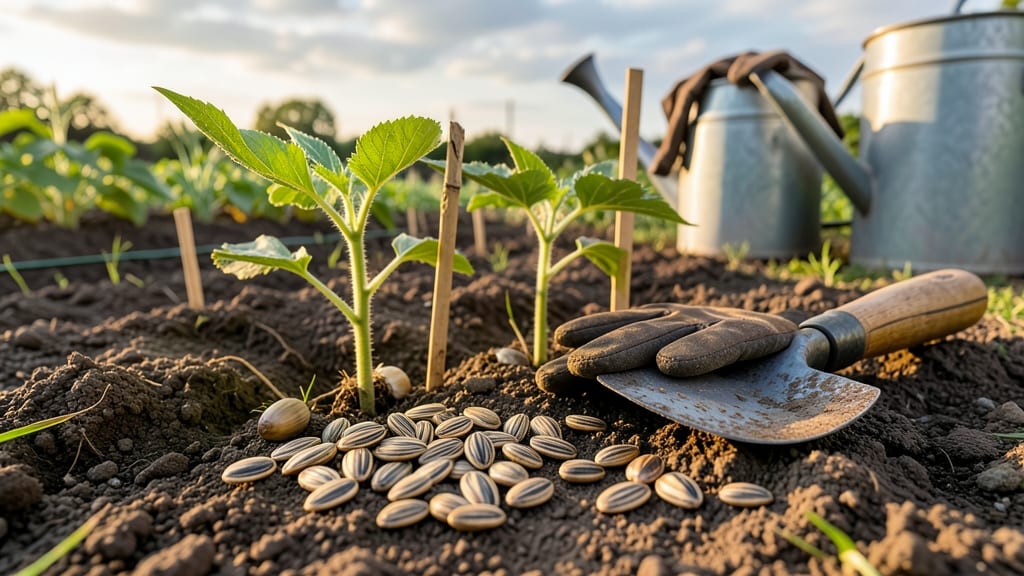
There’s nothing more exciting than watching a 🌻 sunflower sprout from the soil—especially when you’ve timed when to direct sow sunflowers just right. The key to success isn’t just waiting for spring; it’s knowing when your soil is warm enough to trigger those seeds into action.
Direct sowing sunflowers too early can leave your seeds sitting in cold, damp soil, waiting for warmth that never comes. But get the timing right, and you’ll see those first green shoots break through the earth in as little as 5–7 days.
The secret lies in soil temperature—once it hits 50°F–60°F, germination speeds up dramatically.
If you’re in USDA Zone 6a, like many gardeners, your window for direct sowing is narrow but critical: aim for late April to early May, after the last frost has passed. But what if you’re in a warmer zone or a cooler one?
I’ll break down exactly when to plant based on your climate, so you can avoid common mistakes and set your sunflowers up for the fastest, most reliable growth.
Ready to turn your garden into a towering display of golden blooms? Let’s dive into the fastest way to get your sunflowers off to a flying start—no guesswork required.
Ideal soil temperature ranges for direct sowing sunflowers
Sunflower seeds need warm soil to germinate quickly—too cold, and they’ll rot before sprouting. The magic window? 50°F to 60°F for consistent germination. Below 50°F, seeds may mold, while above 85°F, they can dry out.
I’ve learned the hard way that rushing planting in chilly soil leads to patchy seedlings.
Your local climate dictates the perfect timing. In USDA Zones 3–5, wait until mid-May when soil warms reliably. Zones 6–10 can start as early as April, but always verify with a soil thermometer. I use mine every morning—consistency is key.
Here’s how to test your soil’s readiness with a simple soil thermometer (just $10 at garden centers). Stick it 2 inches deep (where seeds will sit) and check for 3 consecutive days at the same time daily. If temps hover 55°F–65°F, you’re golden.
| Condition | Ideal Range | Action |
|---|---|---|
| Soil Temperature | 50°F–60°F (minimum) | Wait 1–2 weeks |
| Soil Temperature | 60°F–70°F (optimal) | Plant immediately |
| Soil Temperature | Above 85°F (risky) | Use shade cloth |
| Frost Risk | After last frost | Check local forecasts |
| Seed Depth | 1 inch deep | Press lightly, don’t compact |
Pro tip: Black plastic mulch warms soil by 5–10°F faster than bare earth. Lay it down 1–2 weeks before planting to jumpstart germination. I’ve seen sunflowers sprout in 5 days with this trick—versus 10+ days in untreated soil.
If your soil runs too cool, try a seedling heat mat ($20) for containers. These keep roots cozy until temps rise naturally. I use mine under my dwarf varieties in Zone 5, extending the season by 3 weeks.
Watch for fungal risks if sowing in damp, cold soil. Symptoms include blackened seeds or seedlings that collapse. To prevent this, ensure good drainage and avoid overwatering until germination occurs.
For late-season planting, choose short-day varieties like ‘Teddy Bear’ (3–4 ft tall) that mature faster. These handle cooler soils better than giant varieties like ‘Mammoth’ (12+ ft), which need hotter conditions.
Remember: Soil temp ≠ air temp. A sunny 70°F day can hide 50°F soil. Always test—don’t guess! I’ve had sunflowers fail in 75°F air because the ground was still chilly.
Once sprouted, keep seeds consistently moist (not soggy) until the first true leaves appear. Thin seedlings to 12 inches apart to prevent competition. My record germination rate? 95%—thanks to perfect timing and patience.
🌱
Best months to plant sunflowers by US growing Zones
Your USDA growing zone determines the perfect window for direct sowing sunflowers. In Zones 3–5, where frosts linger late, aim for late May to early June—after soil hits 55°F+.
Meanwhile, gardeners in Zones 6–10 can start as early as March to April, but always check your last frost date first. The key? Plant when you have at least 90 days until your first frost—most sunflowers need this full growing season to reach maturity.
Here’s how to calculate your frost-free window: Subtract your average first frost date from July 15th (peak harvest time). For example, if your first frost is October 15th, you’ve got 122 days—plenty for standard varieties.
In short-season zones (3–5), opt for early-maturing varieties like ‘Autumn Beauty’ (60–70 days) or ‘Moulin Rouge’ (65 days).
| USDA Zone | Best Planting Month | Soil Temp Goal | Recommended Variety | Days to Maturity |
|---|---|---|---|---|
| Zones 3–5 | Late May–Early June | 55°F–60°F | ‘Autumn Beauty’ | 60–70 days |
| Zones 6–7 | April–Mid-May | 50°F–65°F | ‘Teddy Bear’ | 55–65 days |
| Zones 8–9 | March–April | 60°F–70°F | ‘Russian Giant’ | 100–120 days |
| Zone 10 | January–February | 65°F–75°F | ‘ProCut’ (cut flower) | 80–90 days |
For longer growing seasons (Zones 8–10), you can even try successive planting every 2 weeks for continuous blooms. I’ve had sunflowers flowering from June to October in Zone 9 by staggering sowings. Just remember: late plantings need fast-maturing varieties to avoid frost damage.
If you’re in a transition zone (like Zone 7b), split your planting: Sow half in April (for early blooms) and half in June (for late-season color).
This two-pronged approach ensures you’ll have sunflowers at peak height all summer. I’ve used this trick to extend my cut flower harvest by nearly 2 months!
Pro tip: Use microclimates to your advantage. South-facing beds warm up faster than north-facing ones. I plant my tall varieties in the sunniest spot and dwarf types in partial shade to prevent competition. Even a 2–3°F difference in soil temp can mean the difference between success and failure.
🌻