
How To
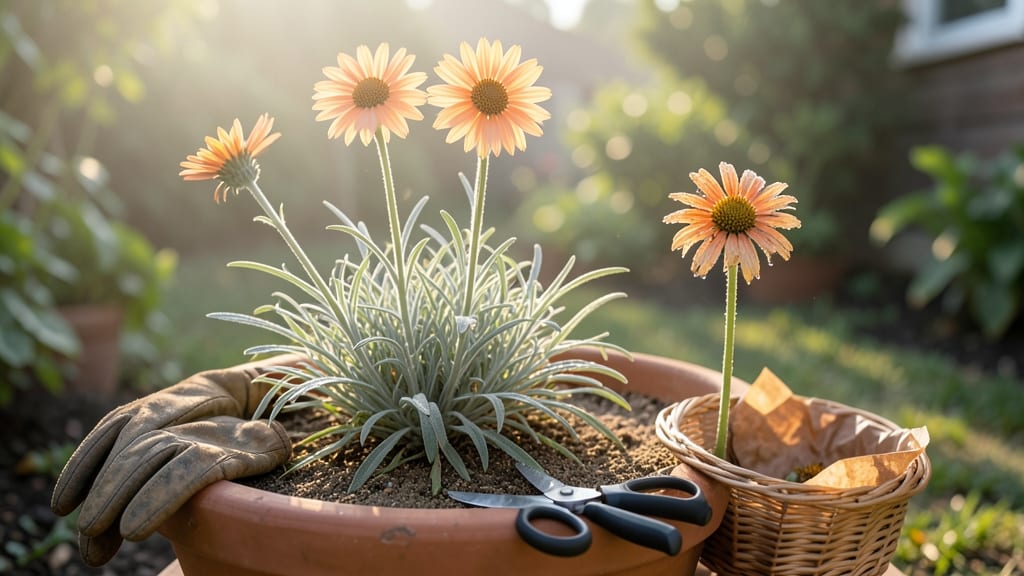
Harvesting your strawflower 🌼 at the wrong time can turn those gorgeous blooms into floppy, faded messes—trust me, I’ve seen it happen. The difference between a stunning dried arrangement and a sad, wilted pile comes down to knowing exactly when to snip those stems for perfect results.
Most gardeners wait until late summer, but timing isn’t just about the calendar—it’s about the flowers themselves. You’ll want to watch for three key signs: fully open petals, vibrant color, and a firm, woody stem.
Miss these cues, and your strawflowers won’t dry properly, leaving you with blooms that lose their shape faster than you can say “bouquet.”
I’ve tested the best methods over the years, and what I’m about to share will help you avoid common mistakes like harvesting too early or too late. Whether you’re drying them for crafts or preserving their beauty for winter arrangements, these tips will keep your strawflowers looking fresh for months.
Ready to turn your garden into a goldmine of dried blooms? Let’s dive into the clear signs that tell you it’s time to harvest—and how to handle them like a pro.


3 Unmistakable signs your strawflower is ready for harvesting
Knowing when to harvest strawflowers is the secret to preserving their stunning colors and papery texture for months. These flowers don’t tolerate impatience—picking too soon means floppy blooms, while waiting too long risks losing their vibrant hues. The good news? Nature gives you clear signals when it’s time to act.
As a gardener who’s dried hundreds of strawflowers, I’ve learned to trust three key indicators: petal maturity, color vibrancy, and stem firmness. When these three signs align, you’ve hit the perfect harvest window. Let’s break down what to look for in your garden.
🌼 3 Clear Harvest Signs
- 1. Petals fully open – Look for blooms where every petal is flat and spread out, not curled or tightly closed. This means the flower has reached full maturity and won’t wilt during drying.
- 2. Vibrant, consistent color – The petals should be at their most intense hue, not fading or showing brown edges. This is your cue that the natural pigments are fully developed for long-lasting color.
- 3. Woody, firm stems – Gently squeeze the stem near the base. If it feels thick and woody (not soft or hollow), the plant has directed enough energy into the bloom for perfect drying.
First-time harvesters often miss the petal maturity stage because they focus on flower size alone. But a large bloom with curled petals won’t dry properly—it’ll stay limp and lose its shape.
I once harvested a batch of what looked like fully grown strawflowers, only to discover their petals were still slightly curled. After drying, they resembled sad little umbrellas instead of showstopping blooms.
The color vibrancy sign is especially important if you’re growing strawflowers for specific colors like deep orange or rich purple. These hues fade fastest when harvested too early. I recommend comparing your blooms to fully mature flowers in catalogs or dried arrangements—you’ll notice the difference immediately.
A properly colored strawflower will maintain its brightness for years when dried correctly.
Don’t overlook the stem firmness test—this is your quality control for drying success. Soft stems indicate the plant is still putting energy into growth rather than flower preservation. I’ve seen gardeners skip this step and end up with stems that snap during drying, ruining the entire arrangement.
For best results, harvest on a dry morning when stems are at their firmest.
Timing matters beyond just these signs. The best harvest window for strawflowers typically falls between late summer and early fall, when temperatures are warm but not scorching. This aligns with their natural drying cycle.
In my zone 6a garden, I start checking for these signs in mid-August and continue through September. If you’re in a warmer climate, you might harvest as early as July.
One common mistake I see is harvesting based on calendar dates rather than plant signals. Just because it’s October doesn’t mean your strawflowers are ready—some varieties bloom later in the season.
Always check the three key signs before cutting. I keep a small notebook by my garden gate to track which flowers hit all three indicators first each season.
Pro tip: Harvest on a dry, sunny morning when dew has evaporated but temperatures are still mild. This gives your cut stems the best chance to dry evenly without developing mold. I like to harvest just as the sun reaches its peak—around 10 AM—to balance warmth with humidity levels.
After cutting, immediately strip any lower leaves and bundle stems with rubber bands for even drying.
Remember, the goal is to capture strawflowers at their absolute peak. When you nail these three signs—open petals, vibrant color, and firm stems—you’re guaranteed blooms that will dry beautifully and last through winter arrangements.
Trust your eyes and fingers over the calendar, and your dried strawflowers will thank you by staying stunning for years to come. 🌼
Best harvesting techniques to preserve strawflower color and shape
Now that you’ve identified your strawflowers are ready to harvest, the next critical step is using the right techniques to preserve their color and shape during drying. How you cut, handle, and prepare these blooms directly impacts whether they retain their showstopping appearance or turn into sad, flattened remnants.
I’ve made my share of mistakes—like cutting stems too short or leaving foliage attached—which can lead to moldy stems or uneven drying.
The cutting method matters more than you might think. Always use clean, sharp pruning shears or scissors to make a diagonal cut just above a leaf node. This prevents water from pooling in the stem, which can cause rot.
I like to harvest on a dry morning when the stems are naturally firm, as this reduces stress on the blooms. Never pull flowers by hand—this can damage the stem and cause the bloom to collapse during drying.
After cutting, immediately strip all lower leaves from the stems. Leaves trap moisture and can lead to mold, which will ruin your dried arrangements. I keep a small bucket of water nearby to rinse my shears between cuts—this prevents the spread of any potential pathogens.
Once stripped, bundle stems together with rubber bands or twine, leaving about 6 inches of stem exposed for hanging. This grouping ensures even drying and maintains the blooms’ structural integrity.
⏰ When to Harvest Strawflower
Harvest strawflowers only when all three signs are met: fully open petals, vibrant color, and woody stems. Harvesting too early results in floppy blooms, while waiting too long causes color fading. The ideal window is late summer to early fall, but always prioritize plant signals over calendar dates. Never harvest after the first frost—this damages the blooms and accelerates drying time.
Once your strawflowers are bundled, it’s time to consider your drying method. Hanging is the most common approach because it preserves the blooms’ natural shape. To hang them, tie a loop of twine around the rubber band and suspend them upside down in a well-ventilated, dry area.
I use a clothesline in my garage with a small fan running nearby to circulate air—this prevents humidity buildup. Avoid direct sunlight during drying, as UV rays can cause color fading. Instead, choose a spot with indirect light where temperatures stay between 70°F and 80°F (21°C-27°C).
If you prefer flat drying, lay the stems on a breathable surface like a wire rack or piece of mesh. Space them out to allow air circulation, and flip them every few days for even drying. This method works best for smaller batches or if you’re short on hanging space.
Regardless of your chosen method, drying typically takes 2-4 weeks, depending on humidity levels. I’ve found that using a dehumidifier in the drying area can cut drying time by nearly half, especially in humid climates.
Post-harvest care is just as important as the harvesting process itself. Once fully dry, gently remove the rubber bands and store your strawflowers in a cool, dark place like a cardboard box or breathable fabric bag. Avoid plastic containers, as they trap moisture and can cause mold.
I like to add a few silica gel packets to my storage boxes to absorb any lingering moisture. With proper care, your dried strawflowers will maintain their color and shape for 2-3 years, making them perfect for winter arrangements or craft projects.
Remember, the key to preserving strawflower color and shape lies in precision at every step—from the moment you cut the stem to how you store the final dried blooms.
Pay attention to details like stem length, leaf removal, and drying conditions, and your strawflowers will reward you with years of vibrant beauty. Happy harvesting! 🌼