
Planting
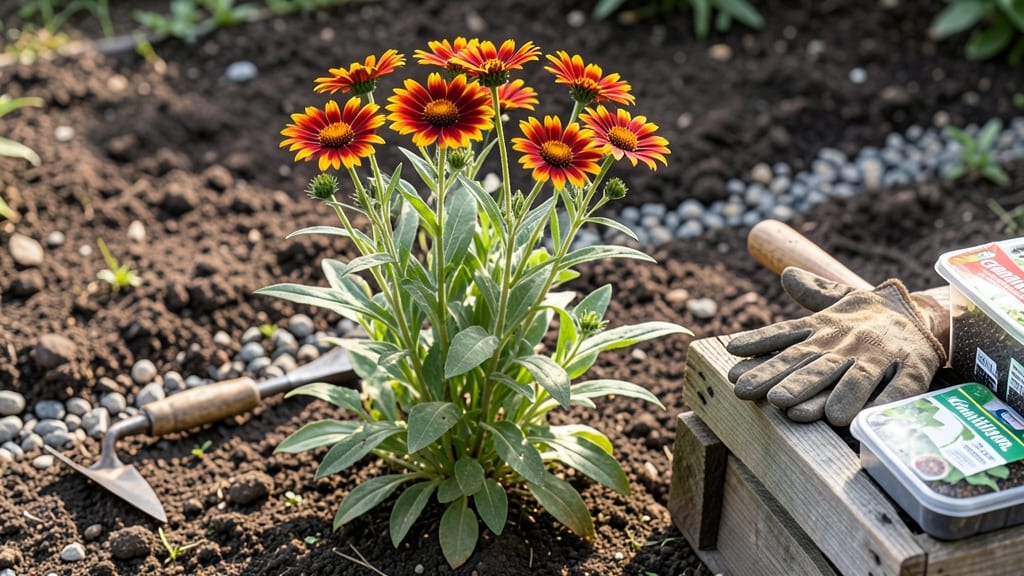
Planting Blanket Flower seeds 🌼 at the wrong time means waiting months for those bold blooms—or worse, watching them fail entirely. These heat-loving flowers demand precision timing, especially in USDA Zone 6a, where a single late frost can set you back.
Most gardeners assume spring is the only window, but there’s a second chance in late summer for a fall display. The key? Waiting until soil temps hit 60°F+ and avoiding the last frost date—typically April 15 in your zone.
Get this right, and you’ll enjoy vibrant blooms from July through October.
I’ll break down the exact months to plant by zone, whether to direct-sow or transplant, and how to prep soil for maximum success. Skip the guesswork and start with a foolproof schedule that guarantees strong stems and long-lasting color.
Ready to transform your garden into a fireworks display? Let’s dive into the timing secrets that make all the difference for Blanket Flower seeds.
Best planting months for blanket flower seeds by USDA zone
Blanket flowers (Gaillardia) thrive in warm weather and despise frost, so timing your planting is everything. Whether you're direct sowing seeds or transplanting young plants, your USDA zone dictates the perfect window.
Plant too early, and frost will kill your seedlings; too late, and you’ll miss peak blooms. Let’s break it down by zone so you can plant with confidence.
Most gardeners focus on spring planting, but blanket flowers also tolerate late summer sowing in warmer zones. The key is soil temperature—wait until it reaches at least 60°F (15°C) before planting.
In cooler zones, start seeds indoors 6-8 weeks before your last frost date to give them a head start. Let’s explore the best months for each zone.
🌱 Pro Tip: Use a soil thermometer to check readiness. Blanket flowers won’t germinate well in cold soil, even if air temperatures seem warm.
For Zones 3-4, early spring is your only option—late summer sowing risks frost damage before blooms appear.
In Zones 5-6, you can try a late summer planting for fall color, but rush it, and flowers may not mature before winter. Zones 7-11 offer flexibility: plant in spring or late summer for extended blooms.
⚠️ Warning: Avoid planting blanket flowers before your last frost date, even if soil is warm. Seedlings are frost-sensitive and will bolt or die. Check your local frost calendar or use a frost predictor tool for accuracy.
If you’re transplanting seedlings, harden them off for 7-10 days before moving outdoors. Acclimate them to sun and wind gradually to prevent shock. My trick? Place them in a shady spot for the first few days, then gradually increase sunlight exposure over a week.
For direct sowing, scatter seeds ¼ inch deep in well-draining soil and keep them moist but not soggy. Germination takes 7-21 days, depending on soil warmth. In hotter zones, mulch with straw to retain moisture and prevent crusting. This helps seeds stay hydrated until they sprout.
In Zones 9-11, you can even sow seeds in fall for winter/spring blooms. The key is to plant 6-8 weeks before your first frost (if applicable) or before heavy rains start. Fall-sown seeds often produce hardier plants that bloom earlier the following year.
Remember: Blanket flowers reward patience. If you miss the spring window, don’t despair—late summer planting still delivers stunning fall color. Just adjust your expectations: spring-planted flowers bloom earlier and longer, while late-summer plants focus energy on establishing roots before winter.
🌼 Ready to plant? Grab your soil thermometer, mark your zone-specific deadlines, and get those seeds in the ground for a season of fiery blooms!
Signs your soil is ready for blanket flower seeds (and when to wait)
Blanket flowers (Gaillardia) thrive when planted in warm soil—ideally between 60°F and 70°F. Cold soil slows germination, leaving seeds vulnerable to rot.
I’ve learned the hard way that planting too early in USDA Zone 6a often results in weak seedlings that struggle to establish before summer heat arrives.
Before you rush out to sow, check these three critical cues that confirm your soil is ready: consistent daytime temperatures above 60°F, a frost-free forecast for at least 2-3 weeks, and soil that warms to 55°F+ at 4 inches deep.
These signals mean your seeds will germinate quickly and grow strong.
Planting Blanket Flower seeds too soon risks:
- Rot: Seeds planted in cold, wet soil (below 55°F) suffocate and rot.
- Weak Stems: Seedlings grow leggy and flop if they stretch toward insufficient light before true leaves form.
- Frost Damage: A late frost after germination can kill young seedlings before they develop hardiness.
To test soil readiness, stick a soil thermometer in the ground at 4 inches deep on a sunny afternoon. If it reads 60°F+, your seeds are ready. Pro tip: In Zone 6a, this usually aligns with mid-to-late April, but always double-check your local frost dates.
Another foolproof method is the paper towel test. Fill a jar with water, add a blanket flower seed, and place it in the fridge for 24 hours.
If it doesn’t sprout within 3-5 days, your soil is still too cold. This trick saves me from wasted seed packets every spring.
Don’t overlook drainage—blanket flowers despise soggy soil. Press a handful of soil in your hand; if it crumbles easily, it’s ready. If it stays clumped, amend with compost or perlite to improve aeration. Well-draining soil prevents root rot and ensures your seeds get the oxygen they need to sprout.
Once your soil passes these tests, act fast! Blanket flower seeds germinate best within 7-10 days of planting. Mark your calendar for late April to early May in most regions, or aim for late summer (August) for a fall display.
With the right timing, you’ll enjoy bold blooms from July through October—no waiting required! 🌼