
Plants
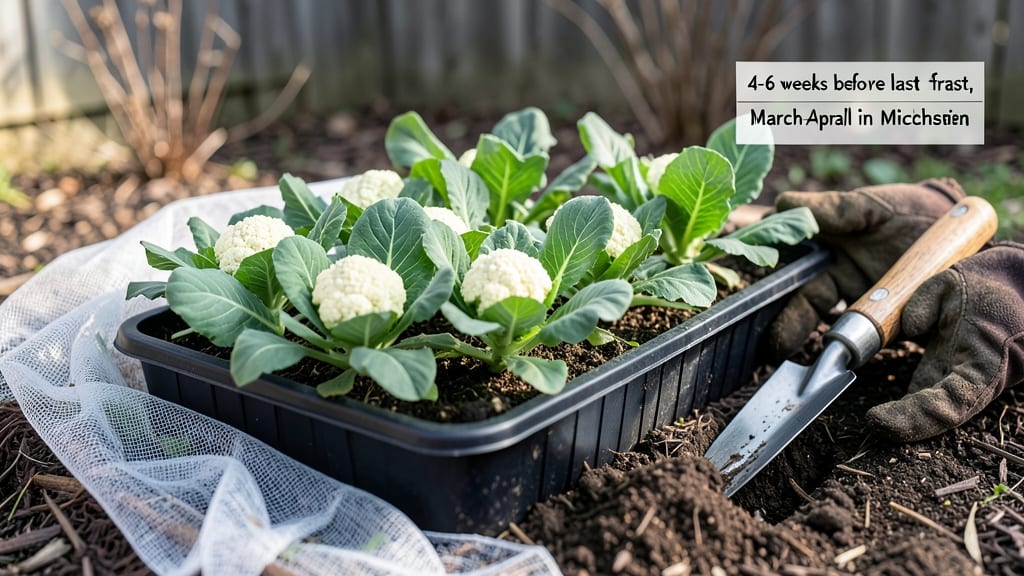
Planting cauliflower in Michigan isn’t just about grabbing seeds and sticking them in the dirt—it’s about beating frost, outsmarting summer heat, and working with your local climate. Timing is everything, especially when you’re dealing with Zone 5b-6b frosts that can turn your hard work into a sad, icy memory if you’re not careful.
Most gardeners in Michigan know the drill: spring or fall crops, but getting the exact window right means the difference between a bumper harvest of 🥬 and a patch of wilted disappointment.
Whether you’re a first-timer or a seasoned grower, I’ll break down the science-backed planting dates—including when to start seeds indoors and when to transplant—so you can avoid common pitfalls like bolting or frost damage.
Here’s the game-changer: Michigan’s unpredictable weather means you can’t just follow a generic calendar.
I’ll show you how to adjust your schedule based on your specific region—whether you’re in Detroit, Grand Rapids, or Traverse City—and how to use row covers or soil warming tricks to give your cauliflower the best shot at success.
Ready to grow heads of cauliflower that are as perfect as they are plentiful? Let’s dive into the exact steps, from seed to harvest, so you can enjoy your homegrown 🥬 at its peak—just in time for summer dinners or fall feasts.
Michigan cauliflower planting dates by frost Zone (5-6) with exact timing
Michigan’s Zone 5b-6b climate gives you two prime windows for growing cauliflower: spring and fall. But getting the timing right means avoiding frost damage in spring or bolting in summer heat. The key is working with your last frost date—typically mid-April in most regions—and planning accordingly.
Whether you’re in Detroit, Grand Rapids, or Traverse City, these exact dates will help you maximize your harvest.
For spring crops, start seeds indoors 6-8 weeks before your last frost date—usually by early March. Transplant seedlings outdoors when soil reaches 60°F+, typically late April to early May.
Fall crops require a different approach: sow seeds indoors late June to early July for transplanting in late July or August, ensuring heads mature before first frost (usually mid-October).
Here’s the breakdown for Michigan’s major regions, including exact transplanting windows and frost-free day calculations to avoid common pitfalls like premature bolting or frost damage.
| Region | USDA Zone | Last Frost Date | Spring Transplant Window | Fall Transplant Window | Frost-Free Days |
|---|---|---|---|---|---|
| Detroit | 6a | April 15 | May 1 - May 15 | July 20 - August 5 | 140-150 |
| Grand Rapids | 5b | April 20 | May 10 - May 25 | July 25 - August 10 | 130-140 |
| Traverse City | 5b | April 25 | May 15 - June 1 | July 30 - August 15 | 120-130 |
If you’re direct sowing (skipping the transplant step), adjust your timeline by 2-3 weeks earlier—seeds need warmer soil to germinate. For example, in Detroit, direct sow mid-May for spring crops.
However, transplanting seedlings gives you more control over timing and reduces stress on young plants, so it’s often the better choice for Michigan’s variable weather.
Pro tip: Use row covers or black plastic mulch to warm soil faster in spring, extending your transplant window by 1-2 weeks. This is especially helpful in cooler zones like Traverse City, where frost lingers longer.
For fall crops, prioritize heat-tolerant varieties like ‘Purple of Sicily’ to handle late-summer heat before the first frost hits.
For gardeners in Zone 6a (like Detroit), aim for a 70-day variety like ‘Snowball Y Improved’ to ensure heads mature before frost. In Zone 5b (Grand Rapids/Traverse City), opt for 60-day varieties to account for shorter growing seasons.
Always check your seed packet for days-to-maturity and count backward from your first frost date to calculate your planting window.
One common mistake is planting too late in spring, only to have cauliflower heads form just as summer heat arrives. This causes bolting (premature flowering) or bitter, loose heads.
To prevent this, stagger plantings: start a second batch of seeds 2-3 weeks after your first transplant for a continuous harvest. For fall crops, plant your last batch by mid-August to ensure heads mature before frost.
Remember, Michigan’s weather is unpredictable—always have a backup plan. If late frosts delay your spring planting, use row covers to protect seedlings. For fall, monitor weather forecasts and consider extending your season with cold frames if frost arrives early.
With these exact dates and strategies, you’ll be well on your way to a bountiful cauliflower harvest—whether you’re serving it roasted, in soups, or as a side dish.
Now that you’ve got your timing down, stay tuned for tips on adjusting for Michigan’s unpredictable weather patterns—because even the best-laid plans need flexibility when Mother Nature throws a curveball. Happy planting! 🌱
How to adjust planting times for Michigan’s unpredictable weather patterns
Michigan’s weather is famously fickle—one week you’re shivering through frost, and the next, your garden is baking under 90°F heat. For cauliflower, this unpredictability can turn a promising crop into a lost cause if you’re not prepared.
The key is flexibility: knowing when to push your planting window or pull back to protect your plants from late frosts or early heatwaves.
I’ve learned the hard way that rigid planting schedules don’t work here. Instead, I rely on a mix of row covers, soil warming, and backup planting dates to hedge my bets.
Whether you’re in Detroit, Grand Rapids, or Traverse City, these strategies will help you adjust your timeline based on real-time conditions—not just a calendar.
Pro Tip: Use a frost-free date calculator (like the one from Michigan State University Extension) to fine-tune your schedule. For example, Traverse City often has 10-14 days earlier last frosts than Detroit, so shift your spring planting 2 weeks earlier to match.
One of my go-to tricks is using row covers to extend the growing season. A lightweight floating row cover (like Reemay) can protect seedlings from light frosts down to 25°F.
I plant my cauliflower seedlings 2-3 weeks earlier than the official last frost date, then cover them at night until the soil warms up. This gives me a 21-day head start on the season, which is critical for varieties that need 70-80 days to mature.
For soil warming, I swear by black plastic mulch or straw mulch in early spring. Laying down a 2-3 inch layer of straw around seedlings raises soil temperatures by 5-10°F, helping roots establish faster in cool conditions.
Pair this with a cold frame on especially chilly mornings, and you’ll mimic the warmth of a Zone 6 garden even in Zone 5.
But what if summer hits early? Heat stress causes cauliflower to bolt (send up flowers) or develop small, tough heads. My backup plan is a fall planting schedule—I sow seeds in late July for a September-October harvest, avoiding the worst heat.
I also choose heat-tolerant varieties like 'Purple of Sicily', which handles 85°F+ better than standard white types.
Finally, keep a backup planting date ready. If your spring crop gets nipped by frost, have transplants on standby for early June. Similarly, if your fall crop stalls due to cool weather, extend the season with a hoop house or row cover to trap heat.
Flexibility is your best tool against Michigan’s whims.