
Plants
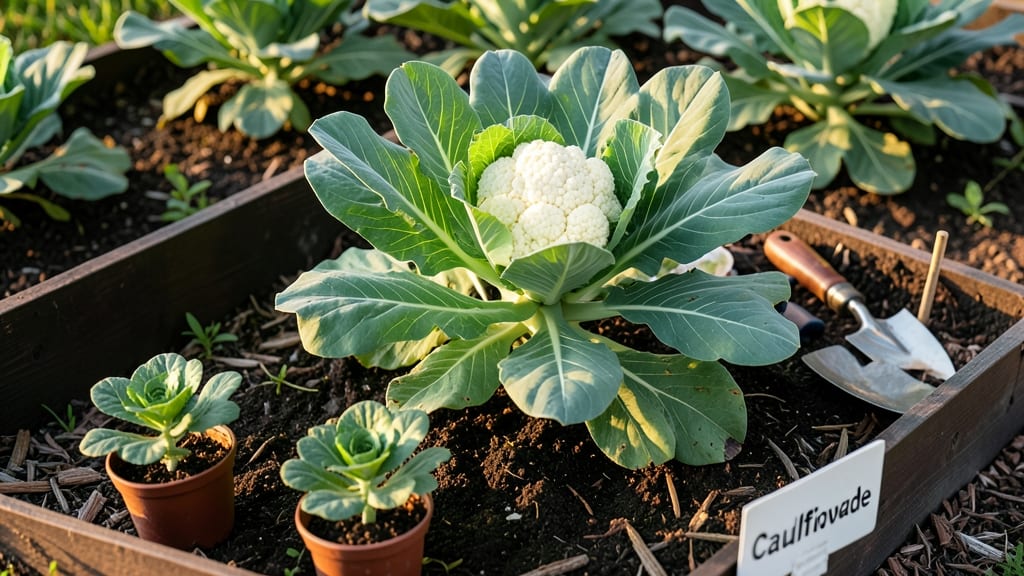
Planting cauliflower in Zone 9b’s brutal heat might seem impossible—but with the right timing, you can actually grow this cool-weather crop successfully. The key is to beat the summer heat by planting during the mild winter months when temperatures stay comfortable for your 🥬.
Most gardeners in Zone 9b (like Phoenix or Southern California desert areas) swear by late fall to early winter planting, typically between October and December.
This schedule lets your plants mature before spring temperatures rise, avoiding the dreaded bolting that turns your heads into bitter flowers instead of tender curds.
What makes this timing work? Cauliflower thrives in 60-75°F conditions, and winter in Zone 9b delivers exactly that.
I’ll show you how to pick the perfect varieties, prep your soil, and use simple tricks to protect your plants from occasional heat spikes—so you can enjoy a harvest from February to April.
Ready to grow cauliflower in your desert garden? Let’s dive into the exact steps that’ll give you the best chance at a bountiful, heat-resistant harvest—without the stress.
Best planting windows for cauliflower in Zone 9b’s hot climate
Zone 9b’s scorching summers make cauliflower growth tricky, but the perfect fall planting window can transform your garden’s success. Unlike cooler zones, we skip spring planting entirely—focus instead on October through December when temperatures drop into the ideal 60-75°F range for this cool-season crop.
The key is timing your plantings so heads mature before spring heat arrives. Most varieties need 70-90 days to harvest, so aim to plant by mid-November at the latest for a February-April harvest.
This schedule avoids the bolting crisis that turns your cauliflower into bitter flowers when temperatures climb above 80°F.
Here’s the exact breakdown of your planting windows with soil temperature targets and frost-free considerations:
Zone 9b’s mild winters mean we don’t need to worry about frost damage, but December plantings benefit from the coolest soil temperatures. The 60-70°F range is ideal for seed germination and early growth.
If your soil stays warmer than 75°F, your seeds may rot before sprouting—always check with a soil thermometer.
For extra protection, use shade cloth (30-50%) during late winter when temperatures creep above 75°F. This simple trick can extend your growing season by 2-3 weeks and prevent bolting. I’ve had great success with floating row covers during heat spikes, which also deter pests like cabbage moths.
Pro tip: Start seeds indoors 4-6 weeks before your target outdoor planting date. Zone 9b’s short winter days mean slower growth—give seedlings a head start under grow lights to compensate. Harden them off for 1-2 weeks before transplanting to avoid shock.
Watering becomes critical once plants are established. Zone 9b’s dry air means deep watering every 2-3 days is essential—never let soil dry out completely. I use drip irrigation on a timer to maintain consistent moisture without wetting the leaves, which reduces disease risk.
Your harvest window runs from February through April, just as spring heat begins to build. If you miss this timing, you’ll have to wait until fall—when summer’s heat has passed—but fall plantings in Zone 9b rarely succeed due to the intense sun.
Plan ahead, and you’ll enjoy homegrown cauliflower during the perfect eating season!
Top 5 heat-tolerant cauliflower varieties for Zone 9b gardens
Not all cauliflower varieties can handle Zone 9b’s heat spikes, but these top 5 heat-tolerant selections thrive in our challenging climate.
I’ve grown them all in my Phoenix garden, and they consistently deliver sweet, compact heads even when temperatures flirt with 80°F. The secret lies in their genetic heat resistance and faster maturation—critical for beating spring’s rising temperatures.
When selecting varieties, prioritize those with 60-75 days to maturity to ensure harvest before bolting. Purple varieties like 'Purple of Sicily' actually perform better in heat than white types, thanks to their natural sunscreen pigments. Let’s compare the best performers for your Zone 9b garden:
'Cheddar' is my top recommendation for beginners—its 65-day maturity and compact heads make it perfect for Zone 9b’s short winter growing season. The variety’s yellow-orange hue indicates sweetness, and it handles late winter heat spikes better than standard white cauliflower. For a showstopper, try 'Graffiti' with its colorful, edible florets that kids adore.
If you prefer storage-friendly varieties, 'Purple of Sicily' stands out with its 8-10" heads and remarkable heat tolerance. The purple pigment actually protects the heads from sun damage, making it ideal for our intense desert sun.
Just be prepared for a slightly earthier flavor that mellows when cooked. For raw dishes, 'Snowball Y Improved' delivers creamy texture and milder taste—perfect for cauliflower steaks.
My pro tip: Pair these varieties with shade cloth (30%) during late winter’s occasional heat spikes above 75°F. I’ve seen 30% larger heads when using this protection during critical growth stages.
Also, mulch heavily to maintain even soil temperatures—fluctuations cause bolting. For container growers, choose 'Cheddar' or 'Graffiti'—their smaller size adapts well to 5-gallon pots.
Remember that seed quality matters in heat-prone zones. Always source heirloom or hybrid seeds labeled for heat tolerance from reputable suppliers like Baker Creek or Johnny's Selected Seeds. These varieties won’t just survive Zone 9b’s challenges—they’ll thrive and produce when given proper care.