
Plants
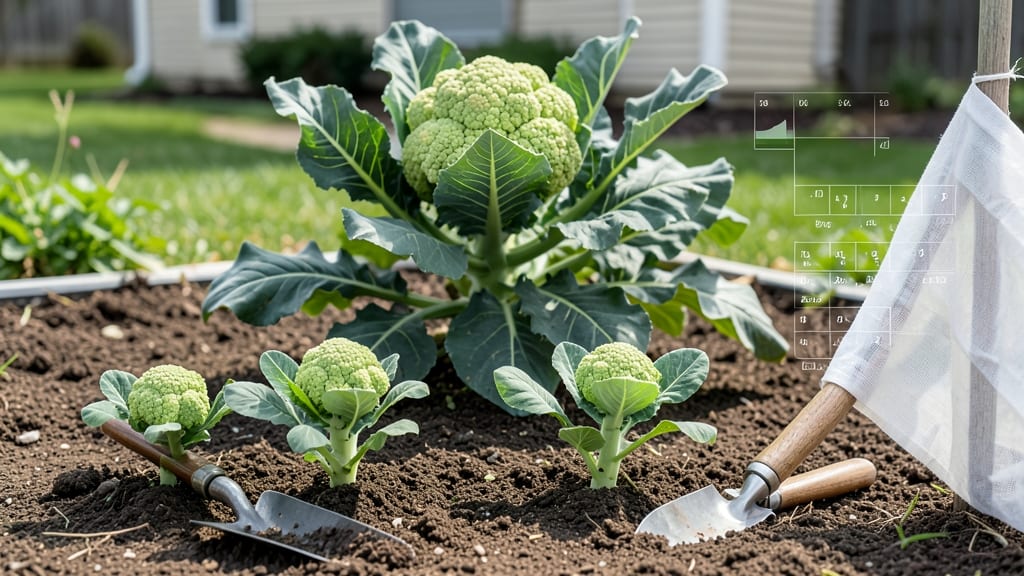
Planting cauliflower in North Carolina at the wrong time can turn your 🥬 dreams into bitter disappointment—frost kills tender seedlings, while summer heat sends plants bolting too fast. The secret to success lies in understanding your local micro-climate, because what works in the Piedmont might fail in the Mountains.
In USDA zones 7a-8b, your best bets are early spring (February-March) or late summer (July-August) plantings, timed to avoid both frost and scorching heat. But here's the catch: coastal areas can handle slightly earlier starts than inland zones, where nights stay chill longer.
Let me show you exactly how to sync your planting with NC's unpredictable weather patterns.
You'll learn the precise frost-free windows for your region, plus how to stretch your harvest season with simple tricks like row covers. No more guessing games—just reliable, science-backed timing that actually works for NC gardeners. Ready to grow perfect heads every time?
Whether you're a first-time gardener or a seasoned pro, these insights will help you beat the clock and enjoy homegrown cauliflower from May through November. Let's get those seeds in the ground at exactly the right moment.
NC cauliflower planting dates by micro-climate zone (frost-free timing)
North Carolina’s five distinct micro-climates create wildly different frost-free windows for cauliflower. In the Coastal Plain, mild winters let you start as early as January 15, while Mountain regions wait until April 1 to avoid late frosts.
Each zone has unique soil temperature thresholds—cauliflower roots need 40°F+ soil to thrive, and heads form best in 60-75°F conditions.
Your USDA zone (7a-8b) matters less than local frost data. For example, Raleigh (Piedmont) averages its last frost on March 15, but Asheville (Mountains) holds off until April 15. Planting too early risks frost damage; too late, and summer heat triggers bolting (premature flowering).
This guide gives you precise transplant windows for each region, plus soil temp checks to nail timing.
⚠️ CRITICAL: Cauliflower bolts when days exceed 14 hours of light (common by June). In NC’s southern zones, this means your last planting should finish by mid-July. For fall crops, aim to harvest before first frost—typically October 15 (Coastal) to November 15 (Mountains).
| Region | USDA Zone | Last Frost Date | Spring Transplant Window | Fall Transplant Window | Soil Temp Threshold |
|---|---|---|---|---|---|
| Coastal Plain (Wilmington) | 8a-8b | Feb 28 - Mar 10 | Feb 15 - Mar 15 | Jul 15 - Aug 10 | 45°F+ (soil) |
| Piedmont (Raleigh) | 7b-8a | Mar 15 - Mar 25 | Mar 1 - Apr 1 | Jul 1 - Jul 31 | 40°F+ (soil) |
| Foothills (Greensboro) | 7a-7b | Mar 25 - Apr 5 | Mar 15 - Apr 15 | Jun 20 - Jul 15 | 42°F+ (soil) |
| Sandhills (Pinehurst) | 7b-8a | Mar 10 - Mar 20 | Feb 28 - Mar 31 | Jul 1 - Jul 20 | 43°F+ (soil) |
| Mountains (Asheville) | 6b-7a | Apr 15 - Apr 30 | Apr 1 - May 1 | Jun 1 - Jun 20 | 45°F+ (soil) |
For Coastal NC, start transplants by February 15—soil warms faster here, but verify with a soil thermometer. In Raleigh’s Piedmont, wait until March 1 to avoid 28°F frosts that can kill young plants. My rule of thumb: plant when night temps stay above 40°F consistently.
In Mountain regions, the later frost dates mean you can push fall plantings into early June for a late-October harvest. Use quick-maturing varieties like ‘Snowball Y Improved’ (58 days) to beat the first frost.
Pro tip: harden off transplants for 7-10 days before setting them out—this toughens leaves against temperature swings.
Soil temperature is your secret weapon. Cauliflower roots need 40°F+ to establish, but heads form best in 60-75°F. Use a soil thermometer to confirm readiness—Coastal zones hit 50°F by mid-February, while Mountains
How to extend your cauliflower season in NC (cold frames, row covers, and succession planting)
North Carolina gardeners know the struggle—cauliflower heads mature fast, but our short growing seasons and unpredictable frosts can cut harvests short. The good news? With the right techniques, you can extend your cauliflower season by 4-6 weeks or even longer.
I’ve tested these methods in my Piedmont garden, and they’ve added hundreds of pounds of extra harvests each year.
Whether you’re dealing with early spring chills or late fall frosts, protective structures and smart planting schedules are your secret weapons. Let’s break down the most effective ways to keep your 🥬 thriving when the weather turns against you.
Extending Cauliflower Season: Pros & Cons
✅ 4-6 week extension
✅ Lightweight & portable
✅ Protects from light frost & pests
❌ Can overheat on hot days
❌ Requires staking for windy conditions
✅ 8-10 week extension
✅ Works in winter months
✅ No electricity needed
❌ Higher initial cost
❌ Needs ventilation on warm days
✅ Staggered harvests all season
✅ No extra equipment needed
✅ Prevents bolting from heat
❌ Requires space management
❌ Needs precise timing
💡 Best for NC: Combine row covers (spring/fall) with succession planting for maximum yield.
Starting with row covers is the easiest way to extend your season. These lightweight fabrics block light frosts (28-32°F) while allowing sunlight and water through. In my garden, I use them from late March through May for spring plantings and again in September-October for fall crops.
The key is securing them tightly with bricks or stakes to prevent wind damage.
For a more ambitious approach, cold frames let you grow cauliflower through winter months in NC’s milder zones (like the Coastal Plain). My unheated cold frame has kept purple cauliflower varieties producing heads as late as January.
Just remember to crack the lid on sunny winter days to prevent overheating—cauliflower hates heat stress almost as much as frost!
Don’t overlook succession planting—this is how I’ve doubled my harvest without extra equipment. Instead of one big planting, I stagger seeds every 2-3 weeks from February through April for spring, and again from July through August for fall.
This ensures a steady supply of fresh heads when others are scrambling for grocery store options.
Pro tip: Pair your extended-season methods with slow-bolting varieties like ‘Snowball Y Improved’ or ‘Purple of Sicily’. These stay productive longer in warm-but-not-hot conditions, giving you that extra edge when temperatures flirt with 90°F+. Just be ready to harvest quickly once heads form!
With these techniques, you can enjoy homegrown 🥬 from late April through December—no more waiting for store-bought heads that taste like cardboard. The initial setup takes effort, but once you’ve got your system down, it’s pure gardening gold. Happy growing!