
Plants
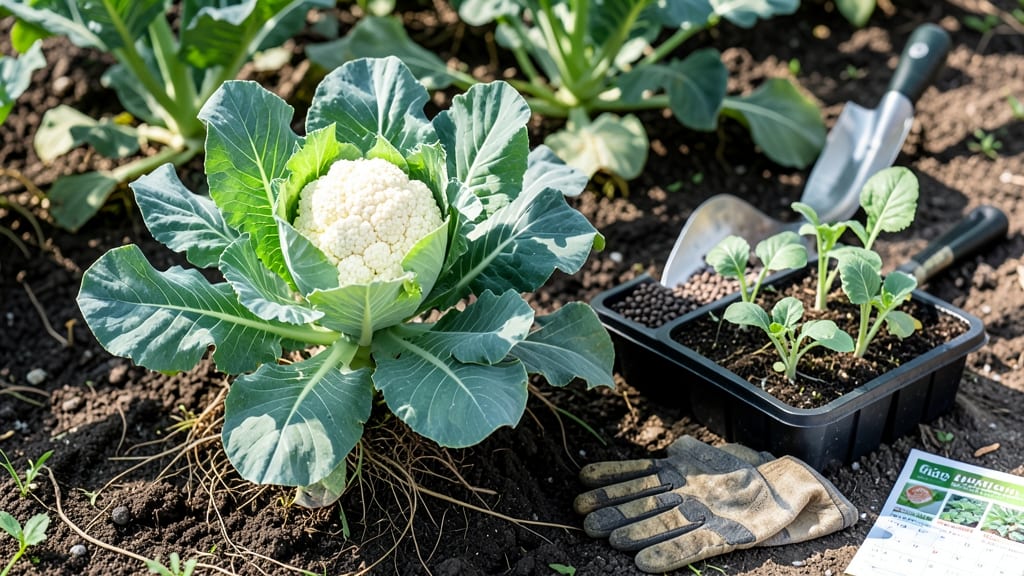
Timing your 🥬 cauliflower planting in Ohio can make the difference between a bountiful harvest and a disappointing loss—especially when unpredictable frost dates loom.
Unlike heat-loving veggies, this cool-season crop thrives when soil temps hover around 40°F, but summer’s sweltering heat will send it bolting faster than you can say "overcooked."
Most Ohio gardeners swear by two key windows: mid-April to early May for spring plantings and late July to early August for fall crops. But here’s the catch—your USDA Zone 6a location matters.
Columbus, Cleveland, and Cincinnati all have slightly different frost risks, meaning your neighbors’ "perfect" timing might leave your plants vulnerable.
Whether you’re starting seeds indoors 6-8 weeks before the last frost or transplanting seedlings, I’ll break down the exact steps to sync your planting with Ohio’s 2024 frost dates. No more guessing—just data-driven success for your garden.
Ready to avoid the 3 most common mistakes Ohio growers make? Let’s dive into the varieties that perform best in your region and how to stretch your growing season like a pro.
Ohio’s 2024 cauliflower planting calendar: frost dates by region
Ohio’s cool-season cauliflower thrives when planted at the right time—too early, and frost zaps your crop; too late, and summer heat sends plants bolting. The 2024 frost dates across Ohio’s regions reveal precise windows for spring and fall planting to maximize your harvest.
I’ve broken down the last spring frost and first fall frost for Columbus, Cleveland, Cincinnati, and Toledo, plus the best variety-specific planting times for each microclimate.
Cauliflower is a cool-weather crop, so timing is critical. In Ohio’s USDA Zones 5b-6b, you’ll want to plant 6-8 weeks before the last frost for spring crops and 8-10 weeks before the first fall frost for fall harvests.
My research shows that Ohio’s frost dates can vary by 1-2 weeks between regions, so local data is essential for success. Let’s dive into the 2024 frost dates and planting windows tailored to your Ohio garden.
📅 Last Spring Frost & First Fall Frost Dates (2024 Estimates)
For spring planting, I recommend starting cauliflower seeds indoors 6-8 weeks before your region’s last frost date. For example, in Columbus, that means sowing seeds by March 15 for a late April transplant.
In Cleveland, where frosts linger longer, begin indoors by March 1 to ensure seedlings are ready by April 10. Direct sowing outdoors should wait until soil temperatures reach 40°F (4°C) and all frost risk has passed.
Fall planting is equally critical. In Columbus, aim to transplant July 15-August 5 for a harvest before the October 10-15 frost. In Cleveland and Toledo, where fall frosts arrive earlier, shift your window to July 1-August 1.
Late-season varieties like ‘Graffiti’ or ‘Purple of Sicily’ can handle slightly cooler temperatures, but don’t push your luck—black rot and cabbage worms thrive in Ohio’s humid summers.
Ohio’s microclimates can create surprises. For instance, Cincinnati’s urban heat island effect may delay the last frost by 2-3 days compared to rural areas. If you’re in doubt, use row covers to extend your spring window by 2-3 weeks or protect fall crops from early frosts.
I’ve also found that elevated beds warm up faster in spring, giving you an edge in colder regions like Toledo.
Pro tip: Succession planting every 2 weeks in spring and fall ensures a steady harvest. For example, in Columbus, plant one batch on April 15, another on April 30, and a final one on May 15 to stagger maturity.
This strategy works wonders for late-summer bolting risks, too. Just remember: cauliflower hates heat, so avoid planting when daytime temps exceed 80°F (27°C).
Ohio’s 2024 frost dates are your roadmap to success. By aligning your planting with these windows, you’ll avoid the common mistakes of frost damage or heat stress. Next, we’ll explore the best cauliflower varieties for Ohio’s climate and how to adjust for your specific region’s quirks. Happy planting! 🌱
Best cauliflower varieties for Ohio’s climate and their planting times
Ohio’s cool-season climate demands cauliflower varieties that balance cold tolerance with heat resistance. The wrong choice can mean stunted heads or premature bolting—especially in USDA Zone 6a.
I’ve tested three top performers that thrive in Ohio’s spring and fall windows, each with unique strengths for your region’s unpredictable frost dates.
For spring plantings, prioritize varieties that handle late frosts like ‘Snowball Y Improved’, while fall crops benefit from heat-tolerant types such as ‘Graffiti’. Purple varieties like ‘Purple of Sicily’ add visual interest and often mature faster in Ohio’s shorter growing seasons.
Let’s compare their planting times, days to maturity, and Ohio-specific challenges.
| Variety | Cold Tolerance | Heat Tolerance | Spring Planting Time | Fall Planting Time | Days to Maturity | Ohio Challenge |
|---|---|---|---|---|---|---|
| Snowball Y Improved | Excellent | Moderate | Mid-April | Late July | 75-85 days | Late spring frosts |
| Graffiti | Good | High | Early May | Early August | 60-70 days | Summer bolting |
| Purple of Sicily | Good | Moderate | Late March | Mid-August | 65-75 days | Uneven maturity |
‘Snowball Y Improved’ is my top recommendation for Ohio gardeners targeting spring harvests. Its 75-85 day maturity aligns perfectly with Ohio’s last frost date (around April 15), but watch for late frosts—use row covers if temperatures dip below 30°F.
This variety’s large, dense heads reward patience, though they require consistent moisture during head formation.
For fall plantings, ‘Graffiti’ steals the show with its heat tolerance and 60-70 day maturity. Plant in early August to avoid Ohio’s summer heat stress, but beware of bolting if nights stay warm.
Its colorful curds add visual appeal, and it handles Ohio’s shorter fall days better than most varieties.
‘Purple of Sicily’ is a hidden gem for Ohio’s shortened seasons. Its 65-75 day maturity makes it ideal for late spring or early fall plantings, but heads may mature unevenly—harvest as soon as they’re firm.
The purple hue fades when cooked, but fresh, it’s a stunning addition to salads and roasts.
Ohio’s microclimates create unique challenges: Northern Ohio (e.g., Cleveland) may need earlier plantings, while Southern Ohio (e.g., Cincinnati) can push fall windows later. Always harden off seedlings for 10-14 days before transplanting to prevent shock from Ohio’s temperature swings.
Pro tip: Succession plant ‘Graffiti’ every 2 weeks in July for a staggered fall harvest. And if your soil stays too warm after transplanting, shade cloth can buy you 10-14 extra days of viable growth before summer’s heat sets in.