
Container Gardens
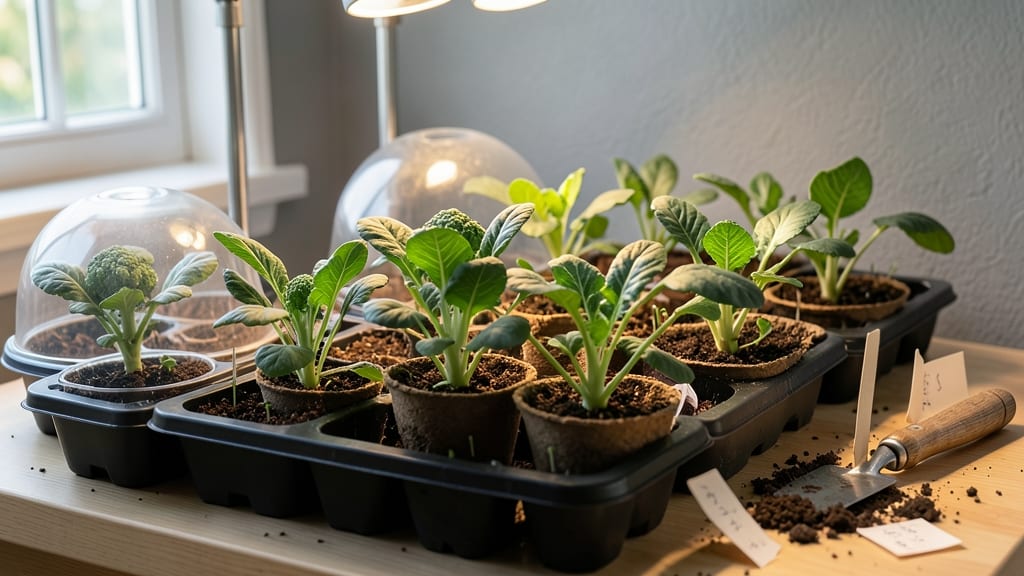
Starting cauliflower seeds indoors at the wrong time can mean the difference between a thriving 🥬 harvest and a garden full of disappointment. For USDA Zone 6a, timing is everything—plant too early, and you’ll battle leggy seedlings; too late, and you’ll miss the spring planting window entirely.
Most gardeners swear by the 6-8 weeks before last frost rule, but that’s just the starting point. In Zone 6a, where the last frost typically hits around April 15, you’ll want to begin seeds indoors in early February to give them the head start they need.
This schedule ensures your seedlings are robust enough to handle transplant shock and thrive once moved outdoors.
But here’s the catch: temperature plays a critical role. Cauliflower seeds need consistent warmth (60–70°F) to germinate properly, and even a slight dip can stall growth.
I’ll show you exactly how to adjust your schedule based on your local climate—whether you’re in the cooler Northern Hemisphere or a warmer Southern region—to maximize your chances of success.
Ready to avoid common pitfalls and grow healthy, transplant-ready cauliflower seedlings? Let’s break down the exact steps, from seed selection to hardening off, so you can enjoy a bountiful harvest from June through August.
Zone-by-Zone schedule: exact weeks before last frost for cauliflower seed starting
Cauliflower thrives when given the right head start, but the perfect indoor seed-starting window shifts dramatically across USDA zones. In Zone 3, where winters are brutal, you’ll need to begin seeds 8-10 weeks before last frost—often by late January—to account for slow germination in cool conditions.
Meanwhile, in Zone 10, where frost is rare, a 4-6 week indoor start in early February gives seedlings just enough time to mature before summer heat sets in.
Regional variations matter too. High-altitude areas (like Denver or Salt Lake City) may need to push starting dates 1-2 weeks earlier due to cooler nights, even if they share the same USDA zone as lower-elevation neighbors.
The key is balancing seedling maturity (ready to transplant at 4-6 inches tall) with your local frost-free date.
Cold-hardy varieties like 'Snowball Y Improved' tolerate cooler soils and can handle 50°F transplant temperatures, while heat-sensitive types like 'Purple of Sicily' need 60°F+ soil to thrive. Choosing the right variety for your zone saves you from transplant shock headaches later.
In Zone 5, where I garden, I’ve found that starting seeds February 15 gives me robust seedlings ready for transplant by April 15, just as the soil warms.
The trick is using a heat mat to maintain 65–70°F soil temps during germination—cauliflower seeds need warmth to break dormancy, and my basement windowsill rarely hits that mark.
For Zone 7+, where frost arrives late, you can stretch your schedule by starting seeds as late as early February and transplanting in March. But beware: heat-sensitive varieties like 'Romanesco' bolt quickly when daytime temps exceed 75°F.
I’ve had success with shade cloth during summer months to keep plants cool.
High-altitude gardeners in Zone 6 (think Colorado or Utah) should adjust their timelines by 10–14 days. Cooler nighttime temps slow growth, so I start seeds March 1 instead of February 15.
A grow light setup becomes non-negotiable—my seedlings stretch toward the window like teenagers reaching for candy if I don’t supplement natural light.
Pro tip: If your local frost date is unpredictable, add a 10-day buffer to your starting window. Last year, my Zone 6 area had a late frost in May, and my early-started seedlings were ready to go in April.
I had to harden them off early and keep them in 5-gallon pots until the coast was clear.
Remember, seedling age at transplant is more critical than calendar dates. Aim for 4–6 inches tall with 5–7 true leaves—this ensures they’ve built strong root systems to handle outdoor conditions.
In Zone 8, where I’ve helped friends garden, we often transplant smaller seedlings (3–4 inches) to avoid heat stress.
Finally, don’t overlook regional microclimates. A Zone 7 garden in the Sierra Nevada foothills may need the same schedule as Zone 6 due to cooler nights. I once saw a Zone 7 gardener in Arizona’s low desert start seeds in December—their mild winters let them grow cauliflower year-round!
With this zone-by-zone guide, you’ll avoid the heartbreak of leggy seedlings or
How to calculate your perfect seed-starting date (even if you don’t know your frost date)
Don’t stress if you’ve never tracked your last frost date—calculating the perfect time to start cauliflower seeds indoors is simpler than you think. The key is using free online tools and adjusting for your plant’s specific needs.
Cauliflower, for example, needs 6-8 weeks of indoor growth before transplanting, but germination speed and transplant shock can shift that window by 1-2 weeks.
Start by checking the National Weather Service or your local cooperative extension service for frost dates. If you’re in Zone 6a (like me), aim for early February starts, but add a 10-day buffer if your home stays cooler than 60°F.
Even a slight delay in germination can throw off your entire schedule.
⚠️ WARNING: THE 6-8 WEEK RULE ISN’T ONE-SIZE-FITS-ALL ⚠️
✅ Fix: Add 10 days to your countdown if:
- Your home stays below 65°F during germination
- You’re growing a slow-germinating variety
- Your last frost date is unpredictable (e.g., high-altitude areas)
Once you’ve nailed down your frost date, subtract 6 weeks for standard varieties, then adjust for transplant shock. Cauliflower seedlings need 2-3 weeks to recover after moving outdoors, so I recommend starting mine 7 weeks before the last frost in cooler zones. For example, if your frost date is April 15, begin seeds by March 1.
For beginners, a 10-day buffer calculator simplifies the process. Here’s how to use it:
- Find your last frost date (National Weather Service).
- Subtract 6 weeks for standard varieties.
- Add 10 days if your home is cooler than 65°F or you’re growing a slow-germinating type.
- Start seeds on that adjusted date.
Don’t forget to account for bolting risks in warm climates. If you’re in Zone 8 or higher, start seeds in late winter (January-February) to avoid summer heat stress. In these areas, I’ve had success with shade cloth during peak afternoon sun to delay bolting.
Finally, track your seedlings’ progress with a growth journal. Note when they sprout, reach 2 inches tall, and develop true leaves. This helps you fine-tune next year’s schedule. With practice, you’ll master the art of timing—no frost date required!