
Plants
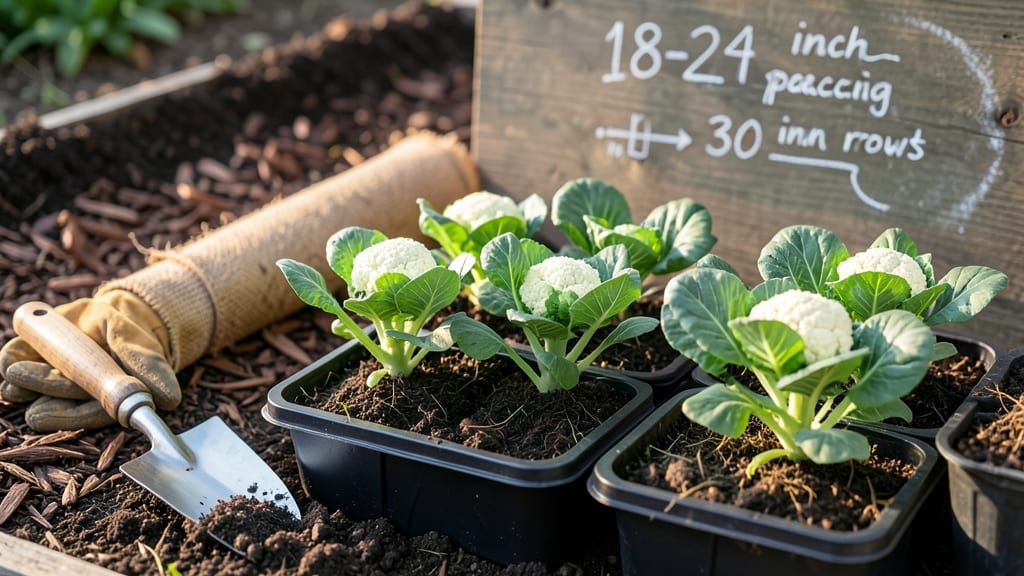
Planting cauliflower in Zone 7 at the wrong time can turn your dream harvest into a sad, bolted mess—because this cool-loving crop hates summer heat. The secret to crisp, flavorful heads? Nailing that 4-week window before your last frost, whether you're sowing seeds or transplanting starts.
Most gardeners in Zone 7 know spring is the prime time, but did you realize you can also grow a fall crop? The key is understanding your local frost dates and soil temperatures—50–60°F is ideal for those little seedlings to thrive.
Miss this window, and you risk stunted growth or bitter-tasting heads that bolt too soon.
I’ve tested both early spring and late summer plantings, and the results speak for themselves: timing makes all the difference. Whether you’re a beginner or a seasoned grower, this guide will help you calculate exact dates, prep your soil, and even extend your harvest with simple tricks like row covers.
Let’s dive into the best months to plant, how to adjust for your specific Zone 7 microclimate, and the most common mistakes that sabotage cauliflower crops—so you can enjoy a bountiful harvest from 🥬 to table.
Zone 7 cauliflower planting calendar: exact dates for spring and fall success
Cauliflower is a cool-season crop that demands precision timing in Zone 7. The 4-week window before your last frost date is critical—plant too early, and you risk bolting from cold stress; too late, and summer heat will stifle head formation.
For most of Zone 7, this window typically falls between mid-March and mid-April for spring and mid-August to early September for fall. But don’t rely solely on averages—your local microclimate matters!
In Zone 7, average last frost dates range from March 15 to April 15, depending on your exact location. For example, Atlanta’s last frost is usually around March 20, while Raleigh’s is closer to April 5.
Soil temperature is just as important as air temperature—cauliflower seeds need 50–60°F soil to germinate, and transplants thrive at 55–75°F. Use a soil thermometer to confirm readiness before planting.
For spring planting, start by transplanting 4–6 weeks before your last frost date. If you’re direct sowing, wait until soil is at least 50°F—colder temps will delay germination.
Varieties like ‘Snowball Y Improved’ or ‘Purple of Sicily’ are excellent choices for Zone 7, as they tolerate cooler temperatures better than heat-sensitive types. Harden off seedlings for 7–10 days before transplanting to avoid shock.
Fall planting requires even more precision. Aim to transplant 100–120 days before your first frost (typically mid-August to early September in Zone 7). This ensures heads mature before winter sets in.
Choose early-maturing varieties like ‘Early White’ or ‘Graffiti’ (purple cauliflower) for fall harvests. Avoid planting too late—cauliflower needs cool nights (50–60°F) to form tight heads.
Direct sowing cauliflower in Zone 7 is less common but possible. For spring, sow seeds 2–3 weeks before your last frost date in warm soil (60°F+). For fall, direct sow 8–10 weeks before first frost in cooler soil (55°F).
However, transplants generally yield better results, especially in Zone 7’s variable climate. If you direct sow, thin seedlings to 18–24 inches apart to prevent competition.
Adjust your planting timeline if your Zone 7 area experiences early or late frosts. Check local weather patterns for the past 5 years—if frosts consistently arrive 2 weeks earlier or later than USDA averages, shift your planting window accordingly.
For example, if your last frost is April 1 instead of March 15, transplant 4 weeks earlier (mid-February). Use frost blankets or row covers to protect early transplants if needed.
One common mistake in Zone 7 is planting cauliflower too early in spring and letting it bolt from cold stress. If nighttime temps drop below 40°F, cover seedlings with frost cloth or row covers to shield them.
Conversely, planting too late in fall can result in stunted heads if summer heat lingers. Monitor your garden’s microclimate—shady spots or low areas may stay cooler longer, allowing for slightly later plantings.
Pro tip: Use succession planting to extend your harvest. In Zone 7, you can stagger transplants every 2–3 weeks from mid-March to early May for a continuous supply of fresh cauliflower.
For fall, plant a second crop in late July if your first transplanting window passes. Just ensure each batch has enough space to mature without overcrowding.
Remember, soil preparation is just as critical as timing. Cauliflower thrives in well-draining, slightly acidic soil (pH 6.0–6.8) rich in organic matter. Amend your soil with compost or aged manure before planting, and side-dress with balanced fertilizer (10-20-20) when heads begin to form.
Keep soil consistently moist—cauliflower hates drought stress, which can cause heads to split or become loose.
With the right timing and care, Zone 7 gardeners can enjoy two bountiful cauliflower harvests per year—one in late spring and another in fall. Mark your calendar, monitor soil temps, and don’t hesitate to use frost protection or row covers to safeguard your crop.
Soon, you’ll be feasting on homegrown, crisp cauliflower heads all season long! 🥬
How to extend your cauliflower season in Zone 7: frost protection and successive planting
Even in Zone 7, you can grow cauliflower well beyond the standard spring window by using smart frost protection and successive planting. The key is understanding your true last frost date—not just the USDA average—and knowing how to shield tender seedlings from unexpected cold snaps.
I’ve grown cauliflower through late fall and into early spring using these methods, and the results are worth the extra effort.
Your fall harvest can be just as rewarding as spring if you plant 100–120 days before your first frost (typically mid-October for Zone 7). This gives the plants enough time to mature before winter sets in.
The trick is to start seeds indoors in late July or early August, then transplant hardened-off seedlings into the garden in late August or early September.
Row covers and cold frames are your best friends for extending the season. A lightweight row cover can protect seedlings from a 20°F drop and even allow for early spring plantings in Zone 7. For fall, a cold frame can keep soil temperatures ideal for root growth even as nights get chilly.
📅 Zone 7 Cauliflower Planting Timeline for Extended Harvests
- 1. Early Spring Planting: Start seeds indoors 8–10 weeks before last frost (mid-January for Zone 7). Transplant outdoors 4 weeks before last frost (early March).
- 2. Fall Planting for Early Winter Harvest: Start seeds indoors late July. Transplant outdoors late August for harvest in October–November.
- 3. Frost Protection: Use row covers for 20°F protection or cold frames to extend season by 4–6 weeks in both spring and fall.
- 4. Successive Planting: Sow seeds every 2–3 weeks in spring (March–April) for staggered harvests through June–July.
- 5. Soil Prep for Fall: Amend beds with compost in July to warm soil for late-season growth. Test pH 6.5–6.8 for best results.
💡 Pro Tip: Use a soil thermometer to confirm 50–60°F soil temps before transplanting—cold soil slows root growth and delays maturity.
To calculate your true last frost date, check local weather records for the past 5 years and average the dates. For example, if your area’s last frost ranges from March 10–20, err on the side of caution and use March 15 as your target.
This ensures your seedlings aren’t caught off guard by late frosts.
For successive planting, sow a new batch of seeds every 2–3 weeks in spring (March–April) to ensure a steady supply of fresh heads. In fall, you can push it even further by using black plastic mulch to warm the soil and extend the growing window by 2–3 weeks.
Don’t forget to harvest before heads open—once the curds loosen, the flavor and texture decline rapidly. With these strategies, you can enjoy cauliflower from spring through fall in Zone 7, even if your growing season feels short. 🥬