
Plants
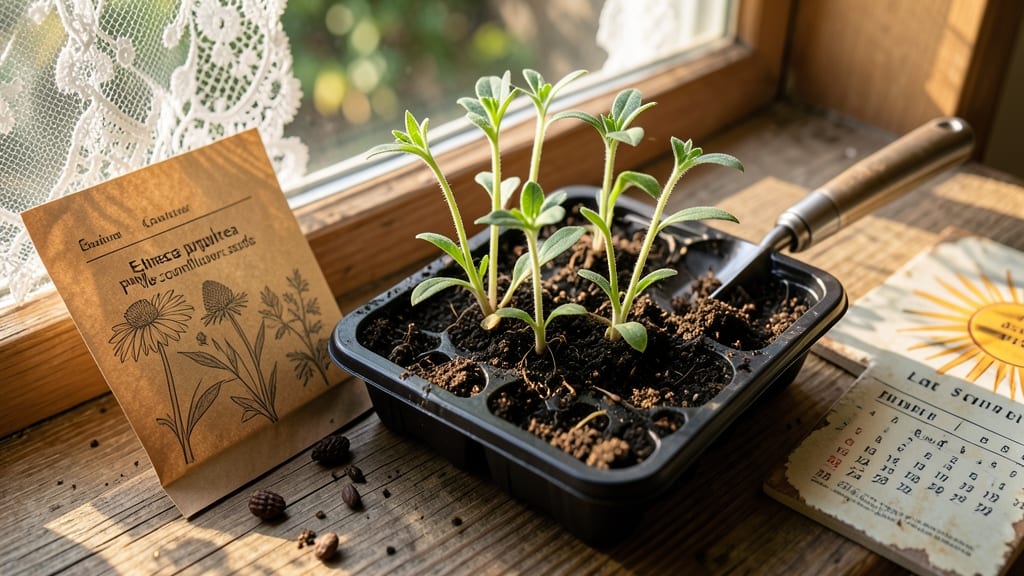
Planting coneflower seeds at the wrong time can mean waiting years for those stunning 🌼 blooms—or never seeing them at all. Whether you're in USDA Zone 6a or further south, timing your start indoors is the key to strong, healthy seedlings that thrive in your garden.
Most gardeners swear by starting coneflower seeds indoors 6-8 weeks before the last frost date. But here's the catch: your zone matters. In cooler regions like mine, that means kicking off seed trays in early spring, while warmer climates can stretch the window into late summer for a fall display.
In this guide, I'll break down the perfect planting schedule by zone, including soil prep tips and germination secrets. You'll learn exactly when to plant for faster growth and how to avoid common mistakes that kill seedlings before they even sprout.
Ready to transform your garden into a pollinator paradise? Let's dive into the step-by-step timing that makes all the difference for your 🌼 coneflowers.
Optimal indoor start dates for coneflower seeds by USDA zone
Getting your coneflower seeds started indoors at the right time ensures strong, healthy seedlings ready for transplanting when the weather warms up. Since coneflowers need 6-8 weeks indoors before their last frost date, your USDA zone determines when to begin sowing.
Plant too early, and seedlings may become leggy; too late, and you'll miss the outdoor planting window.
Coneflower seeds germinate best in 65-75°F soil, which is why indoor starting gives you control over temperature and light conditions. Most gardeners begin indoors 8-10 weeks before their average last frost date to account for potential delays.
For example, in USDA Zone 5, where last frosts often occur in mid-May, starting seeds around March 1st gives you a buffer for slow germination.
Below is a zone-specific schedule for indoor seed starting, including adjustments for regions with early or late frosts. Remember, coneflowers thrive in full sun and well-draining soil, so plan to provide 12-16 hours of light daily during their indoor phase to prevent weak stems.
For gardeners in Zones 3-4, where winters are harsh, starting seeds in late February ensures seedlings are robust enough to handle cooler spring temperatures. Use a heat mat if your home stays below 65°F to speed up germination, which can take 14-21 days under ideal conditions.
Place seed trays near a south-facing window or under grow lights to prevent leggy growth.
In Zones 5-6, where last frosts typically arrive in mid-April, aim to start seeds by March 1st. This gives you enough time to harden off seedlings before transplanting in late April.
If you live in a late frost region (e.g., Michigan's Upper Peninsula), delay starting until March 15th to avoid transplanting into cold soil.
Gardeners in Zones 7-8 have more flexibility, as their frost-free dates often arrive by early March. Starting seeds in January allows for earlier blooms, but be cautious—overheating from indoor heat can stress seedlings. Use a thermometer to maintain 70-75°F daytime temps and 60°F at night for optimal growth.
For Zones 9-10, fall is actually the better time to start coneflower seeds indoors. Sow in late November for transplanting in January, avoiding the heat of summer.
Coneflowers in warm climates often bloom year-round if given consistent moisture, so don’t hesitate to experiment with successive plantings every 6-8 weeks.
Regardless of your zone, always test soil temperature before transplanting outdoors—coneflower roots struggle in cold, wet soil. Wait until soil reaches at least
Outdoor planting timeline: when to transplant coneflower seedlings
Moving coneflower seedlings outdoors at the right time is just as critical as starting them indoors. If you transplant too early, a late frost can wipe out tender young plants, while waiting too long risks stunted growth or poor establishment.
The key is understanding your frost-free date and soil temperature requirements.
For most USDA zones, aim to transplant seedlings outdoors 2-3 weeks after the last average frost date when soil temperatures consistently reach 55°F (13°C). This timing ensures roots establish before summer heat arrives.
In my Zone 6a garden, that typically means early May, but your exact date depends on local microclimates.
Before transplanting, your seedlings should have 4-6 true leaves and sturdy stems. I always check for deep green foliage and avoid leggy seedlings—they struggle to recover outdoors. Proper preparation makes all the difference in survival rates.
⚠️ Critical Transplant Warning
Never transplant coneflowers when soil is cold or wet. Roots rot quickly in chilly, soggy conditions. Use a soil thermometer to confirm 55°F+ before planting. In Zone 5 or colder, wait until 60°F (16°C) for safer results.
Start the hardening-off process 7-10 days before transplanting by gradually exposing seedlings to outdoor conditions. I begin with 2 hours of shade on day one, increasing exposure by 2 hours daily. This toughens stems and prevents transplant shock from sudden temperature changes.
Choose a partially cloudy day for transplanting to reduce stress. Dig holes twice as wide as the root ball and space plants 12-18 inches apart. Water thoroughly after planting to settle soil around roots—this is your first defense against wilting in hot weather.
After transplanting, mulch with 2-3 inches of organic mulch to retain moisture and regulate soil temperature. Avoid overwatering initially—coneflowers prefer moderate moisture and can rot in soggy soil. Monitor for yellowing leaves, which may signal overwatering or poor drainage.
With proper timing and care, your coneflower seedlings will establish quickly and reward you with bold blooms by midsummer. The secret lies in patience: rushing the process often leads to failure, while careful preparation guarantees success.