
Flowers
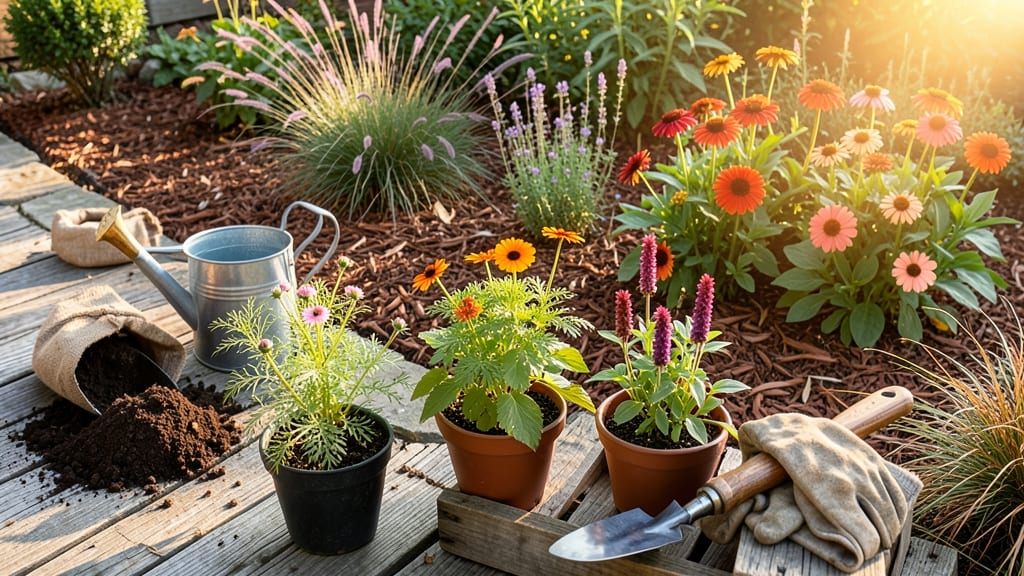
Planting your fall flowers 🌼 at the wrong time in Texas can mean the difference between a showstopping garden and a sad, frost-nipped disappointment. The key isn't just picking the right blooms—it's knowing exactly when to get them in the ground so they thrive before winter sets in.
Texas gardeners face a tricky balance: plant too early in North Texas, and a late frost could wipe out your hard work; wait too long in South Texas, and your flowers might fizzle before peak season.
The solution? A region-specific planting schedule that accounts for everything from USDA Zone 8a-10b to your local microclimate quirks.
In this guide, I’ll break down the perfect planting windows for your area—whether you’re in the Panhandle, Hill Country, or Gulf Coast—plus the best fall flowers that beat the heat and last until winter. No more guesswork, just vibrant blooms from August through December.
Ready to transform your yard into a fall color masterpiece? Let’s dive into the exact dates and tips you need to make it happen—without the frost-related heartbreak.
Texas fall planting deadlines by county: avoid frost and maximize blooms
Texas’ diverse climate means your fall planting window can vary by 100 days from Panhandle counties to South Texas. Miss the deadline, and frost will turn your mums and pansies into sad, wilted memories.
The key? Planting 6-8 weeks before your first frost date—but timing depends on whether you’re in North Texas (Zone 7b-8a), Central Texas (Zone 8a-9a), or South Texas (Zone 9a-10b).
For example, Dallas County gardeners must finish transplanting by early October, while Houston County can plant well into November. Even within regions, microclimates matter—elevated areas frost earlier than valleys.
Use the table below as your county-specific planting guide, then adjust for local frost history (check your local Texas A&M AgriLife Extension for precise dates).
Pro Tip: Start seeds 4-6 weeks before transplanting to give them a head start. For frost-sensitive varieties like cosmos or zinnias, opt for heat-tolerant cultivars (e.g., ‘Benary’s Giant’ zinnias) to push your planting window later.
| Region | USDA Zone | First Frost Date | Ideal Planting Window | Best Flowers to Plant |
|---|---|---|---|---|
| North Texas (Dallas, Fort Worth, Amarillo) | 7b–8a | Nov 15–Dec 1 | Aug 15–Oct 15 | Mums, Pansies, Sweet Alyssum, Snapdragons |
| Central Texas (Austin, San Antonio, Waco) | 8a–9a | Dec 1–Jan 15 | Sep 1–Nov 1 | Asters, Calendulas, Petunias, Marigolds |
| East Texas (Tyler, Beaumont, Lufkin) | 8a–8b | Nov 20–Dec 10 | Aug 20–Nov 1 | Pansies, Violas, Dusty Miller, Salvia |
| South Texas (Corpus Christi, Brownsville, McAllen) | 9a–10b | Dec 20–Jan 31 (rare) | Aug 1–Dec 15 | Zinnias, Cosmos, Portulaca, Lantana |
If you’re in a transition zone (e.g., College Station or San Marcos), err on the side of planting earlier. These areas can experience unpredictable frosts, and pansies or snapdragons need time to establish roots before cold snaps hit.
For a foolproof timeline, mark your calendar 6 weeks before your first frost—that’s your last call for transplanting.
Soil prep is just as critical as timing. Work in 2–3 inches of compost and a slow-release fertilizer (like 10-10-10) to give your fall flowers a nutrient boost. Mulch heavily (2–3 inches) with straw or shredded leaves to insulate roots and retain moisture—critical in Texas’ dry fall air.
This step alone can extend your blooms by 2–3 weeks before frost.
For container gardens, use heat-retentive pots (like fabric grow bags) and place them in protected microclimates, such as near south-facing walls. Containers warm up faster in the day and cool down quickly at night, so group plants together to create a shared insulation effect.
If a frost warning hits, cover containers with frost blankets or even old towels—this can save your pansies and sweet alyssum for another week of color.
Watch for false starts: A light frost in October (common in North Texas) won’t kill established mums or asters, but it’ll shock tender cosmos. Use a frost cloth for high-value plants, and avoid overhead watering before frost—wet foliage freezes faster.
Instead, water deeply the day before a predicted frost to help roots absorb moisture.
Don’t forget to deadhead spent blooms regularly. This trick tells your fall flowers to redirect energy into new growth instead of seed production. For pansies and violas, pinching back leggy stems encourages bushier, longer-lasting blooms.
With the right timing and care, your Texas fall garden can stay vibrant until Christmas—and sometimes beyond!
🌼
Best fall flowers for Texas gardens: fast-growing varieties that beat the heat
Texas’s fall heat and unpredictable frost dates make selecting the right flowers critical. The best fall-blooming varieties thrive in USDA zones 8a-10b while resisting late-season heat and early frosts.
My top picks balance heat tolerance, quick growth, and long bloom times—perfect for extending your garden’s color until winter. These varieties also handle Texas’s alkaline soil better than most, reducing your prep work.
Annuals like pansies and marigolds offer instant color but fade with frost, while perennials like black-eyed Susans return yearly with minimal effort. I prioritize drought-tolerant options that need less water once established—critical in North Texas’s dry falls.
For South Texas, where frosts are rare, I focus on heat-loving varieties that bloom until December.
Pros and Cons of Planting Fall Flowers in Texas
- 🌱 Early blooms: Plant in August-September for October-November color
- 🌡️ Heat resistance: Thrives in 85-95°F before cooling
- 💧 Low water needs: Drought-tolerant after establishment
- 🌿 Pest deterrent: Marigolds repel nematodes and aphids
- ❄️ Frost risk: North Texas may see first frost by November 15
- 🌱 Short season: Annuals die after first hard freeze
- 💰 Cost: Perennials have higher upfront costs
- ⏳ Slow start: Some perennials take 2-3 years to fully bloom
My top 3 fast-growing annuals for Texas falls are pansies, calendulas, and snapdragons. Pansies bloom in 3-4 weeks from seed and tolerate light frosts, while calendulas repel pests and thrive in poor soil.
Snapdragons add height and heat tolerance up to 90°F. For perennials, black-eyed Susans and Mexican sunflowers are my go-tos—they handle Texas heat and drought while attracting pollinators.
To extend blooms past frost, I deadhead regularly and use light mulch (like straw) to insulate roots. For North Texas, cover tender plants with frost cloth when temps drop below 32°F.
In South Texas, where frosts are rare, focus on heat-loving varieties like gazanias or portulacas, which bloom until December with minimal care.
For container gardens, choose compact varieties like dwarf marigolds or petunias. These thrive in 5-gallon pots with well-draining mix and get 6+ hours of sun.
Water containers daily in fall heat—they dry out faster than in-ground plants. Pro tip: Add time-release fertilizer at planting to fuel rapid growth without overfeeding.
My final recommendation: Start with 3-5 varieties to test your microclimate. In Dallas, plant pansies and mums by late August; in Houston, wait until September.
Monitor local frost alerts and adjust timing yearly. With the right heat-resistant picks, your Texas garden can stay bursting with color well into winter. 🌼