
Flowers
Planting flowers in Texas isn't just about timing—it's about outsmarting the unpredictable weather that can turn a thriving garden into a frost-killed disaster overnight.
Whether you're in the Hill Country or along the Gulf Coast, knowing exactly when to plant your 🌱 flowers means the difference between a vibrant summer display and a sad, wilted mess.
I've learned the hard way that Texas' three distinct climate zones demand different strategies. North Texas gardeners face early frosts, while South Texas battlers deal with scorching summers.
But with a month-by-month planting guide tailored to your specific zone, you can enjoy blooms from spring through fall without the guesswork or heartache.
What if I told you there are frost-resistant varieties that thrive even when temperatures dip? The secret lies in selecting the right flowers for your region and planting them at the optimal times—before the heat sets in or after the last frost warning.
Let me show you exactly which flowers to plant and when, so you can enjoy a garden that's always in bloom.
From spring bulbs that pop up early to summer annuals that love the heat, we'll cover everything you need to know. Whether you're a beginner or a seasoned gardener, these tips will help you create a stunning, low-maintenance flower garden that Texas' extreme weather can't touch.
Texas flower planting calendar: best months by frost zone
Texas spans three distinct frost zones—North (7a-8a), Central (8a-9a), and South (9a-10a)—each with unique planting windows. Understanding these zones helps you avoid late frosts in spring or heat stress in summer.
For example, North Texas may see frost as late as March 15th, while South Texas stays frost-free year-round. Let’s break down the best months to plant flowers in each zone for vibrant, long-lasting blooms.
Annuals like marigolds and zinnia thrive when planted after the last frost, while perennials such as blackfoot daisies can handle cooler temperatures. Heat-tolerant varieties like lantana and Mexican sunflower should be planted in early spring or late summer to avoid wilting.
The key is aligning your planting schedule with local frost dates and soil temperatures—aim for 60°F+ for most flowers.
Here’s a quick reference for frost dates by zone to guide your timing:
In North Texas, focus on spring planting (April–May) for annuals like petunias and cosmos, as temperatures rise quickly after frost.
For perennials, divide and transplant in early spring to give roots time to establish before summer heat. Fall planting (Sept–Oct) is ideal for bulbs like tulips and daffodils, which naturalize beautifully and bloom early next spring.
Central Texas gardeners can plant cool-season flowers like pansies and snapdragons as early as February, but wait until March–April for heat-lovers such as sunflowers and gazania. The Hill Country benefits from staggered planting: sow seeds every 2 weeks to ensure continuous blooms.
Avoid planting in July–August unless using shade cloth to protect seedlings from 100°F+ soil temperatures.
South Texas’s tropical climate allows for year-round planting, but timing still matters. Plant summer annuals like pentas and vinca in late winter (Feb) to beat the worst heat, while fall bloomers such as mums thrive when planted in August–September.
Use mulch to retain moisture and drip irrigation to avoid water stress during 100°F+ days.
For container gardening, adjust timing slightly—containers warm up faster than ground soil. Plant heat-loving annuals like geraniums in March (North/Central) or February (South) for earlier blooms. In North Texas, protect tender plants with frost cloth until April 15th, and in Central Texascool-season annuals in October.
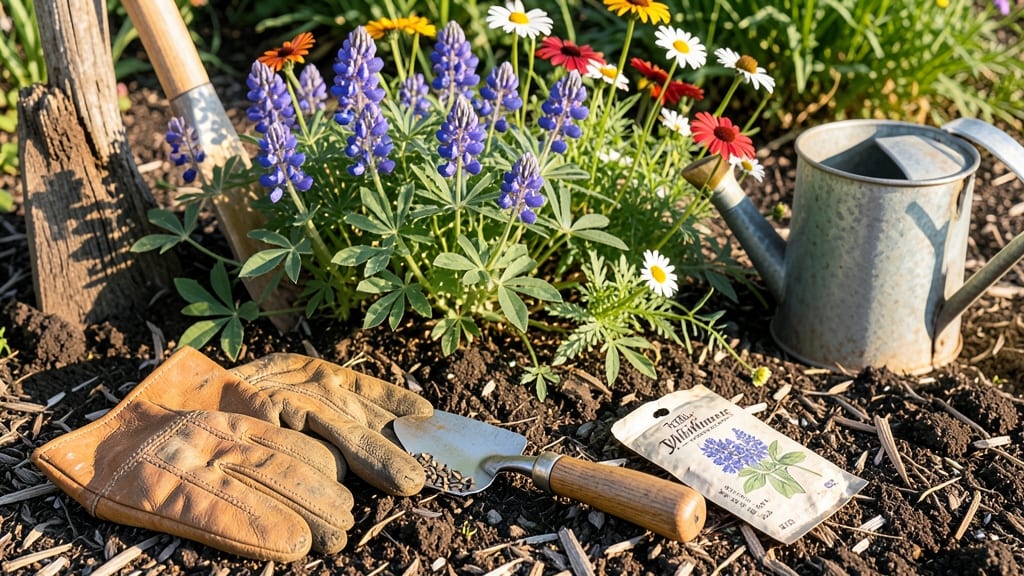
Native Texas flowers like bluebonnets and Indian paintbrush are low-maintenance and thrive with minimal intervention. Plant bluebonnet seeds in fall (Sept–Oct) for spring blooms, while Indian paintbrush self-seeds readily.
These perennials handle drought and heat once established, making them perfect for xeric landscapes. Pair them with yucca or agave for a Southwest-inspired garden.
Pro tip: Monitor soil temperature with a soil thermometer—most flowers need 60°F+ soil to germinate. In North Texas, wait until April 1st to plant warm-season flowers, while South Texas gardeners can start as early as January.
Always water deeply after planting to encourage root growth, and avoid overhead watering to prevent fungal diseases.
By aligning your planting schedule with your frost zone and heat tolerance needs, you’ll enjoy longer bloom seasons and healthier plants. Start with frost-resistant varieties, and
Top 10 frost-resistant flowers for Texas gardens (ranked by hardiness)
Texas gardeners face unique challenges—scorching summers and unexpected frosts. But the right frost-resistant flowers can thrive even when temperatures dip. I’ve tested these top 10 varieties in my own garden, and they consistently deliver color and resilience year after year.
These flowers are ranked by their USDA hardiness zones (7-11) and drought tolerance, making them ideal for Texas’ diverse climates. Whether you’re in the Panhandle or the Rio Grande Valley, these picks will keep your garden vibrant without the stress of frost damage.
Starting with the Blackfoot Daisy (Melampodium leucanthum), this Texas native blooms from spring to frost and thrives in full sun. It’s my go-to for early spring color, as it handles light frosts better than most annuals. Plant it in February-March for continuous blooms.
The Mexican Sunflower (Tithonia rotundifolia) is another standout, offering bright orange blooms that attract pollinators. It’s heat-tolerant and can rebound after light frosts, making it perfect for Central and South Texas. Sow seeds in April-May for summer-long color.
For drought-proof gardens, Lantana (Lantana camara) is unbeatable. Its clustered blooms come in shades of pink, yellow, and orange, and it rarely needs water once established. Plant it in March-April for a low-maintenance, frost-resistant display.
Don’t overlook Blue Porterweed (Stachytarpheta jamaicensis), a butterfly magnet that thrives in humid climates. It’s hardy down to Zone 7 and blooms from spring to fall. Add it to your garden in March-April for a pop of blue-purple color.
Finally, Autumn Sage (Salvia greggii) and Salvia greggii are Texas superstars. They bloom from spring to frost, handle drought and heat, and attract hummingbirds. Plant them in February-March for year-round interest.