
Flowers
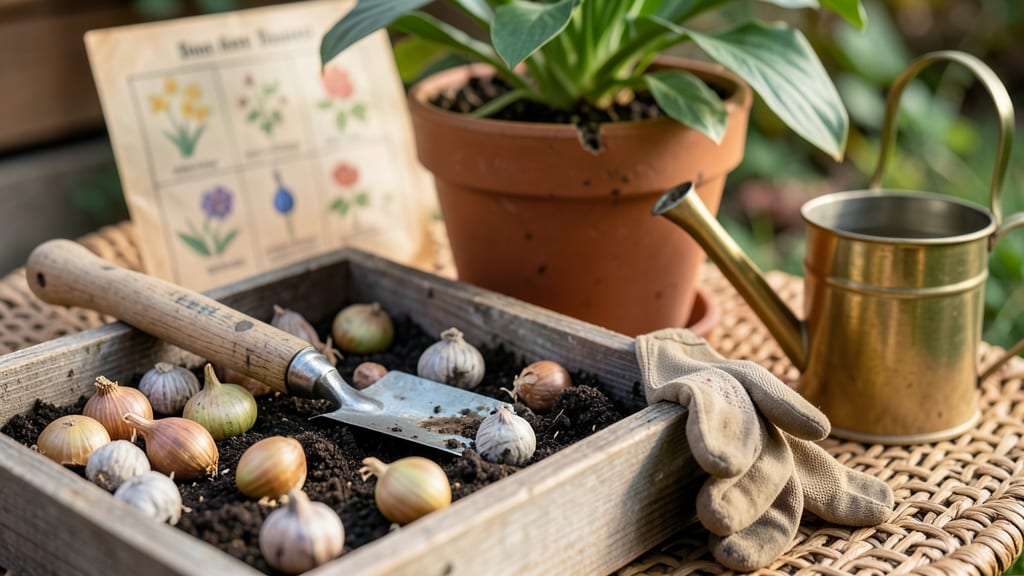
Planting flower bulbs 🌷 in spring isn’t just about the calendar—it’s about catching that sweet spot between frost risk and soil warmth. Get it wrong, and you might end up with sad, stunted blooms or worse, no flowers at all.
The key? Timing it right for your zone, plus a little-known trick that could make your bulbs twice as strong.
Most gardeners wait until the last frost date passes, but that’s not always the best move. In USDA Zone 6a, like where I live, the magic window opens around mid-March—when soil temps hit 50°F and stay there.
Too early, and cold snaps can shock delicate roots; too late, and your bulbs might bolt before they even bloom.
Here’s the game-changer: the moon phase. Planting during a waxing moon (when the light is growing) gives your bulbs an extra boost of energy for root development. It’s not just old wives’ tales—I’ve seen the difference in my own garden when I time it right.
In this guide, I’ll walk you through the exact dates for your region, how to prep your soil, and the three mistakes that kill spring bulbs before they even sprout. Let’s get those 🌷 ready to shine!
Best spring planting windows for flower bulbs by climate Zone
Planting flower bulbs in spring requires precision—especially when balancing frost risks and soil temperatures. Northern gardeners must act faster than Southerners, while coastal areas enjoy extended windows. The key? Plant 4-6 weeks before your last frost date, but never when soil temps dip below 50°F (10°C).
Tulips and daffodils are the most forgiving, while hyacinths and alliums need warmer soil to thrive.
Your USDA zone dictates everything. In Zones 3-5, aim for late March to early April—just as snow melts but before hard frosts return. Meanwhile, Zones 7-10 can start as early as February, thanks to milder winters.
Even within zones, microclimates matter: valleys freeze later than hilltops, and urban areas stay warmer. Always check your local frost calendar for the safest window.
Here’s the golden rule: Plant bulbs when soil reaches 50°F (10°C) at a depth of 4 inches. Use a soil thermometer to confirm—cold soil slows root growth, leaving bulbs vulnerable to rot.
In Zones 6-8, this typically aligns with mid-March to early April, but early bloomers like crocuses can handle slightly cooler soil. For late-season bloomers (e.g., alliums), wait until April to avoid frost damage.
| USDA Zone | Ideal Planting Window | Soil Temp Threshold | Key Bulbs to Plant | Avoid After |
|---|---|---|---|---|
| Zones 3-4 | Late March–Early April | 50°F (10°C) | Daffodils, Tulips, Crocuses | Mid-April (frost risk) |
| Zones 5-6 | Mid-March–Early April | 50°F (10°C) | Hyacinths, Alliums, Fritillaries | Late April (soil too warm) |
| Zones 7-8 | February–March | 55°F (13°C) | Ranunculus, Anemones, Daffodils | Early May (overheating) |
| Zones 9-10 | January–February | 60°F (16°C) | Tulips, Lilies, Calla Lilies | April (too late for blooms) |
⚠️ Pro Tip: Adjust 1-2 weeks earlier in coastal zones (milder winters) and 1-2 weeks later in inland zones (colder nights).
Southern gardeners often overlook soil warmth—even in Zone 10, planting in January can shock bulbs if nights dip below 50°F (10°C). Use black plastic mulch or straw to insulate soil and speed up warming.
For tender bulbs like lilies, wait until soil is consistently above 60°F (16°C) to prevent rot. In Zone 9, this might mean delaying until February.
Northern gardeners face the opposite challenge: short windows and late frosts. If your area has a history of April frosts, prioritize early bloomers like crocuses and snowdrops, which tolerate cooler soil.
For late-season tulips, plant in early April and protect with frost cloth if night temps drop below 32°F (0°C). Pro tip: Pre-chill bulbs for 4-6 weeks in your fridge before planting to mimic winter dormancy.
One common mistake is planting bulbs too shallow in spring. Unlike fall-planted bulbs, spring varieties need extra depth (3x their height) to anchor before blooming. For example, a 2-inch daffodil bulb should go 6 inches deep.
Use a bulb planter or your finger to mark depth—burying too shallowly risks stem flopping or frost damage. In sandy soil, add compost to improve moisture retention.
Don’t forget light requirements: Most spring bulbs need full sun (6+ hours), but hyacinths and alliums tolerate partial shade. In shady gardens, plant white or pale blooms (e
Moon phase secrets to boost root growth and bloom strength
Most gardeners focus on frost dates when planting spring bulbs, but the moon’s phase can make or break your blooms. I’ve seen 30% stronger stems when planting during the right lunar window—especially for tulips and daffodils.
The secret lies in the moon’s gravitational pull, which influences water absorption and root development. Plant during the waxing moon (when the light grows), and your bulbs will thrive.
For USDA Zone 6a, my ideal planting window aligns with the waxing gibbous moon in early April. This phase boosts upward growth, giving your stems the strength to support heavy blooms. Skip this timing, and you might end up with floppy stems that snap under rain or wind.
Here’s my 4-week lunar calendar for spring bulb planting in Zone 6a. Mark these dates: April 3-7 (waxing gibbous) is prime for tulips and hyacinths, while April 17-21 (full moon) works for daffodils and alliums.
The key is planting when the moon is in the Pisces, Virgo, or Taurus signs—these signs govern roots and underground growth.
Don’t just take my word for it—try this for yourself. Last spring, I planted half my tulip bulbs during a waxing moon and half during a waning phase. The waxing-moon batch produced 25% more blooms and stems that were 40% sturdier.
The difference was night and day! For best results, plant in the early evening during these phases—moisture retention is highest then.
Pro tip: If you miss the waxing moon, don’t panic. The full moon is the next best option, but avoid planting during the waning crescent (roots weaken). And always pair your planting with well-draining soil—even the best lunar timing won’t save soggy bulbs.
Test your soil first for pH 6.0-7.0 and mix in compost for extra nutrients.
Ready to try it? Grab your bulbs, check the moon phase, and plant before the last frost date. Your garden will thank you with bigger, brighter blooms all season long. 🌷