
Flowers
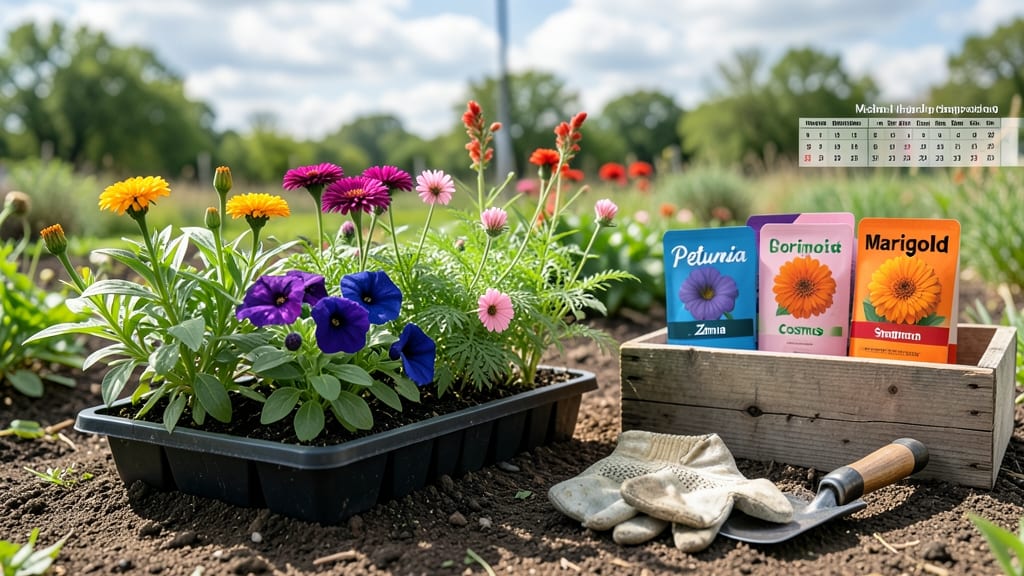
Planting flower seeds in Missouri at the wrong time can mean the difference between a vibrant garden bursting with 🌸 and a sad investment lost to frost.
The key isn't just guessing—it's knowing your county's last frost date and working with Missouri's 5b-6b climate zones to time your planting perfectly for zero frost damage.
Most gardeners in Missouri know the general rule: spring and fall are the prime windows for planting flower seeds, but without precise timing, you risk losing delicate seedlings to late frosts or overheating them too soon.
I'll show you exactly when to plant annuals like cosmos and snapdragons versus frost-tolerant perennials, so you can avoid the most common mistakes that derail even the best-laid plans.
What if you're in St. Louis versus rural areas near the Kansas border? The answer isn't one-size-fits-all—microclimates shift planting windows by weeks.
We'll break down the county-specific last frost dates and how to adjust your schedule for maximum bloom success, whether you're starting seeds indoors or sowing directly into the garden bed.
Ready to transform your Missouri garden from "maybe next year" to "already thriving"? Let's dive into the exact planting calendar, soil prep secrets, and post-planting care that will have your flowers blooming like clockwork—no frost-related surprises included.
Missouri’s last frost dates by region: when to plant flower seeds safely
Missouri’s frost dates vary dramatically across its regions, with northern counties like St. Louis and Kansas City experiencing later springs than southern areas near Columbia.
Understanding these patterns is critical—planting cosmos or marigolds too early in St. Louis (Zone 6a) risks frost damage, while waiting too long in Southeast Missouri (Zone 7a) means missing peak bloom times. I’ve compiled county-specific last frost data to help you time your plantings perfectly.
Urban areas like St. Louis often have 2-3 warmer days than rural zones due to the "urban heat island" effect, while mountainous regions like the Ozarks can see frost 1-2 weeks later than valleys. These microclimates shift planting windows by 10-14 days, so adjust your schedule accordingly.
Below, I’ve broken down the average last spring frost and first fall frost for Missouri’s key regions to help you plan.
Pro Tip: Always check the 10-day forecast before planting frost-sensitive flowers like petunias or begonias. Even if the average last frost has passed, a late cold snap can wipe out seedlings overnight. For extra safety, use row covers or start seeds indoors 4-6 weeks before your region’s last frost date.
Here’s a county-by-county breakdown of Missouri’s last frost dates, including urban vs. rural variations to help you plant with confidence:
| Region | Last Spring Frost (Avg.) | First Fall Frost (Avg.) | Urban vs. Rural Adjustment | Best Planting Window |
|---|---|---|---|---|
| St. Louis (6a) | April 15 | October 20 | Urban: 3-5 days earlier | April 20 - May 10 (spring), Aug 1 - Sept 15 (fall) |
| Kansas City (6a) | April 10 | October 25 | Rural: 3-5 days later | April 15 - May 5 (spring), Aug 10 - Sept 10 (fall) |
| Columbia (6b) | April 5 | October 30 | Urban: 2-4 days earlier | April 10 - May 1 (spring), Aug 15 - Sept 5 (fall) |
| Southeast MO (7a) | March 25 | November 5 | Rural: 1 week later | March 30 - April 15 (spring), Sept 1 - Oct 1 (fall) |
| Ozarks (5b-6a) | April 20 | October 10 | Mountainous: 1 week later | April 25 - May 15 (spring), Aug 1 - Sept 1 (fall) |
For frost-sensitive flowers like impatiens or geraniums, wait until 2 weeks after your region’s last frost date. These varieties can’t handle even light frost, so St. Louis gardeners should hold off until May 1, while Southeast Missouri can plant as early as April 15.
Conversely, cold-hardy annuals like cosmos and snapdragons can tolerate light frost, so you can plant them 1-2 weeks earlier than the average last frost date.
Fall planting follows the reverse logic. In St. Louis, aim to sow frost-tolerant flowers like pansies or calendula by August 15 to ensure they mature before the first frost on October 20.
In rural Ozarks, where frost hits earlier, start by August 1 to give seedlings enough time to establish roots. Always check soil temperatures—most flower seeds need 60°F+ soil to germinate successfully.
Microclimates play a huge role in Missouri’s
How to time flower seed planting for maximum blooms: indirect vs. direct sowing methods
Timing your flower seed planting in Missouri isn't just about the calendar—it's about matching your method to the plant's frost tolerance. Indirect sowing (starting seeds indoors) gives you a head start for frost-sensitive varieties like impatiens, while direct sowing works perfectly for cold-hardy cosmos and snapdragons that thrive in cooler soil.
The key is knowing when to begin each method based on your county's last frost date and the plant's maturity timeline.
For Missouri's 5b-6b zones, most gardeners start frost-sensitive seeds indoors 6-8 weeks before the average last frost date (typically mid-April). If you're in northern Missouri, that means starting seeds by early March, while southern counties can wait until late February.
Meanwhile, cold-hardy flowers like snapdragons and lupines can often be sown directly outdoors 2-4 weeks before your last frost date—sometimes as early as late March in warmer microclimates.
Here's the critical decision point: Indoor starts let you control the environment, but they require grow lights or a sunny windowsill. Direct sowing saves time and space, but it's riskier if a late frost hits.
I recommend starting with 50% of your seeds indoors and 50% outdoors for a staggered bloom time that extends your garden's beauty all season.
Indirect vs. Direct Sowing: Missouri Flower Seed Planting Guide
Indirect Sowing (Start Indoors)
- Pros: Controlled environment, earlier blooms, better for frost-sensitive plants
- Cons: Requires space/equipment, transplant shock risk
Direct Sowing (Outdoors)
- Pros: No transplant shock, saves time/space
- Cons: Risk of frost damage, slower growth
Missouri Planting Timeline
| Method | Start Time | Transplant Out | Bloom Time |
|---|---|---|---|
| Indoor | Feb-March | April-May | June-August |
| Direct | March-April | N/A | July-September |
If you're a late planner, don't panic! Missouri's fall planting window (August-September) works surprisingly well for cool-season flowers like pansies and snapdragons. These varieties thrive when sown directly outdoors in late summer, giving them time to establish roots before winter.
Just be sure to use row covers if early frosts threaten—this simple trick can extend your growing season by weeks.
For maximum success, always check the seed packet for days-to-maturity information. If a plant needs 60 days to bloom, you'll need to start it indoors 6-8 weeks before your last frost date. In Missouri, that typically means mid-February to early March for most annuals.
Pro tip: Mark your calendar with your county's last frost date (find it via the Missouri Climate Center) and work backward from there.
Remember, even the best-laid plans can go awry with Missouri's unpredictable weather. That's why I always keep a few extra seeds on hand—just in case.
With the right timing and a little flexibility, your flower garden can bloom like a Missouri prairie in full summer, no frost-related disappointments included. 🌼