
Plants
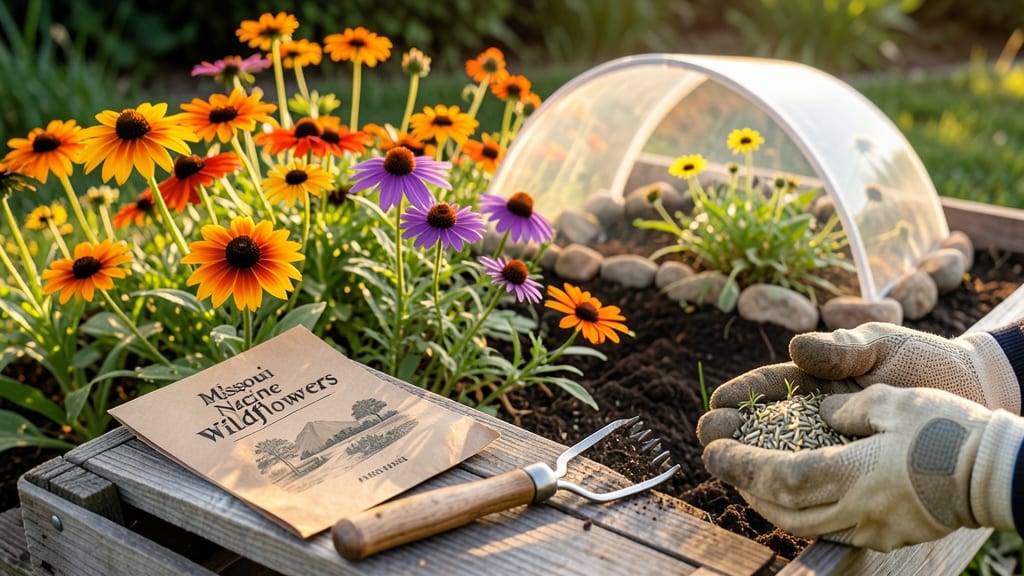
Planting wildflower seeds in Missouri at the wrong time can mean waiting months—or even years—for those vibrant blooms to appear. The secret to fast, reliable germination lies in understanding your region's unique climate patterns and frost dates.
Missouri's 5b-6b zones offer two prime windows for sowing: late summer to early fall (August-October) and early spring (March-April). But timing isn't just about the calendar—soil temperature and moisture levels play crucial roles too. Let me show you exactly when to plant for maximum success.
Whether you're restoring prairie land or simply adding color to your yard, native wildflowers thrive when planted at the right moment. We'll cover soil prep, regional variations, and species-specific tips to ensure your seeds take root and flourish.
By the end, you'll know precisely when to scatter those seeds for a garden that bursts with color from late spring through early fall. Let's get started!
Missouri wildflower planting timeline: spring vs fall for best results
Timing is everything when planting wildflower seeds in Missouri, where USDA Zones 5b-6b create distinct seasonal challenges. The last frost date (mid-April) and first frost date (mid-October) bookend your planting windows, but soil temperatures and regional microclimates demand precision.
Northern Missouri’s cooler climate differs from southern Missouri’s warmer zones, so understanding these differences ensures your wildflowers thrive.
Fall planting (late August through October) remains the gold standard for Missouri wildflowers, allowing seeds to establish roots before winter dormancy. This method reduces early spring competition and delivers more reliable germination than spring planting.
However, spring planting (March through April) works well for late-blooming varieties and areas with early snowmelt.
Soil temperature plays a critical role—most wildflower seeds germinate best when soil reaches 50-60°F. In Missouri, this typically occurs in early September for fall planting and mid-April for spring. Using a soil thermometer ensures you plant at the optimal moment, avoiding both premature germination and missed opportunities.
Missouri’s regional variations matter: Northern counties (like St. Joseph) often experience earlier frosts than southern areas (like Springfield). Adjust your timeline accordingly—northern gardeners should plant fall seeds by late September, while southern gardeners can extend until early November.
| Factor | Spring Planting (March-April) | Fall Planting (August-October) |
|---|---|---|
| Best For | Late-bloomers, warm-season species | Most native wildflowers, cooler-season species |
| Soil Temp Requirement | 50-60°F (mid-April) | 50-60°F (early Sept) |
| Germination Window | 4-6 weeks | 6-8 weeks before frost |
| Competition Risk | High (weeds, established plants) | Low (dormant season) |
| Watering Needs | Frequent (dry spring soil) | Moderate (fall rains help) |
| Regional Deadline | North: Early April | South: Late April | North: Late Sept | South: Early Nov |
| Bloom Timing | Summer-Fall | Spring-Summer |
For spring planting, aim to sow seeds 2-4 weeks before your last frost date. In Missouri, this typically means mid-to-late March in southern regions and early April in northern areas.
Prepare your soil by removing weeds and tilling lightly—wildflower seeds need good soil contact to germinate. A light raking creates the perfect texture for seed-to-soil connection.
Fall planting offers a longer window but requires attention to soil moisture. Plant seeds in late August or September when temperatures begin to drop. This timing allows seeds to germinate slowly over fall and winter, then burst into growth with spring warmth.
In southern Missouri, you can push planting until early November, but avoid sowing when frost is imminent.
Missouri’s humid summers can stress young seedlings, making fall planting the safer bet for most gardeners. However, if you choose spring planting, prioritize shade cloth for the first few weeks to protect tender sprouts from intense sun.
Mulching with straw helps retain moisture and regulates soil temperature, whether you plant in spring or fall.
Don’t overlook the importance of seed stratification for some Missouri native species. Many wildflowers, like prairie coneflower or black-eyed Susan, benefit from a cold period to break dormancy. If your seeds require stratification, plant them in fall—the natural winter chill does the work for you.
For spring planting, mimic this process by refrigerating seeds for 4-6 weeks before sowing.
Regardless of season, lightly cover seeds with soil (no more than 1/4 inch) and keep the area moist but not soggy. Wildflower seeds need sunlight to germinate, so avoid burying them too deeply. After planting, monitor your site daily—consistent moisture is critical during the first 2-4 weeks of growth.
Pro tip: Mark your planting dates on a garden calendar to track progress. Missouri’s unpredictable weather can shift timelines—knowing your local frost dates and soil conditions helps you adapt. With the right timing, your wildflower garden will reward you with vibrant blooms from spring through fall.
Top 5 Missouri-native wildflowers and their perfect planting months
Missouri’s native wildflowers bring unmatched beauty to gardens while supporting local ecosystems. To get the most vibrant blooms, timing your planting is everything. Each species thrives during specific windows when soil temperatures and moisture align perfectly.
Let’s explore the top 5 Missouri-native wildflowers and their ideal planting months for maximum success.
For Missouri gardeners, late summer to early fall (August-October) is often the best time to plant wildflower seeds. This gives them a head start on root development before winter dormancy.
However, some species prefer early spring planting (March-April) to bloom earlier in the season. Let’s dive into the specifics for each plant.
🌼 Styled-List: Missouri Native Wildflowers & Planting Guide
-
1. Black-Eyed Susan (Rudbeckia hirta)
📅 Best Months: March-April (spring) or August-September (fall)
🌱 Soil Prep: Loosen soil, add compost, full sun
🌿 Companions: Coneflower, Butterfly Weed -
2. Purple Coneflower (Echinacea purpurea)
📅 Best Months: April-May (spring) or September-October (fall)
🌱 Soil Prep: Well-draining soil, minimal fertilizer
🌿 Companions: Wild Bergamot, Blazing Star -
3. Wild Bergamot (Monarda fistulosa)
📅 Best Months: April-May (spring) or August-September (fall)
🌱 Soil Prep: Tolerates poor soil, full sun to part shade
🌿 Companions: Butterfly Milkweed, Goldenrod -
4. Butterfly Milkweed (Asclepias tuberosa)
📅 Best Months: April-May (spring) or September (fall)
🌱 Soil Prep: Sandy, well-draining soil, full sun
🌿 Companions: Coneflower, Black-Eyed Susan -
5. Blazing Star (Liatris spicata)
📅 Best Months: April-May (spring) or August-September (fall)
🌱 Soil Prep: Dry to medium soil, full sun
🌿 Companions: Wild Bergamot, Purple Coneflower
Each of these Missouri-native wildflowers offers unique benefits for pollinators while adding stunning color to your landscape. For example, Butterfly Milkweed is a must-have for monarch butterflies, while Wild Bergamot attracts hummingbirds with its fragrant blooms. Planting them together creates a thriving ecosystem right in your yard.
When preparing your soil, focus on removing weeds and loosening the top 2-3 inches of soil. These wildflowers thrive in well-draining conditions and don’t need rich soil to flourish.
After planting, keep the area lightly moist until germination occurs, which typically takes 10-30 days depending on the species and weather conditions.
For drought-tolerant options, prioritize Blazing Star and Butterfly Milkweed, which require minimal water once established. In contrast, Purple Coneflower and Black-Eyed Susan are more adaptable and can handle a wider range of soil conditions. Choose based on your microclimate and the specific needs of your garden.
By following these planting guidelines, you’ll create a low-maintenance wildflower garden that blooms beautifully from late spring through early fall. Happy planting! 🌻