
Flowers
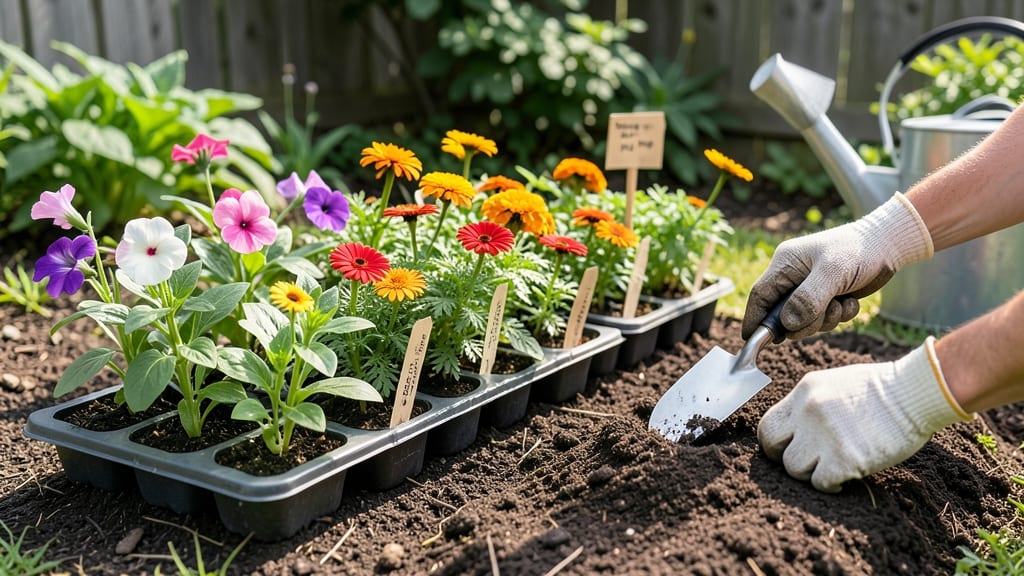
Planting flowers in Florida isn’t as simple as waiting for spring—your microclimate could mean the difference between a vibrant garden and a sad, wilted mess. Whether you're in steamy coastal Miami, the humid Panhandle, or the dry inland areas, timing matters more than you think.
Most gardeners assume March is the magic month, but frost dates in North Florida can delay planting until April, while South Florida’s heat might demand summer shade-loving blooms instead.
I’ll break down the exact windows for annuals, perennials, and even tropical varieties so you can avoid common pitfalls like bolting or poor root growth.
From impatiens that thrive in summer humidity to salvia that loves the Panhandle’s drier air, we’ll cover the best flowers for each zone—and when to avoid planting them. Plus, I’ll share pro tips for container gardening in urban areas where space (and microclimates) are limited.
Ready to transform your garden? Let’s dive into the Florida-specific schedule that’ll keep your flowers blooming year-round, no matter where you live in the Sunshine State.
Florida flower planting calendar by microclimate zone (coastal vs inland vs Panhandle)
Florida’s three distinct microclimates—coastal humidity, inland heat, and Panhandle dryness—create wildly different planting windows for flowers. A tropical hibiscus thrives in Miami’s coastal zone but wilts in inland Orlando’s summer heat, while coreopsis flourishes in the Panhandle’s drier soil.
Understanding these zones ensures your flowers establish strong roots and bloom without bolting or fading in extreme conditions.
Coastal areas (like Miami-Dade and Tampa) enjoy warmer winters and higher humidity, allowing year-round planting for heat-loving annuals. Inland zones (such as Lakeland and Gainesville) face hotter summers and occasional light frosts, requiring adjusted timing for frost-sensitive perennials.
Meanwhile, the Panhandle’s (e.g., Pensacola) drier climate demands drought-tolerant varieties and precise watering schedules.
Below is your zone-specific planting calendar, including monthly windows for annuals, perennials, and bulbs, plus heat-tolerant alternatives to avoid common mistakes like poor root establishment or sunburned foliage.
Use this guide to align your planting with Florida’s unique seasonal cues, such as rainy season onset or cooler ocean breezes.
⚠️ CRITICAL NOTE: Frost dates vary wildly—coastal areas rarely see frost, while the Panhandle can drop below 32°F in winter. Always check your local USDA zone (typically 8b–11 in Florida) for fine-tuning.
| Zone | Plant Type | Best Planting Months | Avoid Planting | Key Varieties | Notes | ||||||||||||||||||||
|---|---|---|---|---|---|---|---|---|---|---|---|---|---|---|---|---|---|---|---|---|---|---|---|---|---|
| Coastal (e.g., Miami, Tampa) | Annuals | Aug–Sept, Feb–March | May–July (extreme heat) | Impatiens, Vinca, Lantana | Humidity-loving; mulch heavily | ||||||||||||||||||||
| Coastal | Perennials | Sept–Oct, Feb | None (frost-free) | Plumbago, Firebush, Mandevilla | Drought-tolerant once established | ||||||||||||||||||||
| Inland (e.g., Orlando, Gainesville) | Annuals | Sept–Oct, March–April | June–Aug (bolt risk) | Zinnias, Marigolds, Petunias | Use shade cloth in summer | ||||||||||||||||||||
| Inland | Perennials | Oct–Nov, Feb–March | Dec–Jan (light frost) | Salvia, Coreopsis, Black-Eyed Susan | Mulch for winter protection | ||||||||||||||||||||
Best flowers to plant in each Florida season (and when to avoid them)Florida’s three distinct seasons—warm winters, scorching summers, and unpredictable transitions—demand a strategic approach to flower planting. Unlike northern climates, we don’t have a true "spring" or "fall" as we know them. Instead, your garden thrives on seasonal bloomers that align with humidity, heat, and rainfall patterns. For example, impatiens and begonias love summer’s moisture, while pansies and snapdragons shine in cooler winter months. The key is understanding which flowers thrive in Florida’s heat and which ones struggle in humidity. Desert marigolds, for instance, may wilt in South Florida’s coastal zones, while salvia and coreopsis handle the Panhandle’s dry spells with ease. Below, I’ve mapped out the best flowers for each season, including their ideal planting windows and regions where they’ll fail without intervention.
For summer planting, focus on shade-tolerant varieties like impatiens and coleus, which thrive in Florida’s oppressive heat when given afternoon shade. These flowers avoid bolting and continue blooming even when temperatures hit 95°F. I’ve found that mulching with pine straw helps retain moisture, reducing the need for daily watering—a game-changer in July and August. Winter is your chance to plant cool-season annuals like pansies and snapdragons, but timing is critical. In North Florida, wait until November 1st to avoid frost damage, while South Florida gardeners can plant as early as October 15th. These flowers love the cooler temps and will bloom until February, adding vibrant color to your garden when many other plants are dormant. One common mistake I see is planting desert marigolds in humid zones—they’ll melt into a puddle within weeks. Instead, opt for African marigolds, which handle Florida’s moisture better. Similarly, geraniums struggle in summer heat unless given dappled shade or container growing conditions. Always check the USDA Hardiness Zone and local microclimate before committing to a plant. Pro tip: Use seasonal succession planting to keep your garden blooming year-round. For example, plant spring petunias in February, then replace them with summer impatiens in June, and finally fall mums in August. This strategy ensures continuous color and minimizes gaps in your garden’s performance. |