
Flowers
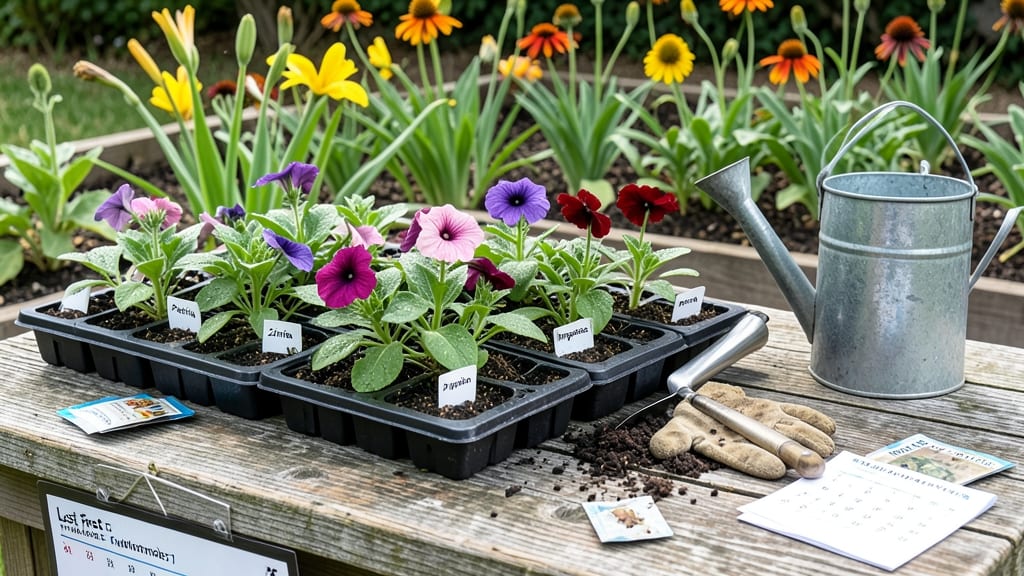
Timing your flower planting in Georgia can mean the difference between a showstopping garden and a sad, frost-nipped disappointment. With USDA Zones 7b-8b bringing unpredictable frost dates—ranging from mid-March to late November—knowing the right window for planting your 🌸 is everything.
Whether you're dreaming of vibrant spring azaleas or heat-loving summer petunias, getting the timing right ensures your flowers thrive. I’ll break down the exact months to plant annuals, perennials, and bulbs, so you can avoid the common mistakes that leave gardeners scrambling. Let’s make sure your garden blooms on schedule.
From late winter’s first frost dates to summer’s scorching heat, Georgia’s climate demands precision. You’ll learn how to adjust for microclimates—whether you’re in the Piedmont’s rolling hills or Atlanta’s urban heat islands—and which flowers handle Georgia’s humidity best. No more guessing games, just a foolproof plan.
Ready to transform your garden into a year-round paradise? I’ll show you the step-by-step schedule, including soil prep tips and the best varieties for each season. Let’s get those flowers in the ground at the perfect time—so you can enjoy them from spring through fall.
Georgia flower planting calendar by frost dates and flower type
Georgia’s unpredictable frost dates—ranging from February 15 to March 15 for the last frost and November 1 to December 15 for the first—make timing critical for successful flower planting.
Whether you’re growing heat-loving annuals or cold-hardy perennials, aligning your schedule with these dates ensures vibrant blooms all season long. I’ll walk you through the exact months to plant each type, so you can avoid frost damage or missed bloom windows.
In USDA Zones 7b-8a, your garden’s microclimate—whether it’s a coastal plain, Piedmont, or mountain region—can shift frost dates by weeks. For example, Atlanta’s urban heat island may delay frost, while higher elevations in the north might experience earlier freezes.
Adjust your planting schedule accordingly, and always monitor local forecasts for the most accurate timing.
Below is your month-by-month planting guide, broken down by flower type. I’ve included cold-hardy varieties for early planting and heat-tolerant picks for late-season success. Use this as your roadmap to a garden bursting with color from spring through fall.
| Month | Flower Type | Best Varieties | Planting Notes |
|---|---|---|---|
| February | Cold-Hardy Bulbs | Daffodils, Tulips, Hyacinths | Plant 6-8 weeks before last frost for spring blooms. |
| March | Perennials & Early Annuals | Pansies, Violas, Snapdragons | Start seeds indoors or plant after last frost risk. |
| April | Heat-Tolerant Annuals | Marigolds, Zinnias, Petunias | Plant after soil warms to 60°F+ for best growth. |
| May | Late Summer Bloomers | Cosmos, Sunflowers, Black-Eyed Susans | Direct-sow seeds after Memorial Day for summer color. |
| August | Fall Annuals | Asters, Chrysanthemums, Pansies | Plant 6-8 weeks before first frost for fall blooms. |
| September | Bulbs for Spring | Crocuses, Daffodils, Alliums | Plant before ground freezes for early spring blooms. |
For spring bloomers, focus on planting perennials like peonies and irises in early spring (March) once the soil is workable. These hardy plants thrive when given time to establish roots before summer’s heat arrives.
In contrast, heat-sensitive annuals like impatiens should wait until after April 15, when nighttime temperatures consistently stay above 55°F.
If you’re in a cooler microclimate, like the North Georgia mountains, delay planting until mid-April to avoid frost damage. Meanwhile, urban Atlanta gardens can often plant earlier due to the city’s heat retention. Always check the UGA Extension’s frost date maps for your specific area to fine-tune your schedule.
Don’t forget about fall planting! Many cool-season annuals, such as pansies and sweet alyssum, can be sown in late August to early September for stunning fall color. These varieties handle Georgia’s mild winters well and often rebloom in spring.
For bulbs like tulips and daffodils, aim to plant them by mid-October to ensure they establish roots before the ground freezes.
Pro tip: Use mulch after planting to protect roots from temperature swings. A 2-3 inch layer of organic mulch also helps retain moisture, which is critical during Georgia’s hot, dry summers. This simple step can mean the difference between wilted petals and a thriving garden.
For container gardens, adjust your timeline slightly. Potted flowers warm up faster and may need to be planted 1-2 weeks later than in-ground plants. Monitor soil temperature with a soil thermometer—most flowers prefer soil temps above 55°F to germinate properly.
How to adjust planting times for Georgia’s microclimates and soil conditions
Georgia’s microclimates can make your neighbor’s frost date seem like a different season entirely. A garden in Atlanta’s urban heat island might stay frost-free weeks longer than a rural yard in North Georgia’s mountains.
These differences mean your planting schedule needs customization—even within the same county. I’ll show you how to fine-tune your timing based on elevation, urban heat, and soil drainage to give your flowers the best start.
Start by checking your local frost dates, which can vary by 10–14 days between lowland areas and higher elevations. For example, Blue Ridge Mountains (Zone 7b) often see frost until early November, while Savannah’s Coastal Plain (Zone 8a) may stay frost-free until December.
Use the UGA Extension’s frost maps to pinpoint your exact zone, then adjust your planting window accordingly.
Urban gardens in Atlanta or Macon experience the urban heat island effect, where pavement and buildings trap heat, delaying frost and extending the growing season. If you’re in a city, you can safely plant heat-loving annuals like zinnias or marigolds 2–3 weeks later than rural gardeners.
Conversely, mountain gardens in Dahlonega or Helen need earlier planting to avoid late spring frosts.
⚠️ WARNING: Soil drainage is the silent killer of Georgia gardens. Heavy clay soils in the Piedmont region can trap water, suffocating roots and delaying blooms.
Before planting, test your soil’s drainage by digging a 12-inch hole and filling it with water—if it drains in less than 6 hours, you’re good.
If it pools, amend with compost or sand to improve aeration. Container gardens in urban areas also need well-draining mixes to prevent root rot, especially in plastic pots that retain moisture.
For container gardening in Atlanta’s urban zones, choose fast-draining potting mixes and elevate containers to improve airflow. Petunias and geraniums thrive in containers but need daily watering during summer heat.
In rural North Georgia, where soils are often sandy and well-draining, mulch heavily to retain moisture for perennials like black-eyed Susans or daylilies.
Elevation plays a huge role in microclimate adjustments. Every 1,000 feet gain in altitude drops temperatures by about 3.5°F, which can delay planting by 1–2 weeks.
If you’re gardening above 2,000 feet in the Appalachian foothills, plant cool-season crops like pansies in early March, while lowland gardeners can wait until mid-April. Use row covers for added protection if early frosts are common in your area.
Fine-tune your schedule by observing your garden’s microclimate cues. Notice where frost lingers longest (usually low-lying areas) and where heat builds up (like south-facing walls). Plant frost-sensitive annuals like impatiens in these warmer spots to extend their bloom time.
With these adjustments, you’ll maximize your garden’s potential and enjoy longer, more vibrant blooms all season long.