
Flowers
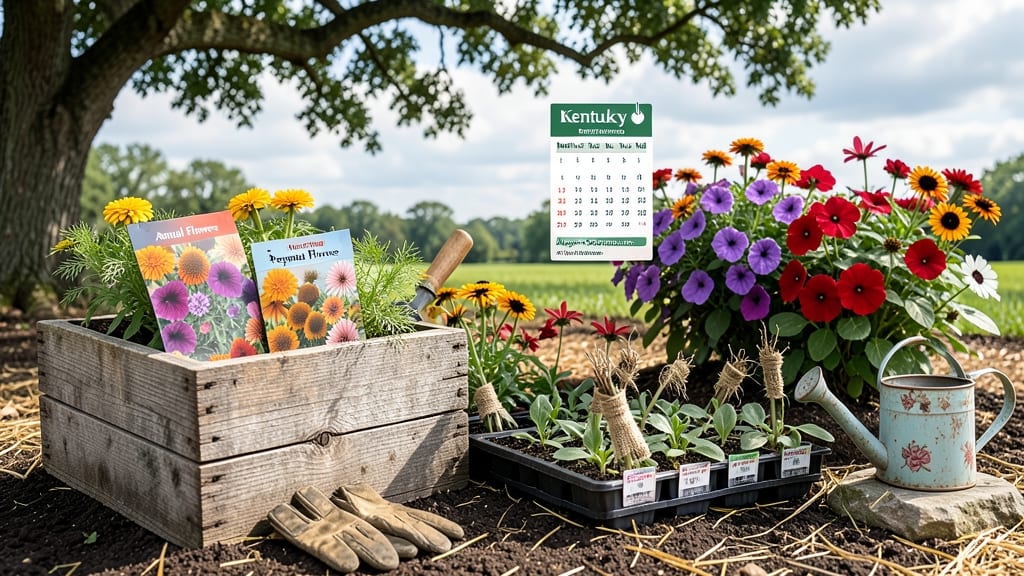
Planting flowers in Kentucky at the wrong time can mean the difference between a show-stopping garden and a sad, frost-nipped disappointment. The USDA Zone 6a-7a climate gives you two prime windows—spring and fall—but timing is everything to avoid those late freezes that sneak in around April 15.
I’ve watched too many gardeners rush to plant annuals like petunias before the last frost, only to have their vibrant blooms turn to mush overnight.
The key isn’t just knowing when to plant—it’s understanding how your local microclimate (like those sheltered spots near your house) can push your growing season by 1-2 weeks.
In this guide, I’ll break down the exact frost-date cheat sheet for Kentucky, so you can plant cool-season flowers like pansies in early spring and warm-season beauties like zinnias after Memorial Day—without guessing. Plus, I’ll share my top tricks for extending your blooms well into fall.
Whether you’re a first-time gardener or a seasoned pro, these insights will help you turn your Kentucky garden into a year-round 🌸 paradise—no more wasted seeds or heartbreak. Let’s get those flowers in the ground at the perfect moment!
Kentucky frost dates by flower type: annual vs perennial planting timeline
Kentucky’s USDA Zones 5b and 6a create a unique gardening challenge—late spring frosts can linger until mid-April, while fall frosts often arrive by mid-October. Understanding these frost windows is key to planting annuals and perennials at the right time.
Cool-season annuals like pansies thrive when planted 4-6 weeks before last frost, while warm-season favorites such as marigolds need to wait until after May 15.
Perennials, however, follow a different rhythm. Hardy varieties like coneflowers and black-eyed Susans can be planted in early spring or fall, giving them time to establish roots before winter.
The trick is balancing root establishment with frost sensitivity—especially for tender perennials like canna lilies, which need to be planted after Memorial Day.
Here’s your Kentucky frost-date cheat sheet, broken down by flower type and planting timeline to ensure your garden blooms on schedule.
| Flower Type | Planting Window | Frost Considerations | Notes for Kentucky |
|---|---|---|---|
| Cool-Season Annuals (Pansies, Snapdragons, Lettuce) | 4-6 weeks before last frost (Feb 20 - Mar 15) | Tolerate light frosts; plant early for spring blooms | Use frost cloth for extra protection in late March |
| Warm-Season Annuals (Marigolds, Zinnias, Petunias) | After last frost (May 15 - June 1) | Frost kills tender foliage; wait until soil warms | Start indoors in March for earlier transplants |
| Hardy Perennials (Coneflowers, Black-Eyed Susans, Daylilies) | Early spring (Mar 1 - Apr 15) or fall (Sep 15 - Oct 15) | Establish roots before winter; survive light frosts | Fall planting gives roots time to harden before cold |
| Tender Perennials (Canna Lilies, Dahlia, Gladiolus) | After Memorial Day (May 25 - June 10) | Frost-sensitive; plant only after warm soil | Dig up and store tubers before first frost |
| Bulbs (Tulips, Daffodils, Hyacinths) | Fall (Oct 1 - Nov 15) for spring blooms | Need cold period to bloom; plant before ground freezes | Mulch heavily after planting to protect from early frosts |
For cool-season annuals, think of Kentucky’s February and early March as your prime planting window. These flowers—like pansies and snapdragons—can handle light frosts and even 28°F temperatures.
Plant them 4-6 weeks before your average last frost date (typically April 15 in most of Kentucky) to ensure they bloom early. Pro tip: Use frost cloth if late-season frosts threaten, especially in Zone 5b areas like northern Kentucky.
Warm-season annuals, however, demand patience. Flowers like marigolds, zinnias, and petunias won’t tolerate frost—they need consistent warmth to thrive. Hold off until after May 15, when the risk of frost has passed.
If you’re eager for color, start these seeds indoors in March and transplant them outdoors once the soil reaches 60°F. This gives them a head start and extends your blooming season.
Perennials offer flexibility but require strategy. Hardy perennials like coneflowers and black-eyed Susans can be planted in early spring or fall. Fall planting is ideal because it allows roots to establish before winter, giving these plants a stronger start in spring.
For tender perennials such as canna lilies, wait until after Memorial Day—these beauties need soil temperatures above 60°F to avoid stunted growth or death.
Don’t overlook bulbs like tulips and daffodils—they’re a Kentucky gardener’s secret weapon for early spring color. Plant them in fall (October-November) so they experience the cold period needed to bloom.
Mulch heavily after planting to insulate them from early winter temperature swings, which can be harsh in Zone 5b. This one-time effort ensures vibrant blooms by April, long before annuals even think about sprouting.
Microclimates matter in Kentucky! If you live in a warmer microclimate (like near the Ohio River), you might push planting dates 1-2 weeks earlier. Conversely, higher elevations in eastern Kentucky could delay planting by a week or two.
Always check your local frost-free date and adjust accordingly—your garden’s success depends on it.
Finally, keep a planting journal to track what works in your specific
5 Critical mistakes Kentucky gardeners make with flower planting times
Even experienced Kentucky gardeners sometimes fall into common planting traps that leave their gardens looking sparse or struggling. One of the biggest mistakes is planting tender annuals like marigolds or petunias before the last frost date—around April 15 in most of the state.
These heat-loving flowers can’t survive even a light freeze, and I’ve seen too many beautiful plants turn to mush overnight.
Another frequent error is ignoring microclimates in your yard. That sunny spot near your brick wall might be 5-10°F warmer than your open garden bed, allowing you to plant 2 weeks earlier in sheltered areas. Many gardeners miss this opportunity to extend their growing season.
Kentucky’s last frost can vary by 1-2 weeks from year to year. Instead of relying on April 15 as a hard rule, use the 10-year average from your local Cooperative Extension Service (e.g., UK Extension for Lexington or KY State for statewide data).
For extra safety, wait until 2 weeks after the average last frost before planting warm-season flowers.
Pro Tip: Sign up for free frost alerts from services like Old Farmer’s Almanac or use a frost-sensitive plant (like basil) as a natural indicator.
Many gardeners also misread seed packet instructions by assuming they’re tailored to Kentucky’s climate. Those packets often list days to germination or planting windows based on California or Florida conditions, not our USDA Zone 6a/7a reality.
Always adjust for your local last frost date—even if the packet says "plant in spring."
Overlooking perennial establishment time is another mistake. While annuals give you quick color, perennials like coneflowers or black-eyed Susans need 6-8 weeks of warm soil before they’ll thrive. Planting them too early means they’ll struggle to root before summer heat arrives, leading to stunted growth.
Finally, some gardeners forget that fall planting is just as critical as spring. Cool-season flowers like pansies and snapdragons can be planted as early as September for stunning fall color. Waiting until October risks them bolting (flowering too early) before the first frost hits around October 15.
To avoid these mistakes, always check your local frost dates, observe your yard’s microclimates, and adjust planting times based on flower hardiness. With these tweaks, your Kentucky garden will bloom earlier, longer, and more reliably—no more wasted seeds or frost-kissed disappointments! 🌷