
Flowers
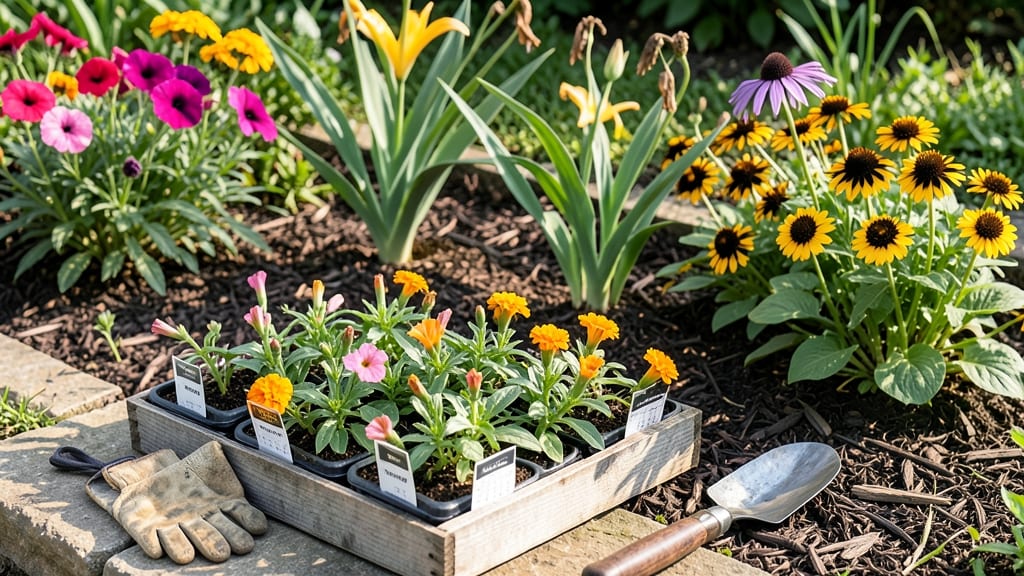
Planting flowers in Massachusetts isn’t just about grabbing seeds and sticking them in the dirt—it’s a timing game where one wrong move can mean frost-nibbled petals or missed summer blooms.
With USDA Zones 5B and 6A throwing unpredictable frost dates your way, knowing when to plant 🌸 can mean the difference between a garden that dazzles and one that fizzles.
I’ve spent years watching my own flower beds in the Bay State, and the biggest lesson? Your neighbor’s coastal Boston garden might thrive with early March plantings, while inland Worcester still faces frost in May. That’s why I’m breaking down the exact windows—spring and fall—for annuals, perennials, and bulbs, so you can plant with confidence and skip the guesswork.
Whether you’re dreaming of vibrant summer petunias or hardy fall mums, this guide will show you how to align your planting with Massachusetts’ 150-180 frost-free days.
No more waiting until it’s too late or rushing seeds into cold soil. Let’s get those blooms in the ground at the perfect moment.
Ready to transform your garden into a year-round showstopper? Here’s your roadmap to planting flowers in Massachusetts—no frost casualties allowed.
Massachusetts flower planting calendar: exact dates by flower type for zones 5B & 6A
Massachusetts’ USDA Zones 5B and 6A bring unpredictable frost patterns, making precise planting dates critical.
According to NOAA frost-free probability data, coastal areas like Boston (Zone 6A) typically see their last frost around April 15, while inland regions like Worcester (Zone 5B) can experience frost as late as May 10.
To maximize blooms, align your planting with these regional averages—plus a 10-day buffer for safety.
Spring is the prime time for most annuals and perennials, but fall planting (August–September) works for cold-hardy varieties like pansies and kale. Below, I’ve broken down exact dates for your top Massachusetts flowers, including bulbs, perennials, and heat-loving annuals, so you can plan with confidence.
Pro tip: Use soil thermometers (50°F minimum for most seeds) to confirm readiness.
| Flower Type | Spring Planting Window (Zone 5B/6A) | Fall Planting Window (Zone 5B/6A) | Notes |
|---|---|---|---|
| Tulip Bulbs | Late September–October (fall) or March (spring) | N/A | Plant bulbs 6 weeks before ground freezes; Zone 5B needs deeper planting. |
| Pansies & Violas | Early April–May (after last frost) | August–September (4–6 weeks before first frost) | Cold-hardy annuals; thrive in partial shade. |
| Cosmos | Late May–June (after soil warms to 60°F) | N/A (heat-loving) | Drought-tolerant; self-seeds easily—great for pollinators. |
| Coneflowers (Echinacea) | Early April–May (or fall for Zone 6A) | September (Zone 5B only) | Perennial; deadhead for prolonged blooms. |
| Petunias | Late May–June (after frost risk) | N/A (tender annual) | Pinch back early for bushier growth; mulch to retain moisture. |
| Daffodils (Narcissus) | Fall only (October–November) | N/A | Deer-resistant; plant bulbs 6" deep. |
| Black-Eyed Susans | Early April–May (or fall for Zone 6A) | September (Zone 5B) | Drought-resistant perennial; blooms July–September. |
For Zone 5B gardeners, prioritize late-May plantings for heat-loving annuals like zinnias and marigolds, as earlier dates risk frost damage. In Zone 6A, you can push the envelope slightly—plant cosmos and sunflowers as early as late April if your soil is workable.
Always check Massachusetts Extension Service updates for real-time frost advisories, especially in microclimates like the Berkshires or Cape Cod.
Protect tender seedlings with row covers or cloche tunnels if nighttime temps dip below 40°F. I’ve learned the hard way that cosmos and zinnias planted too early in Zone 5B often bolt or rot—wait until the soil reaches 60°F for best results.
For perennials like hostas and peonies, divide and transplant in early spring (April) or fall (September) for optimal root establishment.
Don’t overlook fall planting for bulbs and hardy annuals. Pansies and snapdragons planted in late August will reward you with early spring color, while
How to adjust planting dates for Massachusetts’ microclimates (coastal vs. inland)
If you’ve ever watched your coastal neighbor in Boston plant pansies in March while your Worcester garden still sports a dusting of snow, you’re not imagining things—Massachusetts’ microclimates are real, and they dictate your planting success.
Coastal areas like Cape Cod and Provincetown often see earlier last frost dates (as early as March 20) compared to inland spots like Springfield or Amherst, where frost can linger until May 1.
This 3-week difference can mean the difference between a thriving garden and a sad, frost-bitten disappointment.
I learned this the hard way when my cosmos seeds sprouted too early in my Northampton garden—only to be nipped by a late-April frost. Since then, I’ve mastered using USDA hardiness maps, soil thermometers, and the 10-day frost-free rule to fine-tune my schedule.
Here’s how you can do the same, plus the 3 warning signs you’re planting too soon.
⚠️ Planting Too Soon? Watch for These 3 Red Flags
- 🌱 Wilting leaves even after watering—your plants are struggling to absorb nutrients in cold soil.
- 🌡️ Soil temp below 50°F (use a soil thermometer—most seeds need 60°F+ to germinate).
- 🌬️ Frost warnings in your local 10-day forecast—even if your neighbor’s garden is frost-free.
Pro tip: Coastal areas can plant 2-3 weeks earlier than inland zones. Check PlantMaps for your exact zone.
Start by checking your local frost dates.
The Massachusetts Horticultural Society provides updated frost-free probability maps, but here’s a quick guide: Coastal Zone 6A areas (like Boston or Provincetown) typically have a last frost by April 15, while inland Zone 5B (like Worcester or Springfield) often waits until May 1.
For annual flowers, wait until 2 weeks after your average last frost date—this gives young plants time to establish roots before summer heat hits.
A soil thermometer is your best friend for spring planting. Most flower seeds need soil temps of 60-70°F to germinate, while cool-season crops like pansies or calendulas can handle 45-55°F. I test my soil in the morning sun—if it’s below 50°F, wait a week or two.
For fall planting, use the 10-day frost-free rule: Plant hardy annuals (like cosmos or zinnias) 10 days before your first frost date to ensure they bloom before winter sets in.
Don’t forget about microclimates within your own yard. A south-facing slope warms up 2-3 weeks earlier than a north-facing shady spot. I’ve seen marigolds bloom in June on my sunny patio while the same variety in my shady border struggled until July.
Group heat-loving flowers (like lantana or salvia) in sunny spots and cool-season bloomers (like snapdragons) in partial shade.
For perennials, timing matters too. Plant bare-root perennials (like daylilies or coneflowers) in early spring (March-April) or early fall (September) to give roots time to establish before extreme temps.
I’ve had peony plants thrive when planted in October—the cool soil helps prevent root rot—but avoid planting in summer heat, which stresses roots.
When in doubt, start seeds indoors 6-8 weeks before your last frost date. I use grow lights to give petunias and geraniums a head start, then transplant them after May 15 (a safe bet for most of Massachusetts).
For bulbs, plant tulips and daffodils in fall (October-November)—they’ll naturalize and return year after year. Just remember: Coastal gardeners can push bulbs into the ground by mid-October, while inland gardeners should wait until November.