
Flowers
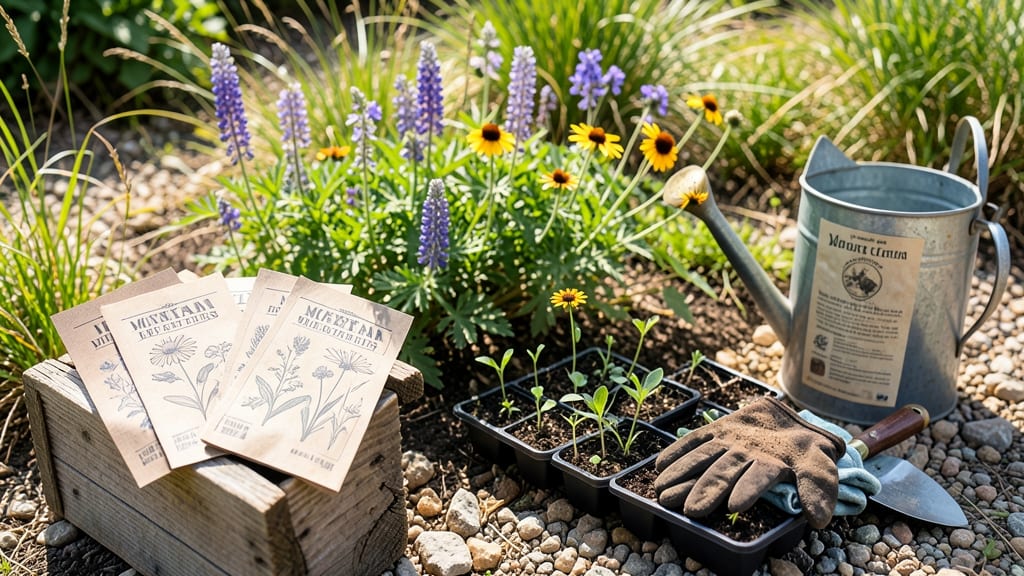
Planting flowers in Montana isn’t just about timing—it’s about survival in a climate where frost can strike anytime. With USDA Zones 4-6 and unpredictable frost dates, knowing when to plant your 🌸 can mean the difference between a thriving garden and wasted effort.
Most gardeners in Montana wait until late April to early June after the last frost, but fall planting in August-September works too. The key is understanding your microclimate—whether you’re in Missoula’s Zone 7 or Glacier National Park’s Zone 3—because even a few miles can change everything.
I’ve learned that hardy perennials like coneflowers and delphiniums can handle Montana’s chill, while tender annuals need extra protection. Let me show you exactly when to plant each type, how to extend your growing season, and which flowers will reward you with bold blooms year after year.
Ready to transform your garden? We’ll cover frost dates, soil prep, and even container gardening tricks so you can enjoy flowers from spring to fall—no matter where you are in the state.
Montana frost dates and best planting months by flower type
Montana’s USDA Zones 4-6 create a unique challenge for gardeners—last frost dates can vary by two weeks or more between Western and Eastern regions.
In Zone 4 (eastern Montana), expect your last spring frost around May 15-20, while Zone 6 areas (like Missoula) typically see frost-free conditions by May 1-10. This variation means timing is everything for annuals, perennials, and bulbs.
For cold-hardy flowers like tulips or daffodils, you can plant bulbs as early as September—they’ll establish roots before winter. But tender annuals like marigolds or petunias need to wait until after the last frost, often late May or early June.
Understanding these regional differences is key to avoiding frost damage and maximizing blooms.
Western Montana (e.g., Kalispell, Whitefish) tends to have earlier last frosts (around May 10-15) due to lower elevations, while Eastern Montana (e.g., Billings, Great Falls) can linger into late May. Microclimates—like sunny slopes or valley bottoms—can also shift frost dates by 3-5 days. Always check local Almanac frost records or use a frost calendar for your specific area.
Below is a planting timeline tailored to Montana’s Zone 4-6 regions, broken down by flower type. Use this as your guide to avoid frost and ensure healthy growth.
For Zone 4 gardeners, late May is your sweet spot for most annuals, but perennials like black-eyed Susans can handle April planting if the soil isn’t frozen.
In Zone 6, you can push the envelope slightly—hardy annuals like cosmos might survive a light frost if planted by May 1
How to extend your Montana flower season: tips for early and late planting
Montana’s cool growing season doesn’t mean you’re stuck with short-lived blooms. With the right strategies, you can push flowers to bloom earlier in spring or later into fall, giving your garden vibrant color for months.
The key lies in understanding microclimates, using protective tools, and selecting heat-tolerant varieties that thrive in Montana’s USDA Zones 4-6.
For example, row covers and cold frames can warm soil by 5-10°F, while succession planting ensures continuous blooms. Even tender plants like marigolds or zinnias can survive longer with proper hardening techniques. Let’s break down the best methods to extend your Montana flower season naturally and effectively.
- Use row covers in early spring to protect seedlings from late frosts (e.g., May 1-15 in Missoula). Remove covers when plants are established to prevent overheating.
- Plant cold-hardy annuals like pansies or snapdragons in late August for fall blooms. These thrive in cooler temperatures and often survive light frosts.
- Hardening off tender plants (e.g., petunias) 10-14 days before last frost by gradually exposing them to Montana’s wind and sun. Start with 2 hours/day and increase to full sun.
- Succession plant fast-growing annuals like cosmos or marigolds every 2-3 weeks from May to July to ensure continuous blooms through September.
- Choose heat-tolerant perennials such as coneflowers or black-eyed Susans, which bloom late into fall and handle Montana’s dry heat better than delicate varieties.
To calculate safe planting dates, check Montana’s 10-year frost averages. For instance, Missoula’s last frost typically occurs around May 15, while Kalispell’s is closer to June 1. Use these dates as a baseline, then adjust for your specific microclimate—valleys frost later than hilltops.
For late-season blooms, focus on succession planting and heat-loving flowers. Start seeds indoors in March for early transplants, or direct-sow fast-germinating annuals like bachelor’s buttons in late May. Mulch heavily in early fall to insulate roots and extend blooming into October.
Don’t overlook container gardening—potted flowers can be moved to sheltered spots during late frosts or hot afternoons. Choose compact varieties like dwarf sunflowers or geraniums, which thrive in containers and adapt well to Montana’s temperature swings.
With these strategies, your Montana garden can burst with color from May through October, proving that even short seasons can deliver long-lasting blooms with the right planning. 🌸